Sea Turtle Tagging Research in South Africa: Studying the other half of the population
For More Than Half a Century, We Have Been Studying Only Part of the Population
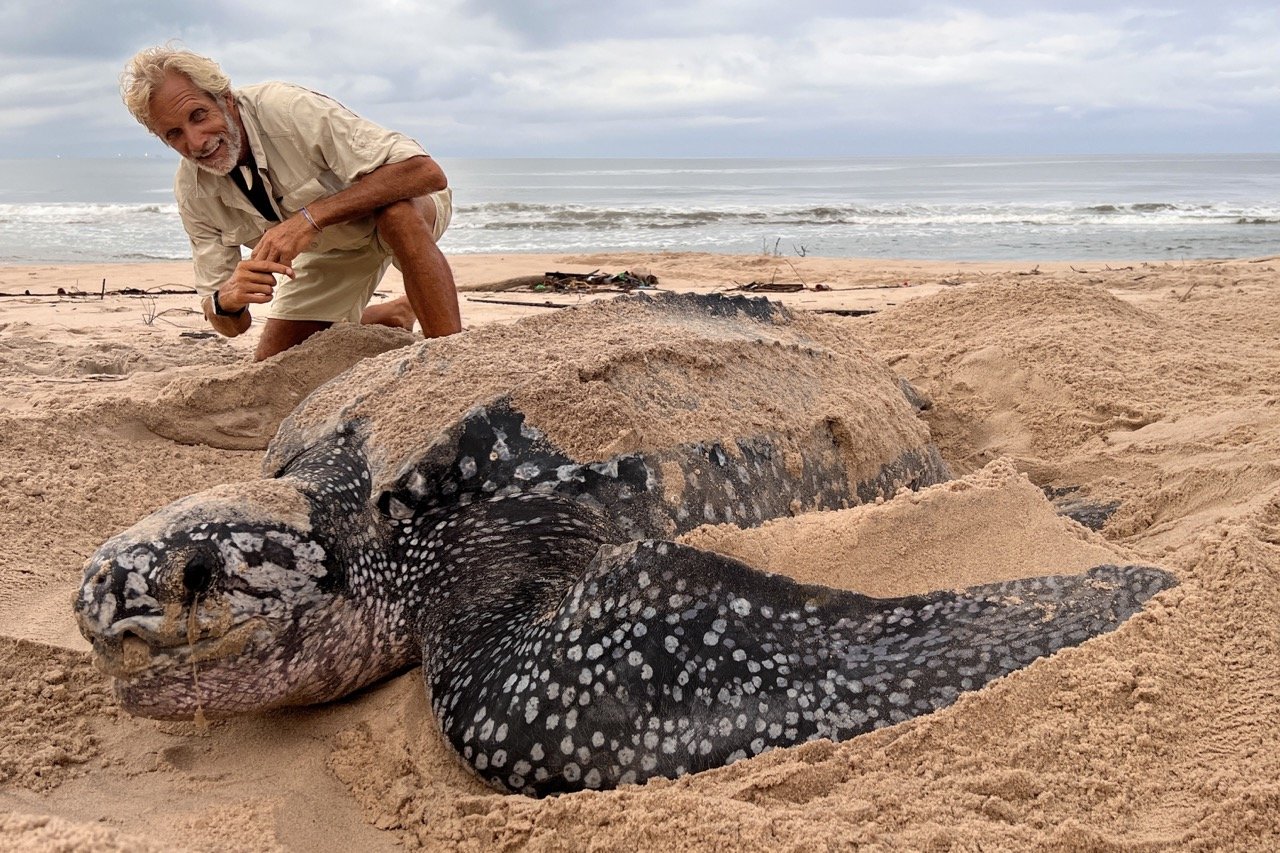
Home to one of the world's longest-running sea turtle monitoring programmes, South Africa has seen generations of researchers studying loggerhead (Caretta caretta) and leatherback (Dermochelys coriacea) turtles nesting along the remote beaches of the Maputaland coast. Stretching over 200 km from the southern Mozambican border to the estuaries of St Lucia, this piece of coastline remains one of the least accessible regions of South Africa.
Since the 1960s, researchers have come here to identify individual females, record nesting activity and monitor hatchling success, forming long-term studies that have helped improve our understanding of sea turtle ecology and enabled researchers to track changes in population trends over decades.¹˒²
But, as with other monitoring programmes around the world, these studies have focused on nesting females. Coming ashore to lay their eggs, nesting females enable researchers to observe, measure and identify them with minimal disturbance.
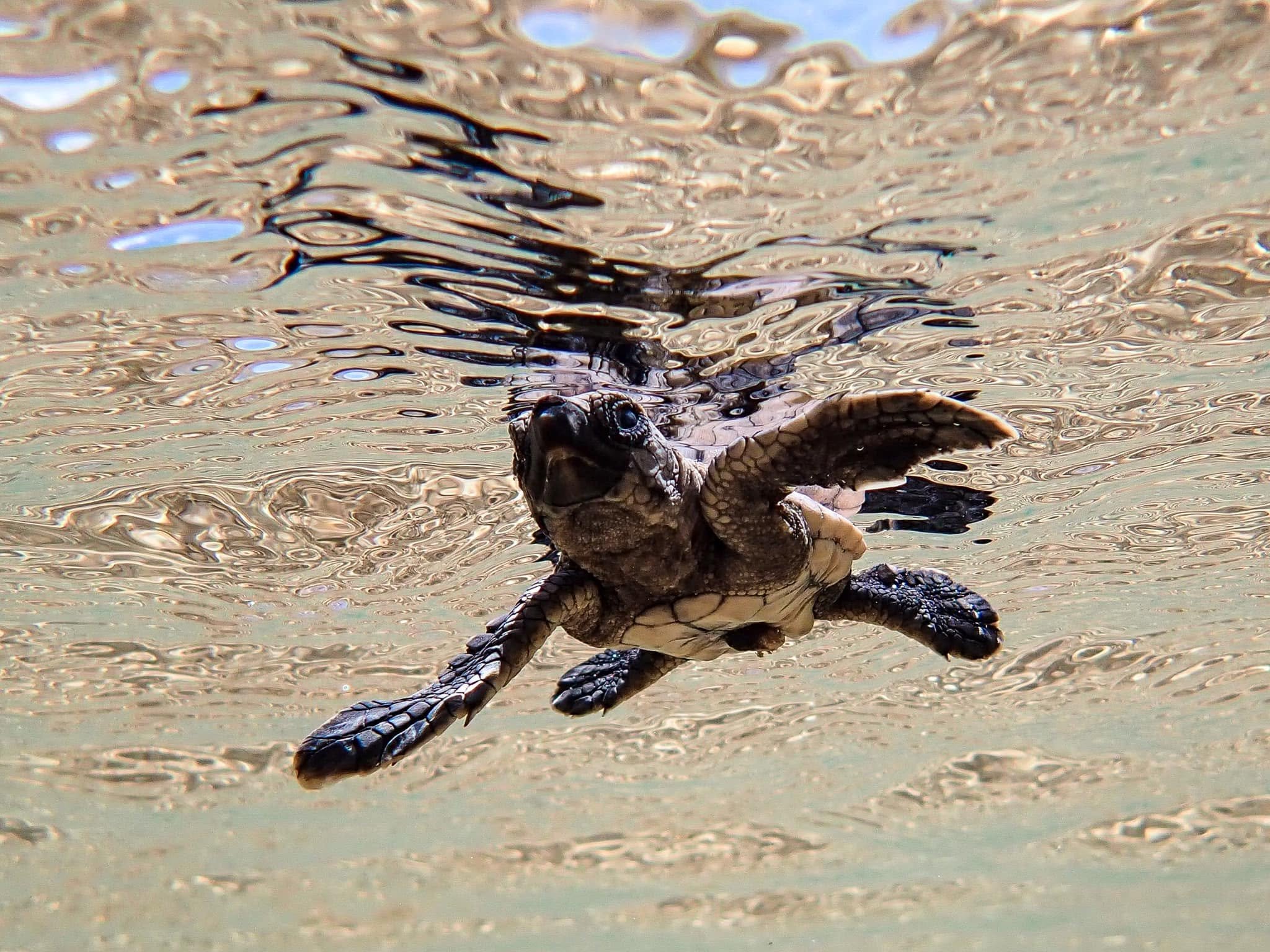
Males and juveniles, however, do not. After leaving the beach as hatchlings, turtles remain entirely at sea, rarely providing researchers with opportunities for direct observation. As a result, much of what we understand about sea turtle ecology has been inferred from females when they reach nesting age, or from juveniles encountered opportunistically. And so this is where things get interesting – we don't know exactly where they go, and we don't know what they do.³˒⁴
Understanding where turtles spend their time outside of the nesting season is a vital step towards effective sea turtle conservation planning and management. By identifying important feeding grounds, migration corridors, and residency areas, scientists and conservation managers can better understand how turtles interact with marine ecosystems, where they are most vulnerable to human impacts, and which habitats require the greatest protection.³˒⁴
Answering these questions requires a different approach. Rather than waiting for turtles to come ashore, researchers must study them where they spend almost their entire lives – beneath the surface.
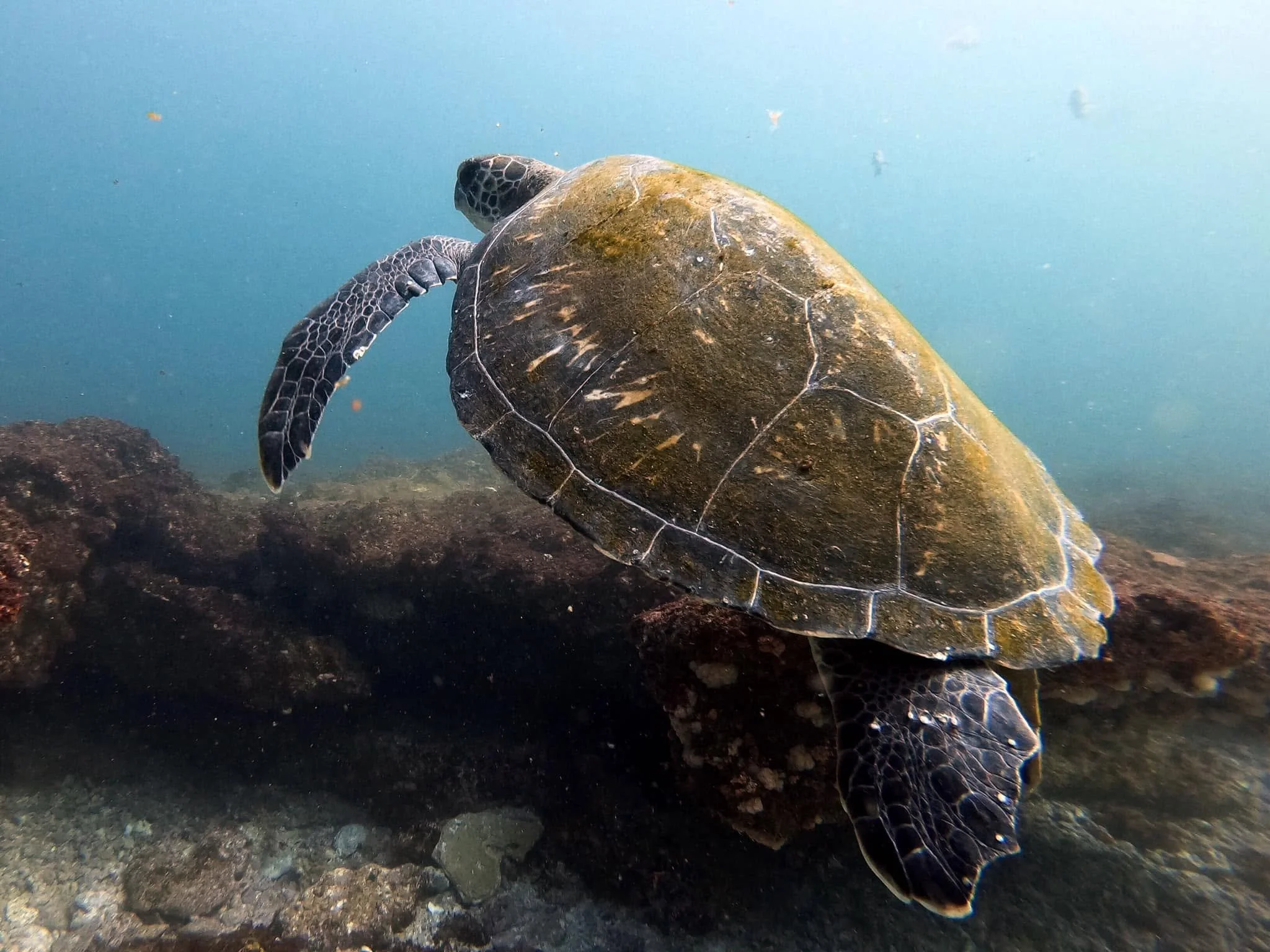
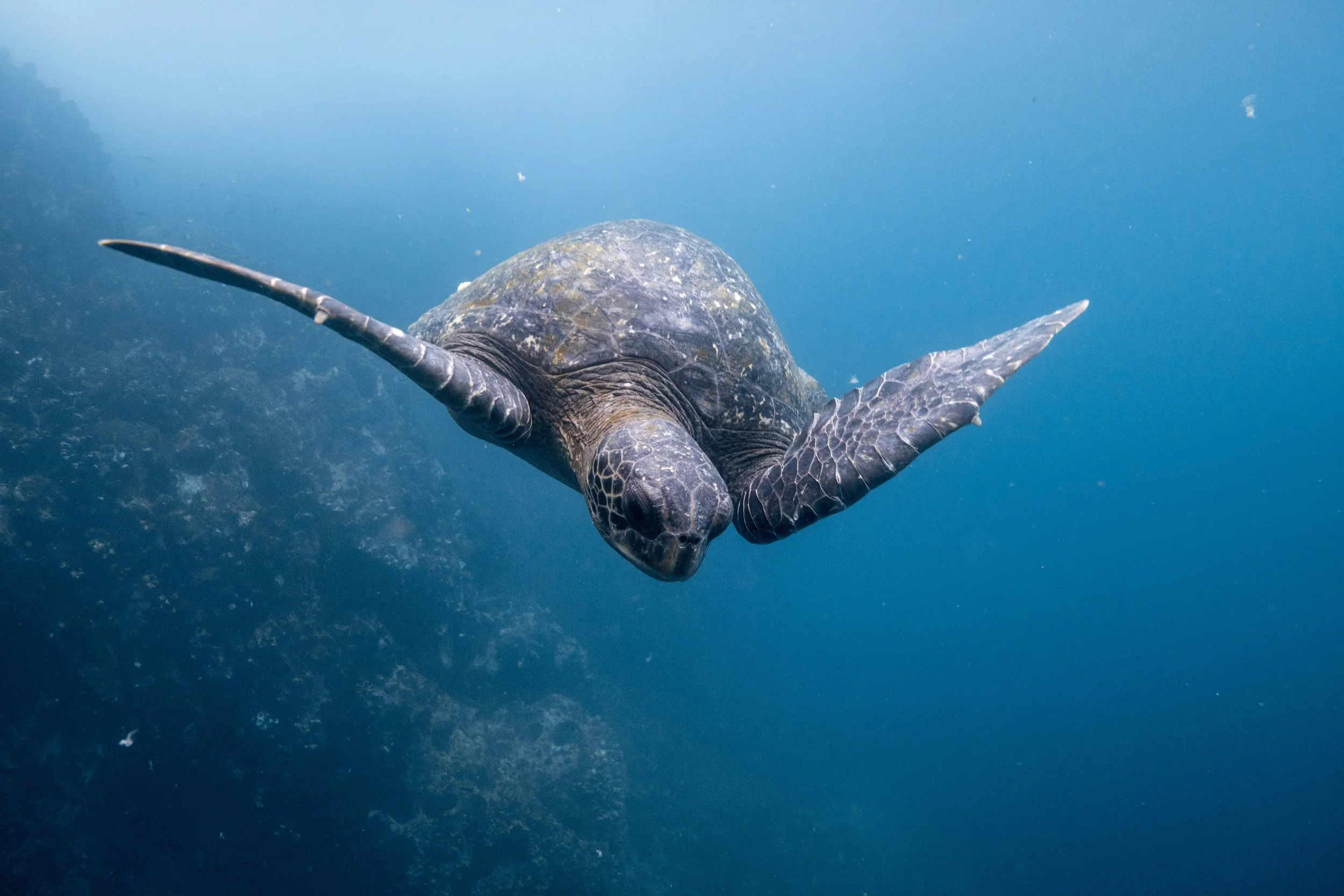
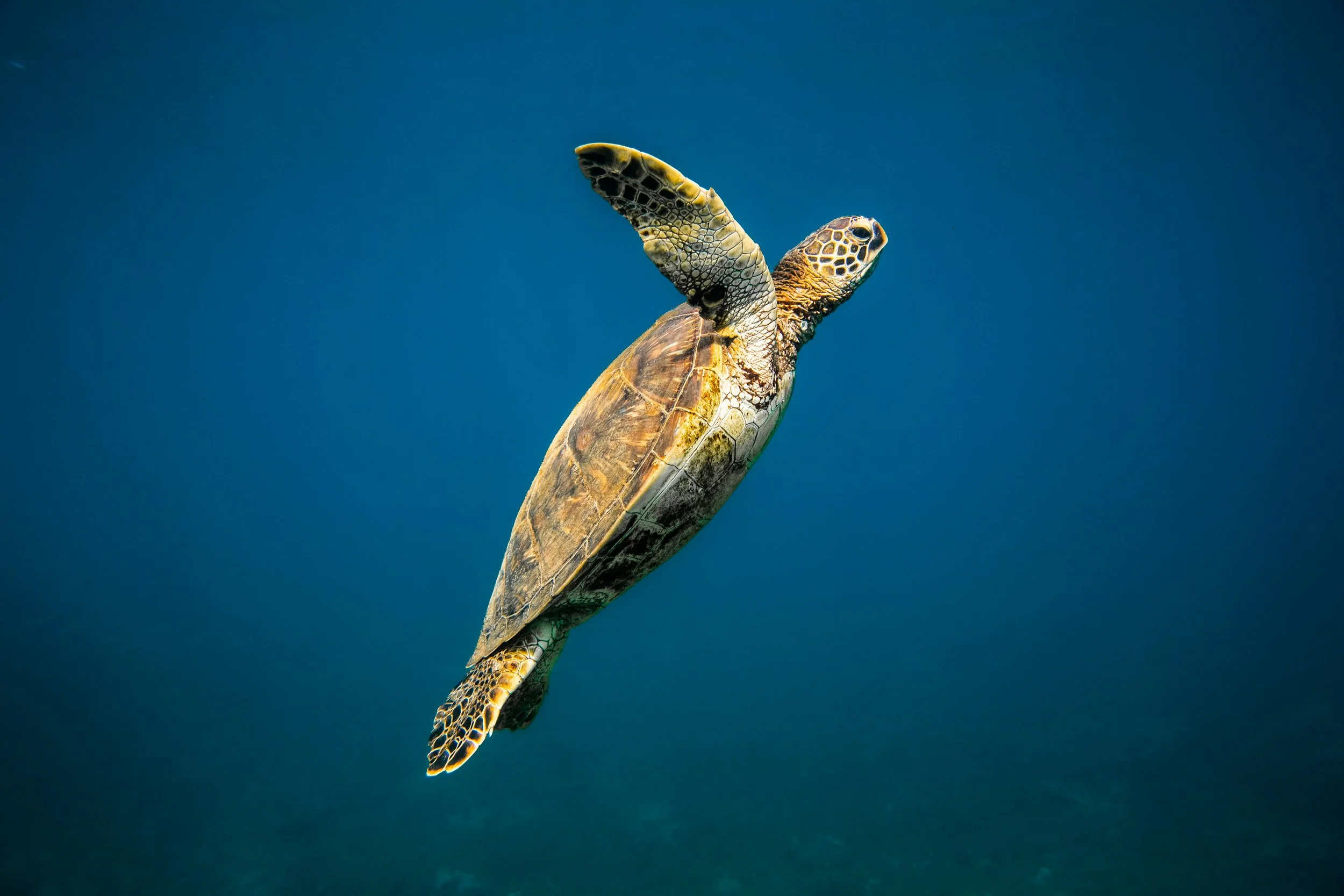
Green turtle (Chelonia mydas). Image: Natalie Dos Santos
Taking Sea Turtle Research Beneath the Surface
This is the focus of the work being undertaken by marine scientist and PhD researcher Natalie Dos Santos.
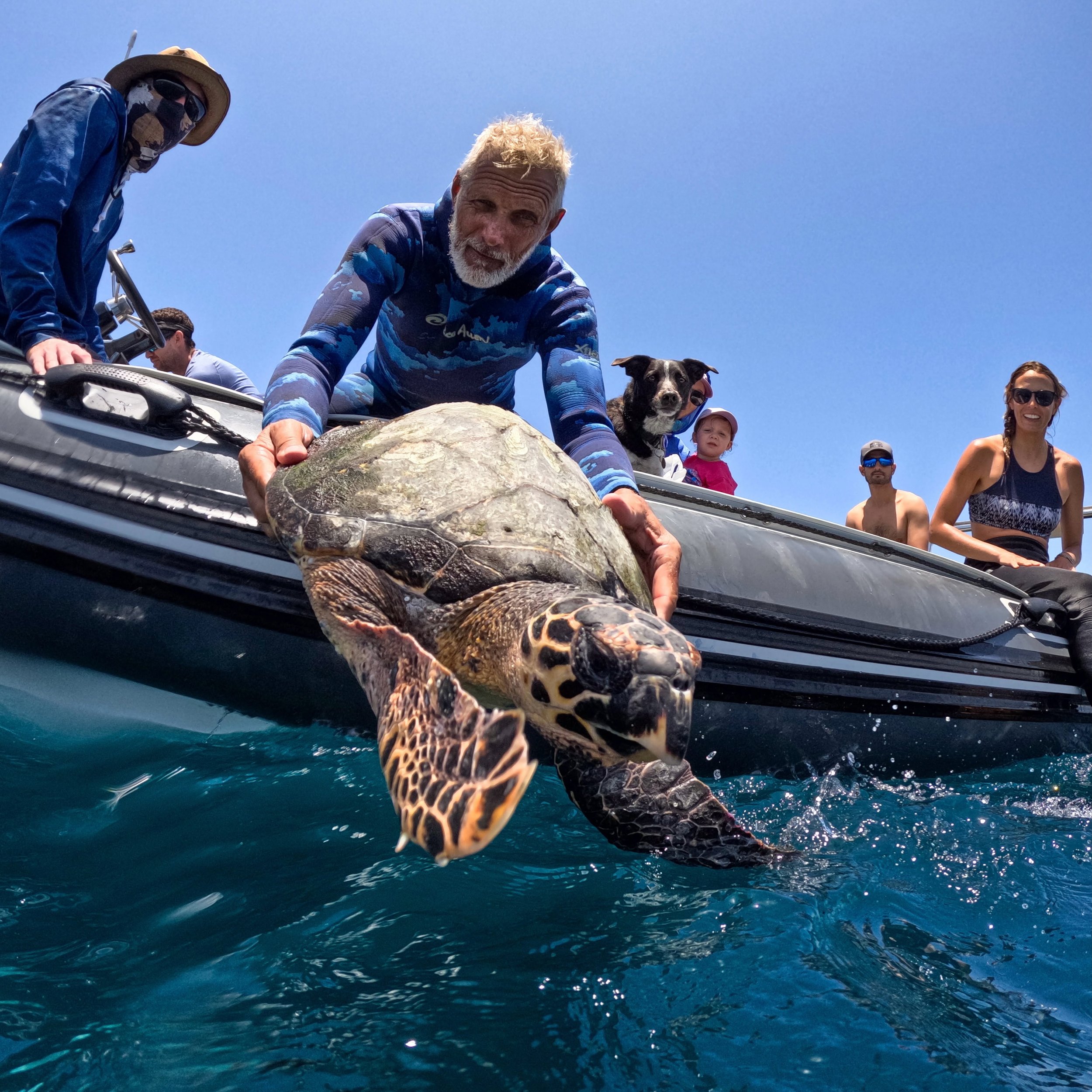
Operating primarily along the reefs of the iSimangaliso Wetland Park and Aliwal Shoal Marine Protected Area, Natalie and her team spend numerous hours in the water searching for turtles. Using freediving and SCUBA, they survey reef habitats where green (Chelonia mydas) and hawksbill (Eretmochelys imbricata) turtles are known to forage.
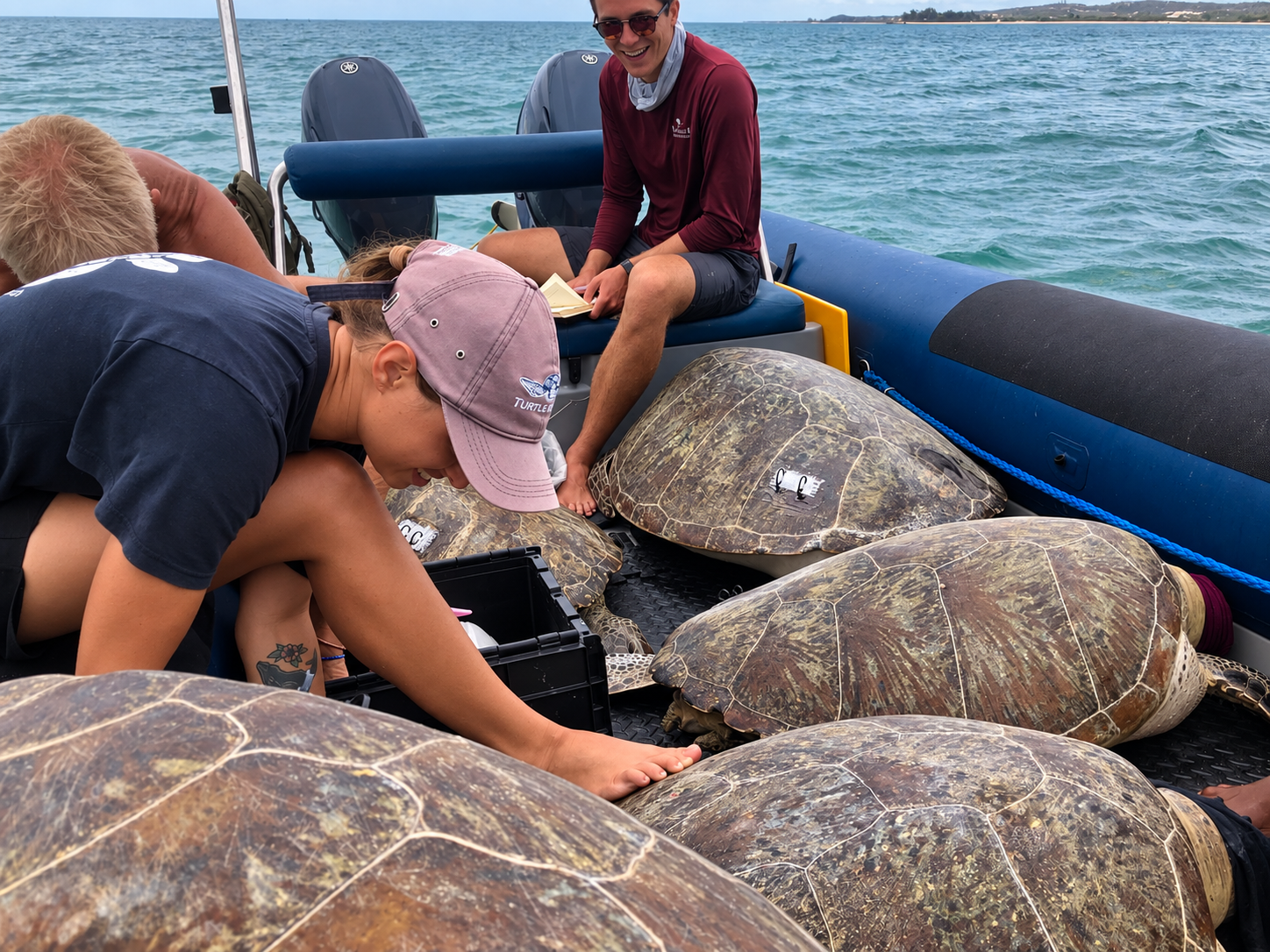
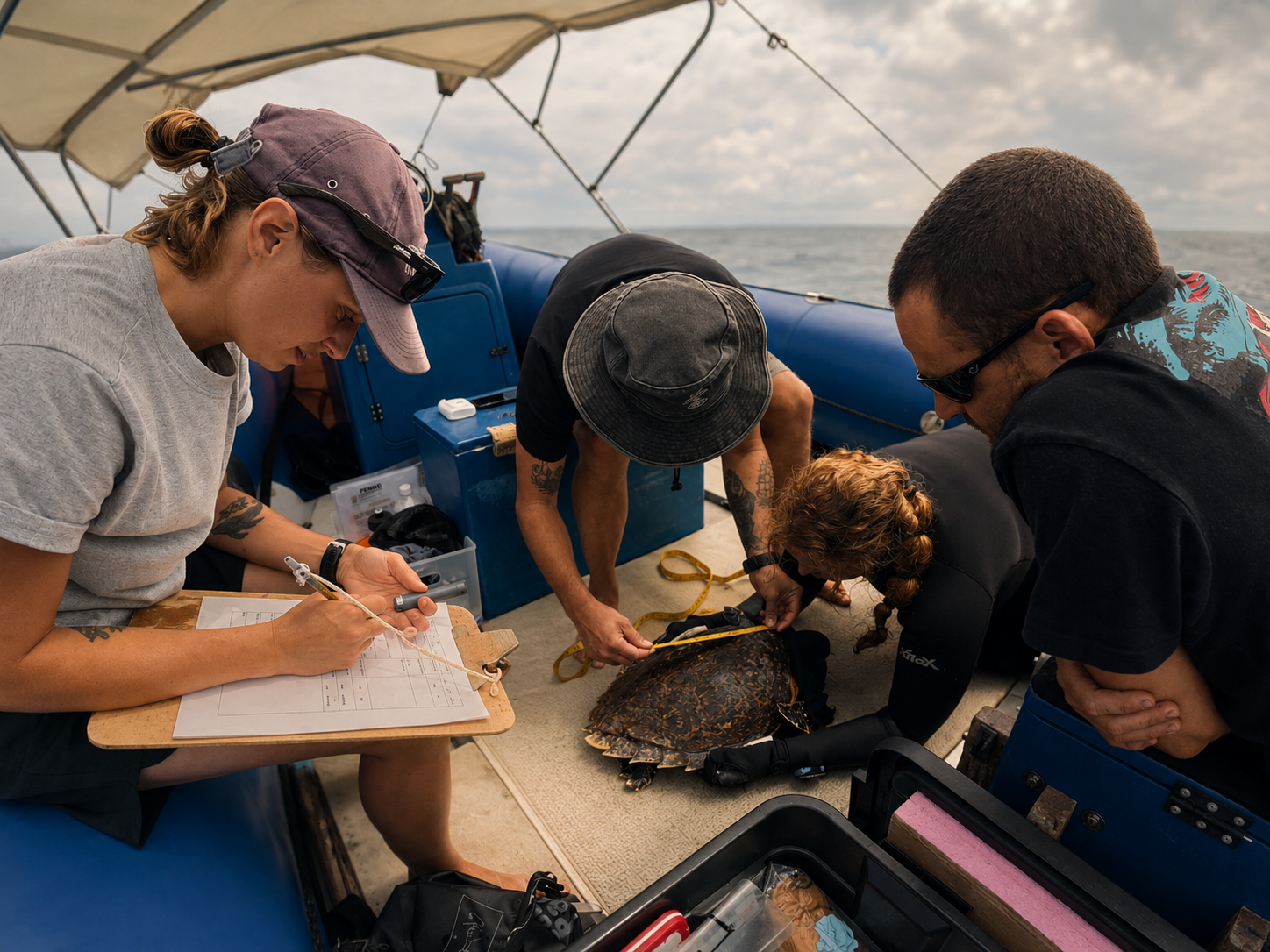
After locating an individual, they safely capture and bring it aboard the research vessel. Following ethical protocols, the team perform a standardised health and biological assessment of the turtle. Here, researchers identify the species, determine the sex where possible, record the curved length and width of its shell (known as the carapace), and photograph unique facial scale patterns that help them to identify each individual. Researchers may also collect small tissue samples to help understand population genetics.
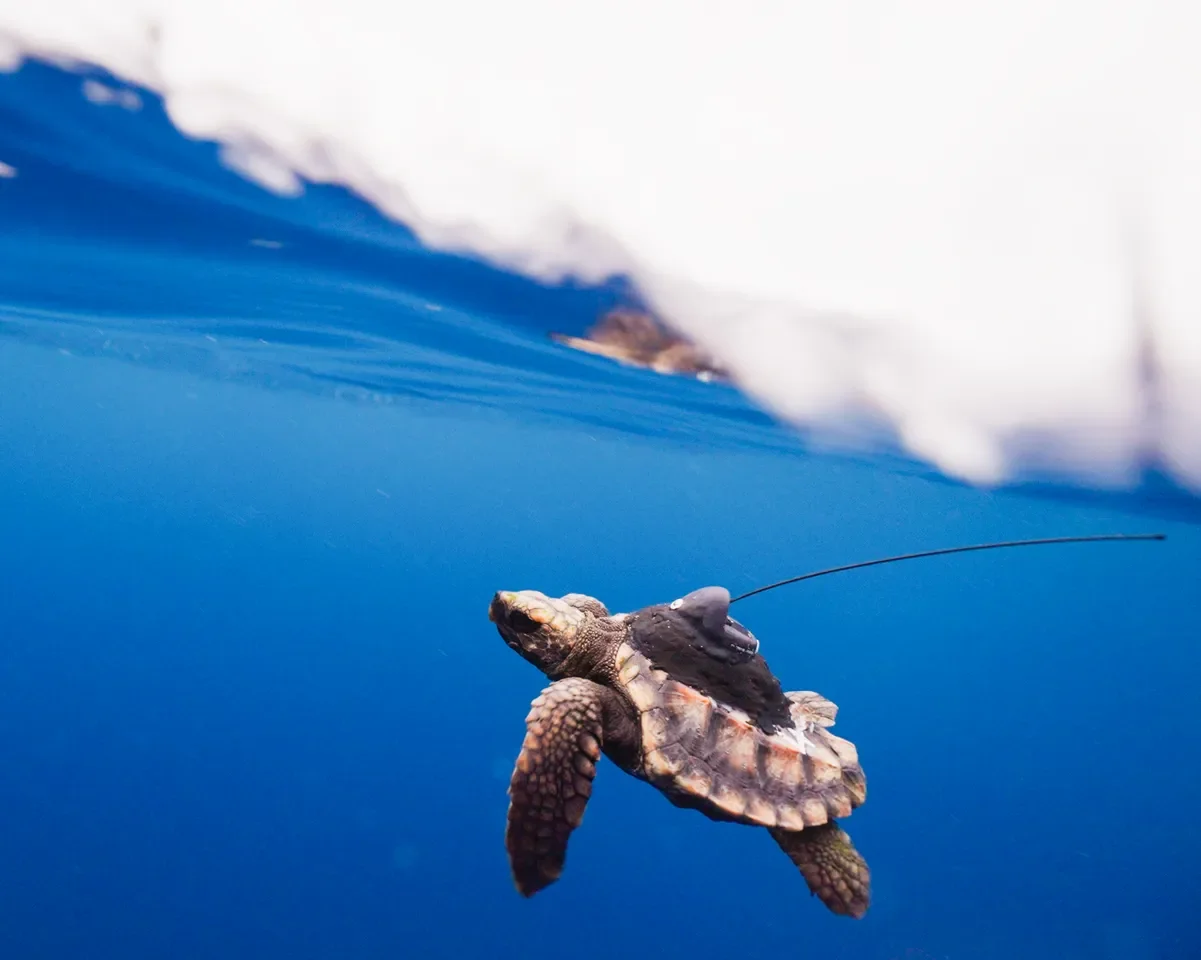
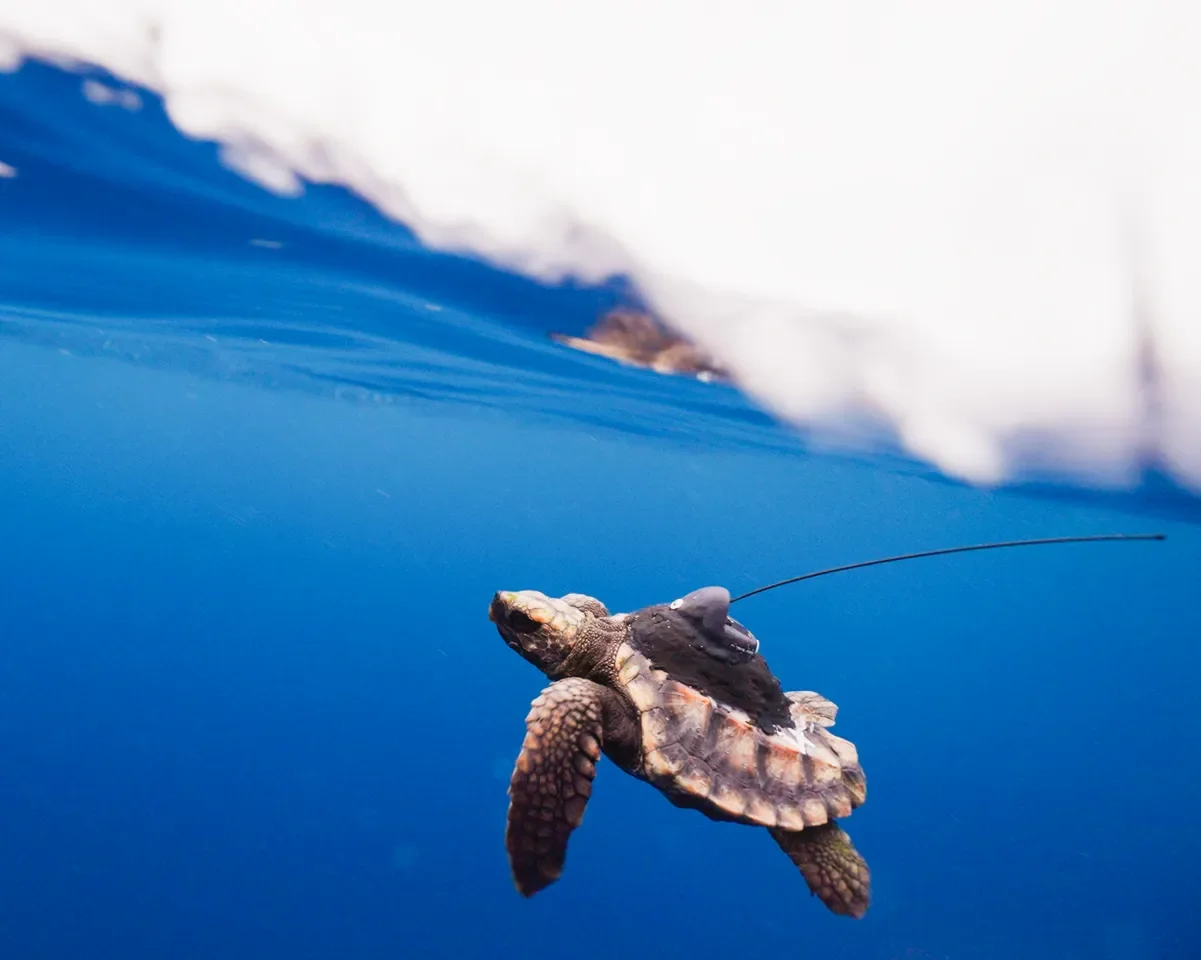
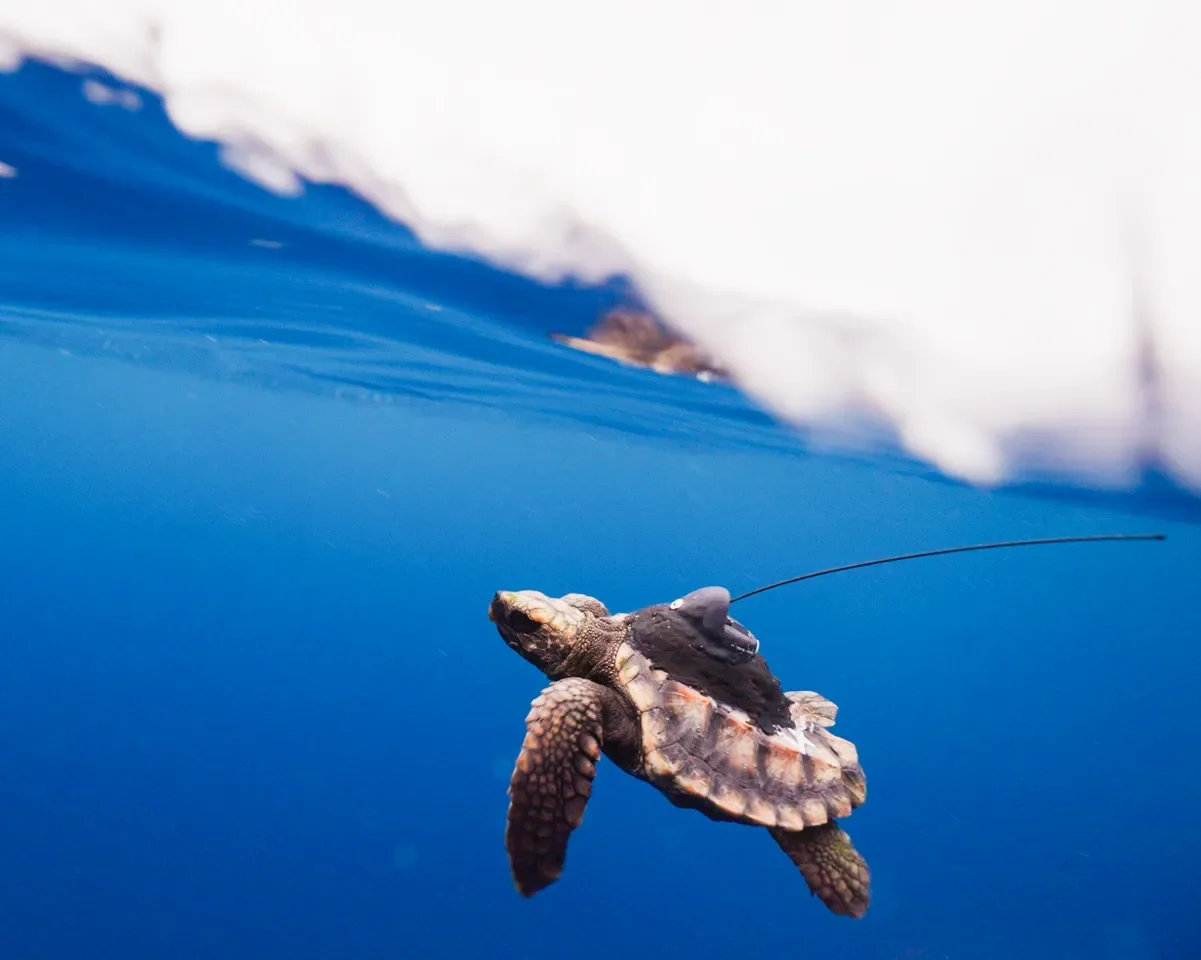
Finally, a specialised acoustic tag is carefully fitted to the carapace. This small transmitter emits a high-frequency signal, with a unique code for each turtle. These tags work in combination with receivers – an array of underwater listening devices deployed along South Africa's coastline, designed to record the pings of tagged marine animals that come within a designated distance.
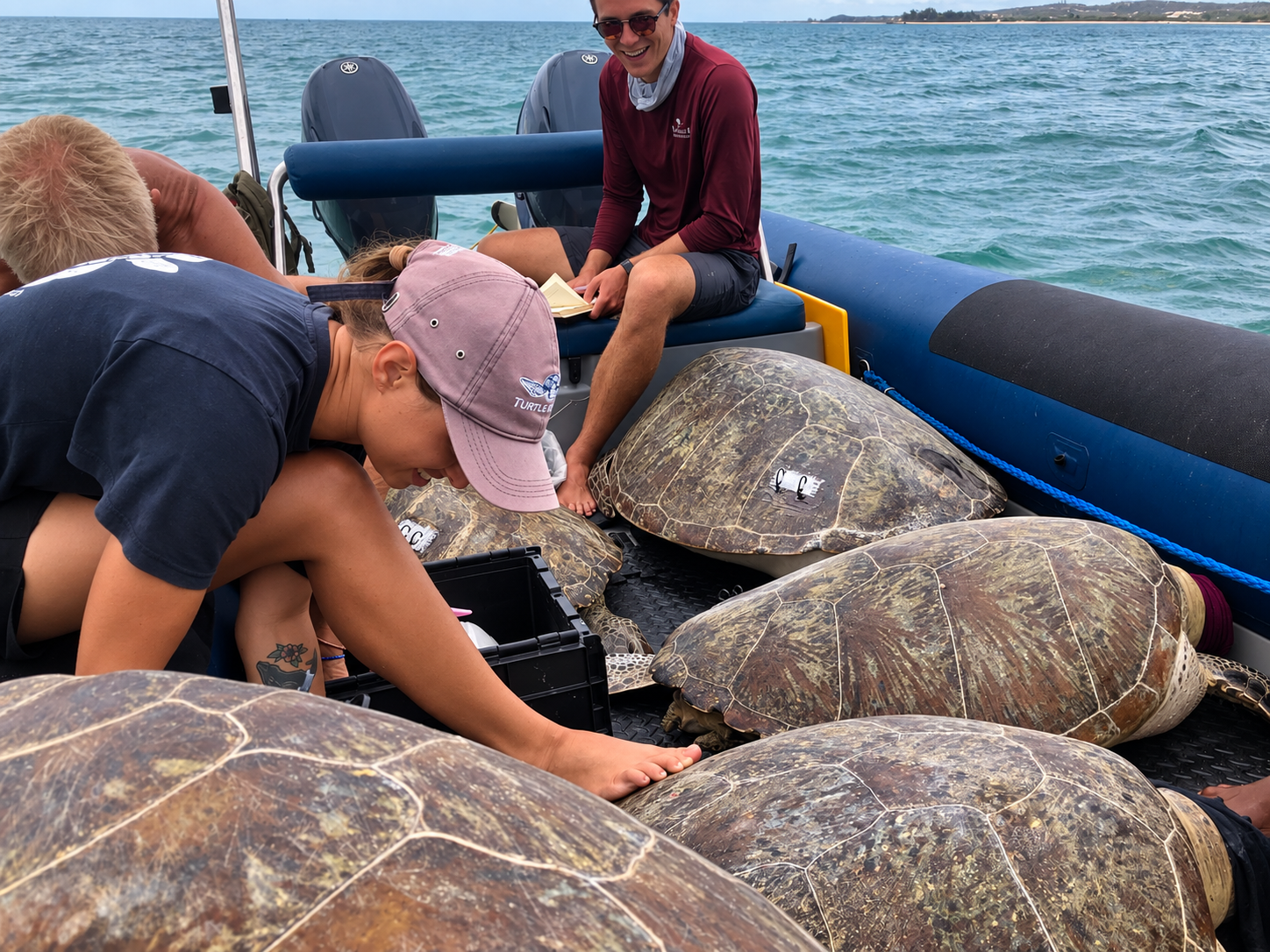
Marine scientist and PhD researcher Natalie dos Santos preparing to fit hawksbill turtle acoustic tags.
How Acoustic Turtle Tagging Helps Piece Together the Picture
Combined with field observations, these data from the tagged turtles help Natalie build a picture of how they move along South Africa's east coast.
Do turtles repeatedly return to the same reefs? Do males, females, and juveniles use habitats differently? Which areas support long-term residency, and which function as migratory corridors? How do turtles respond to seasonal environmental change?⁵
Natalie and her team are asking these questions not only to improve our knowledge and understanding of turtle ecology – but to ultimately inform long-term conservation planning for these endangered species.
Because Marine Protected Areas can only be effective if they include the habitats turtles actually use, Natalie’s data will provide the evidence to inform management decisions, helping ensure that conservation measures are based on observed ecological patterns rather than assumptions.³
Extending Natalie’s Sea Turtle Research
As pressures on the western Indian Ocean continue to increase through climate change, habitat degradation, and expanding coastal development, understanding how turtles use these environments is more important now than ever.³˒⁴
Since its inception, Honey Guide has operated from the core belief that meaningful travel should actively aid conservation. By partnering with Natalie to support research already underway, we help extend her scope – meaning more hours at sea, more tags on turtles, and ultimately, more questions answered.
It is part of our wider approach to purpose-driven conservation travel in South Africa, where travel directly supports researchers, conservation teams and active field projects.
Join a Living Sea Turtle Research Project in South Africa
Most scientific fieldwork happens far from view – small teams in remote places, working to tight windows governed by the elements: weather, oceanic conditions, and the animals' behaviour. Public participation is, for the most part, non-existent.
With Honey Guide’s Sea Turtle Research Expeditions, we created something that doesn't exist anywhere else along this coastline: a genuine meeting point between world-class research and luxury travel, with neither compromised for the other. This is Natalie’s actual fieldwork, and guests are there for all of it.
The trip runs for nine nights along South Africa’s eastern coastline, in two parts.
The first five nights are spent on the South Coast of KwaZulu-Natal, where guests join Natalie and her team out in the field – including two full day sessions aboard the research vessel working the reefs of Aliwal Shoal Marine Protected Area, a stretch of coastline so teeming with life it’s considered among the greatest dive sites in the world – and precisely the kind of habitat this research exists to protect.
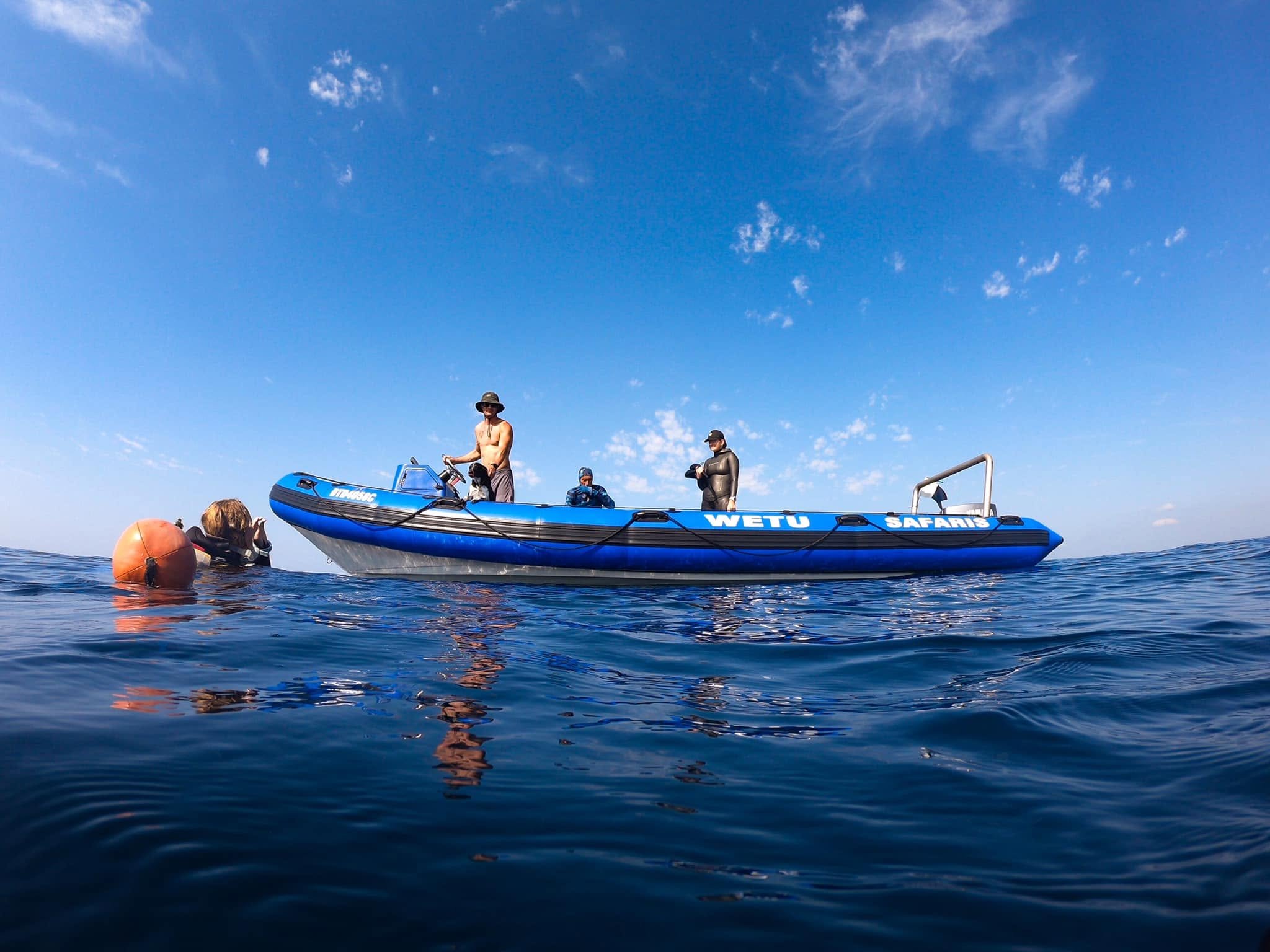
Fieldwork will begin with an early morning surf launch, where we will head out from the beach on two research vessels – Natalie and her crew on one, and us on the other, joined by Andy Coetzee, one of the pioneering figures in South African turtle conservation and among the few people who know this exact stretch of coastline as well as the turtles that come to nest on it.
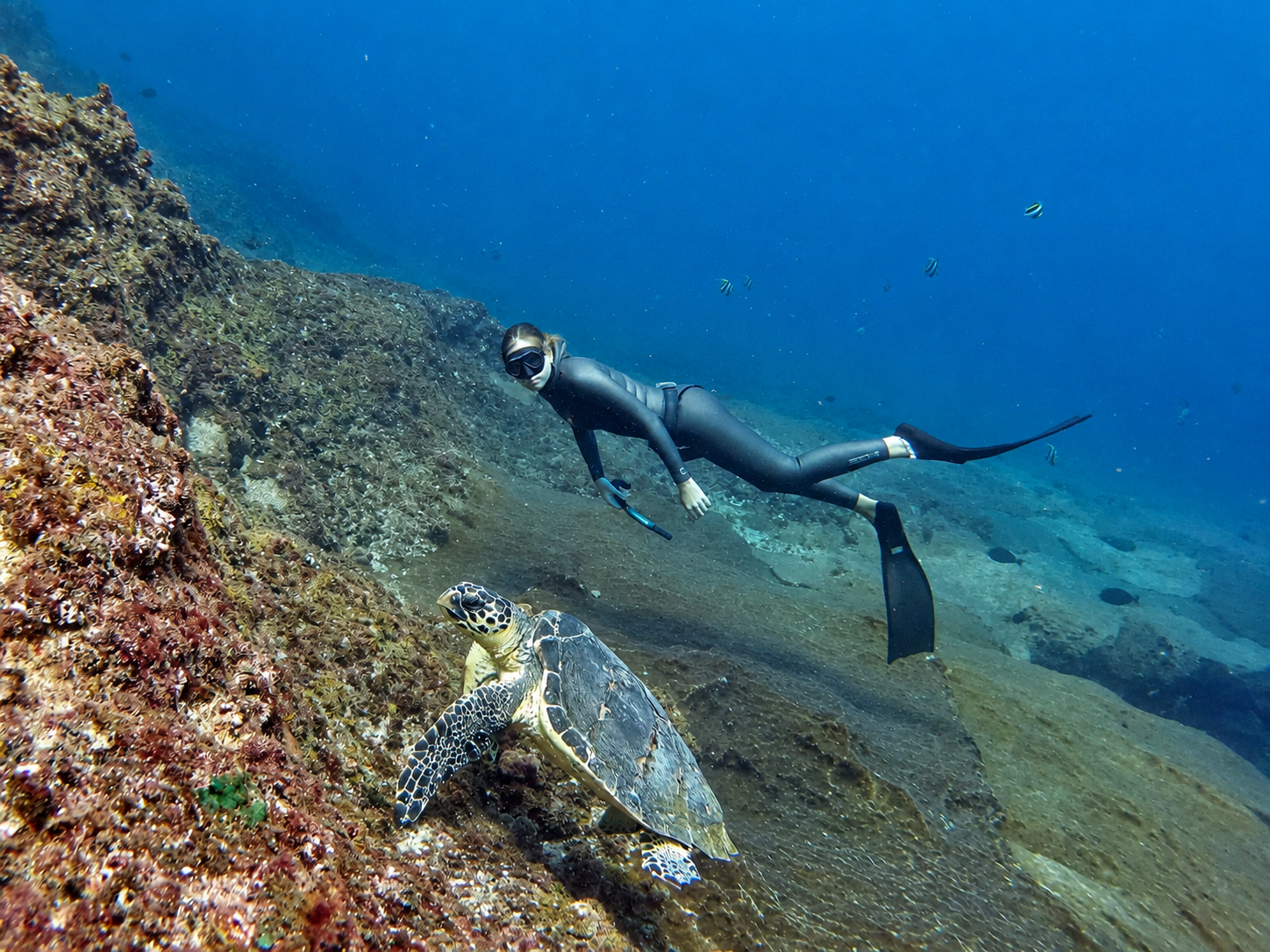
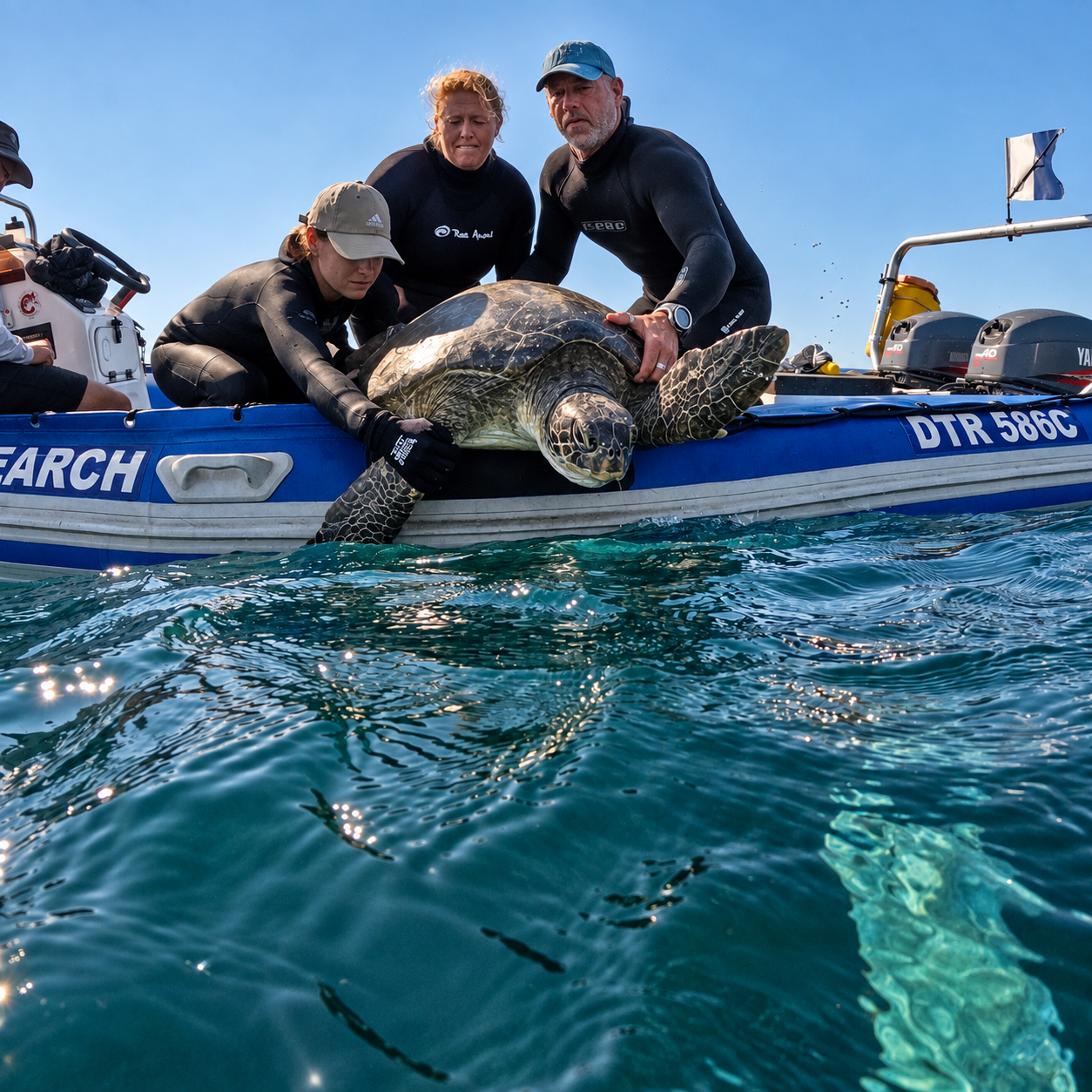
Together, we will help locate the turtles; those with freediving experience may be asked to join the dive team in the water, searching the reef alongside them. The moment a turtle is spotted, the action begins.
Once it’s safely captured and lifted onboard, the boats will be tied together to allow us to observe each stage of the data collection process up close, including the full biological assessment and the tagging itself, exactly as Natalie's team runs it on any given day. There is no script here, only conservation exactly as it happens: unpredictable, exciting, and always purposeful.
Beyond the fieldwork, days will be spent soaking up more of what the South Coast has to offer. Guided by a regional marine specialist, guests will be led on an intertidal walk, meandering through the rock pools and reef flats of the east coast, uncovering a diversity as rich above the waterline as below it.
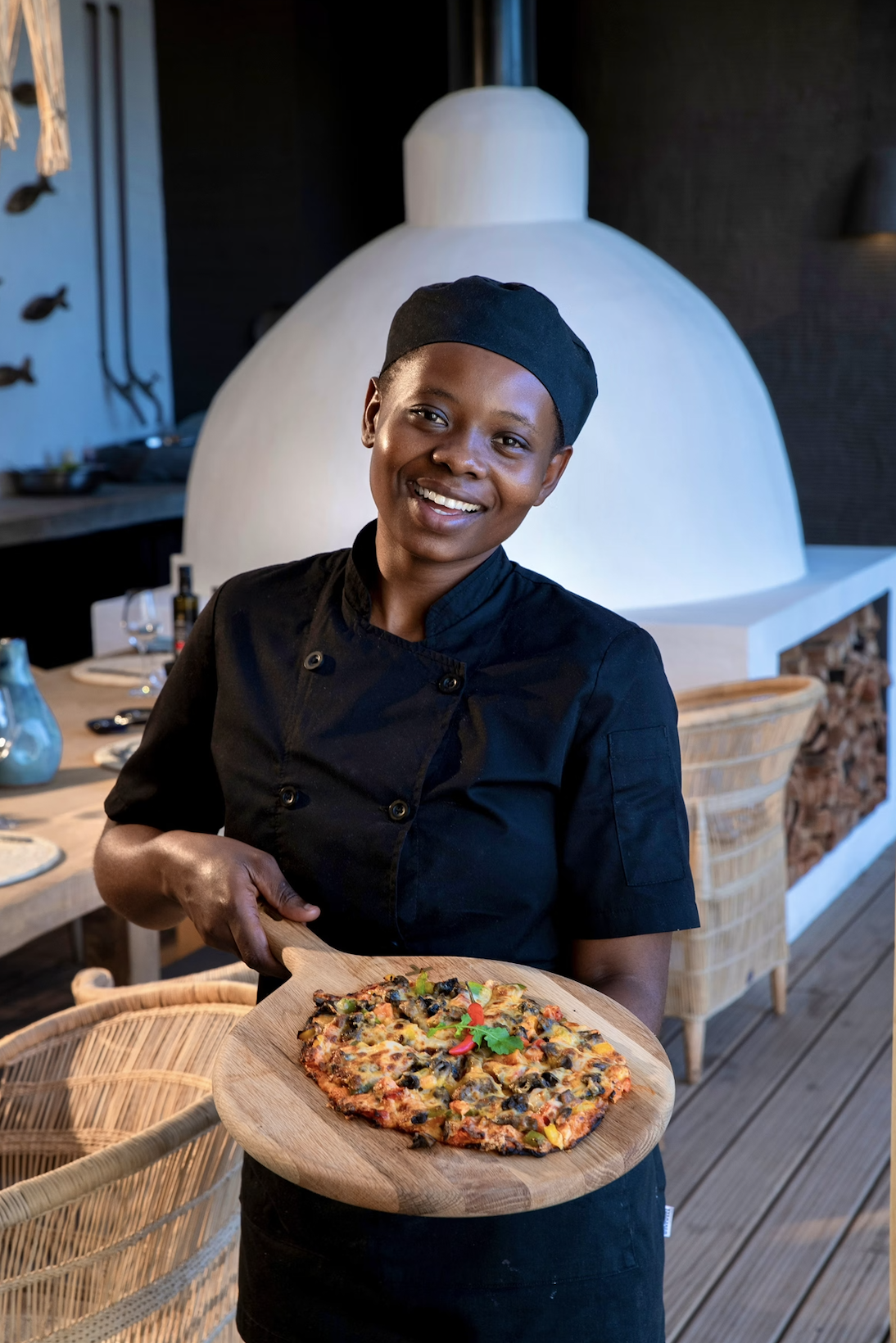
Then, we’ll head inland, for a unique South African cultural experience, witnessing heritage first hand and hearing stories from people who've called this coastline home far longer than research programmes have existed. Evenings bring the region's culinary delights into the trip, with private chef Themba Mngoma taking care of meals, prepared as they've been made here for generations.
With chapter two of the journey, we leave the South Coast behind, and the experience adopts a new rhythm depending on which season you join us.
For the remaining four nights, we’ll move to one of two exceptional locations, each offering an entirely unique opportunity to experience this magnificent coastline.
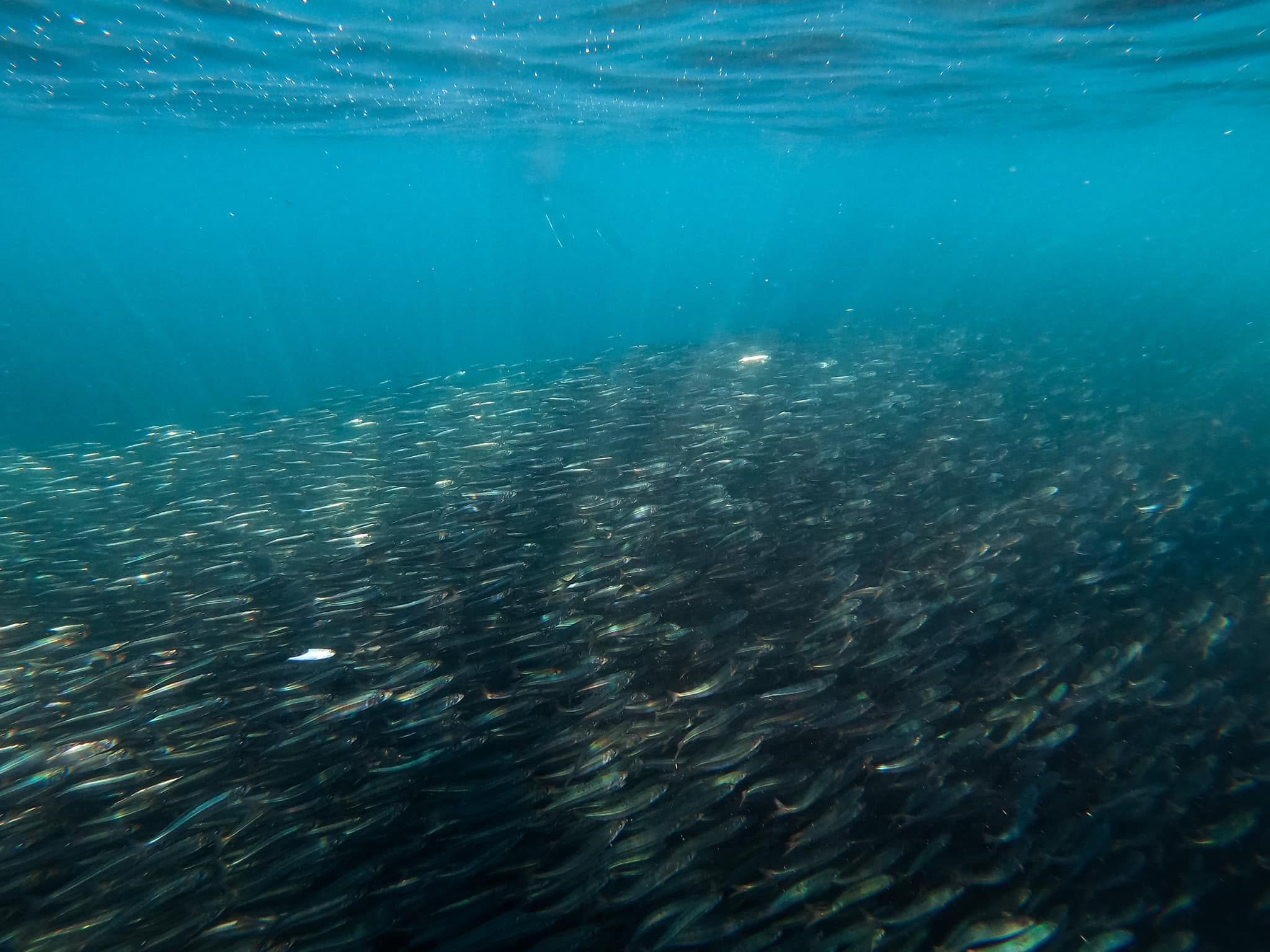
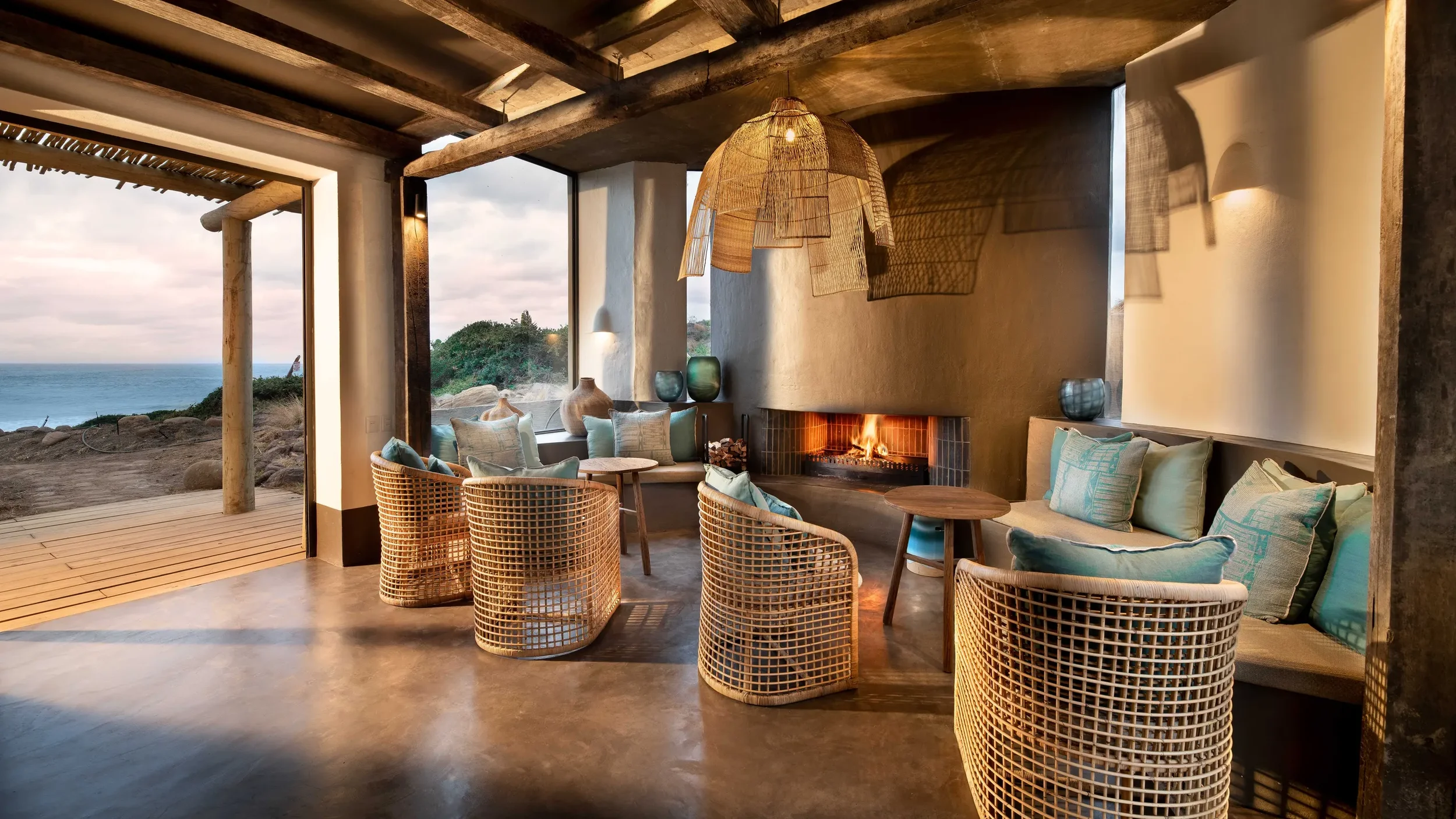
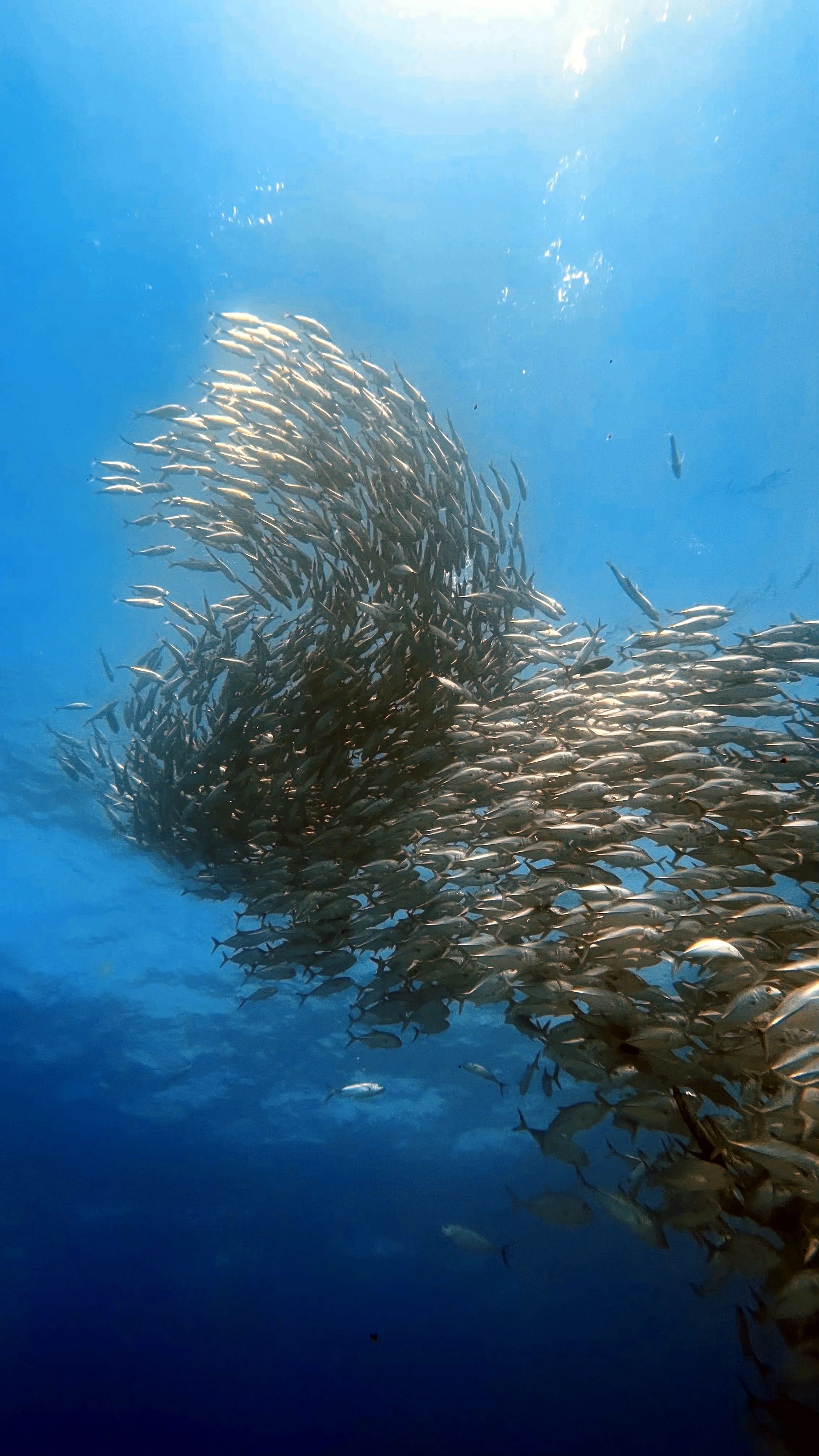
Winter: GweGwe Beach Lodge and the Sardine Run
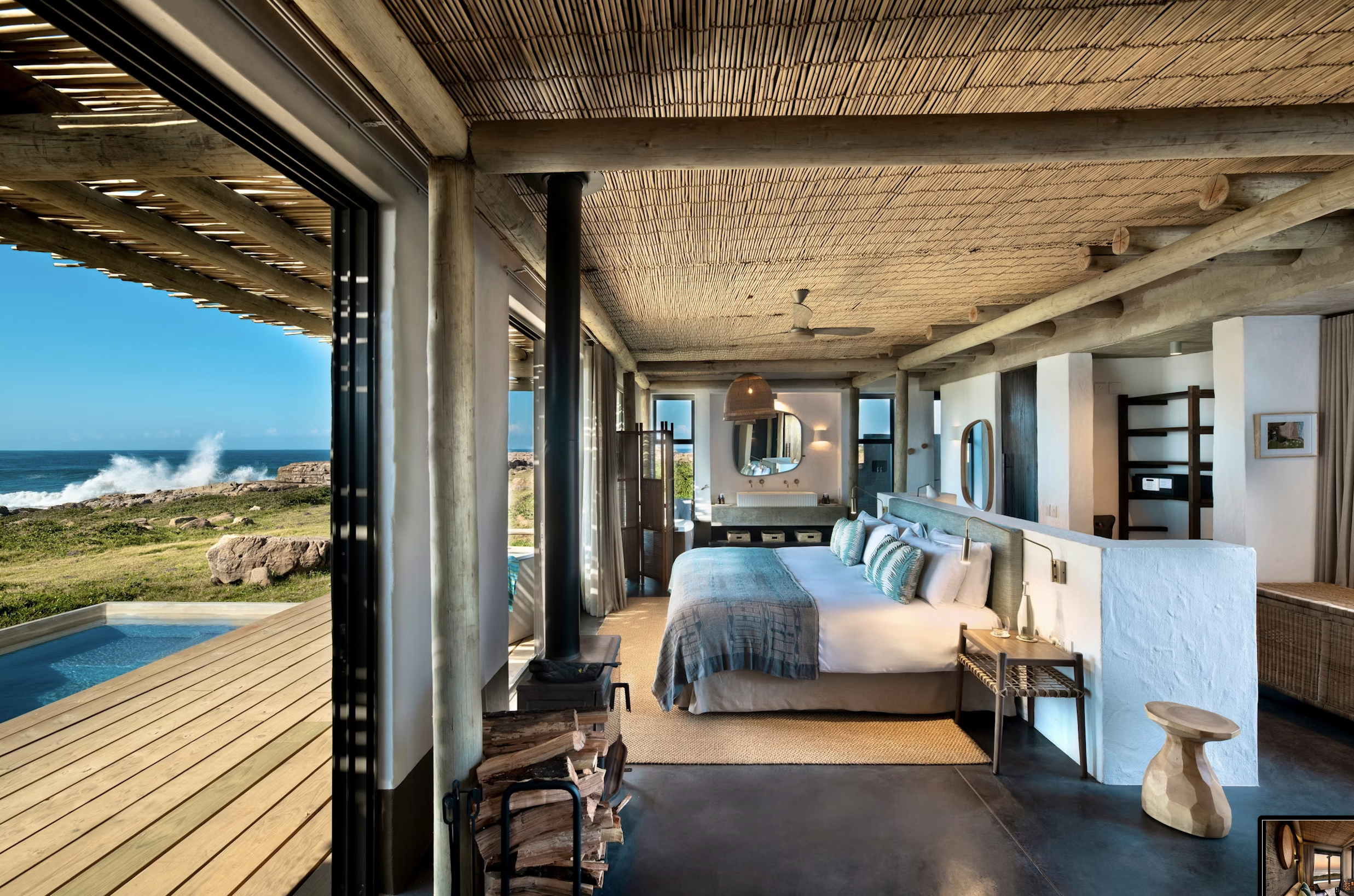
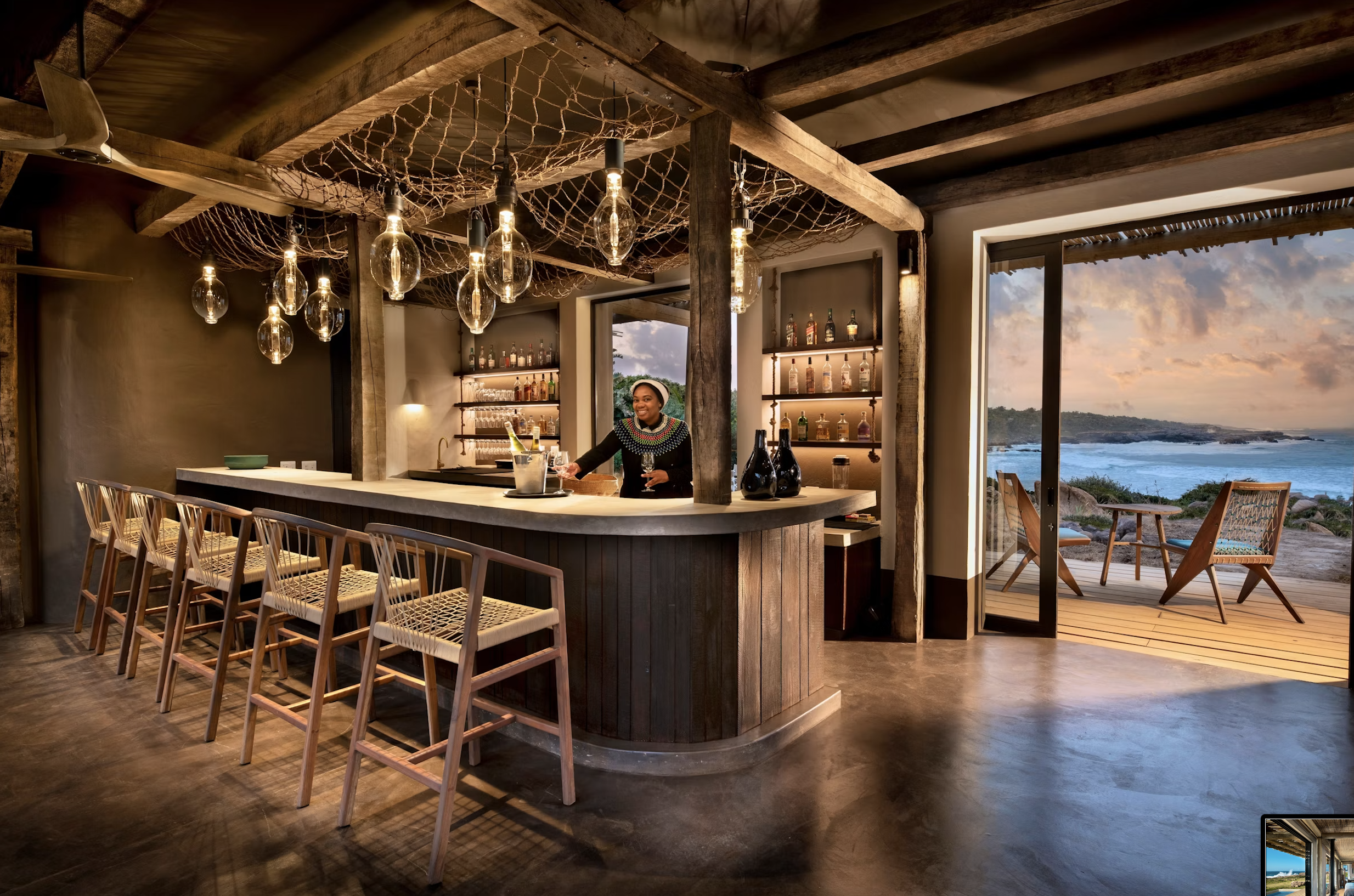
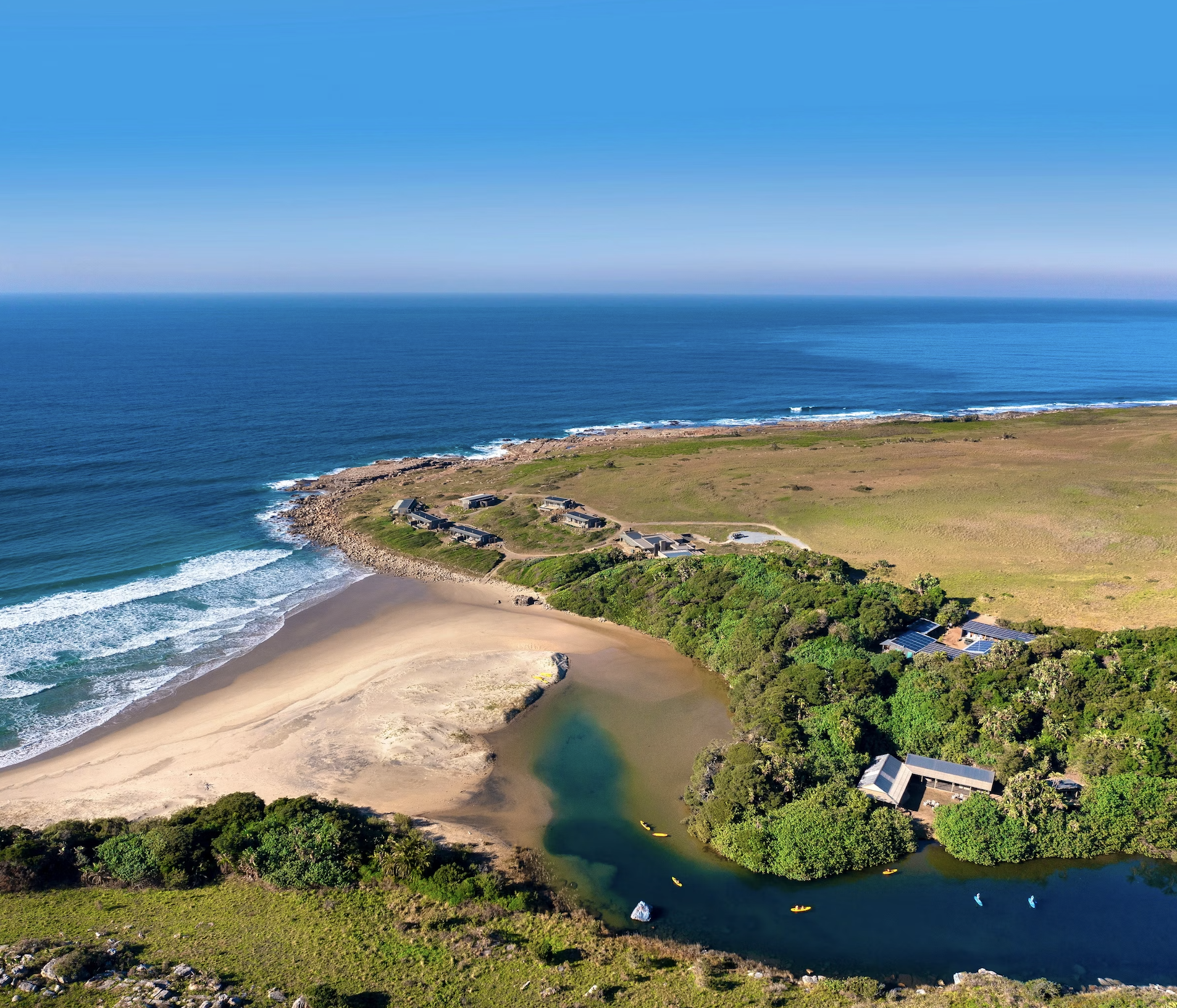
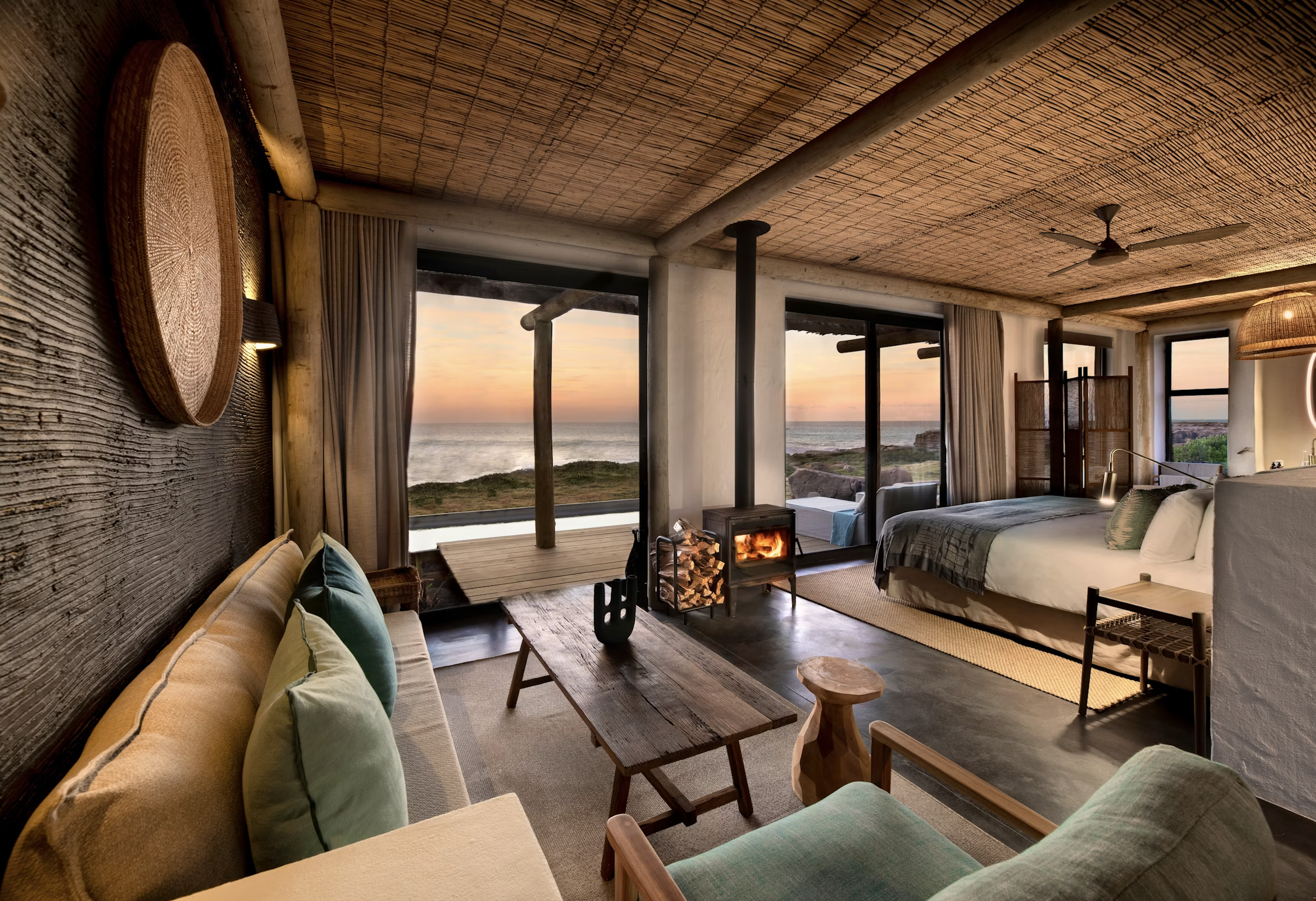
In winter, guests will be welcomed at GweGwe Beach Lodge, set inside the Mkambati Nature Reserve, where private trails wind through untouched grassland to the cliffs above the Wild Coast.
This stretch of coastline has its own history worth knowing; the land was once one of South Africa's apartheid-era homelands, granted nominal independence that no other country recognized. Today, ownership sits within a tribal trust, with tourism revenue and jobs flowing directly back to the people who call this coastline home. Staying at GweGwe is, in a small way, part of that story continuing.
From here, guests will have the opportunity to embark on the oceanic safari of a lifetime, spending two full day sessions at sea for the great African sardine run. One of the largest migrations on the planet, millions of sardines travel north along the eastern coastline, turning the water silver as bait balls form beneath diving gannets, pods of dolphins and hunting sharks and whales – often termed ‘the greatest shoal on earth’.
On the days in between, guests are free to immerse fully in all GweGwe has to offer: kayaking, fishing or nature walks to private waterfalls that flow straight into the sea, and tropical mangroves teeming with wildlife just beyond the door. For those wanting to adopt a slower pace – GweGwe’s Umoya canopy spa or hot tubs on the rocky shoreline await.
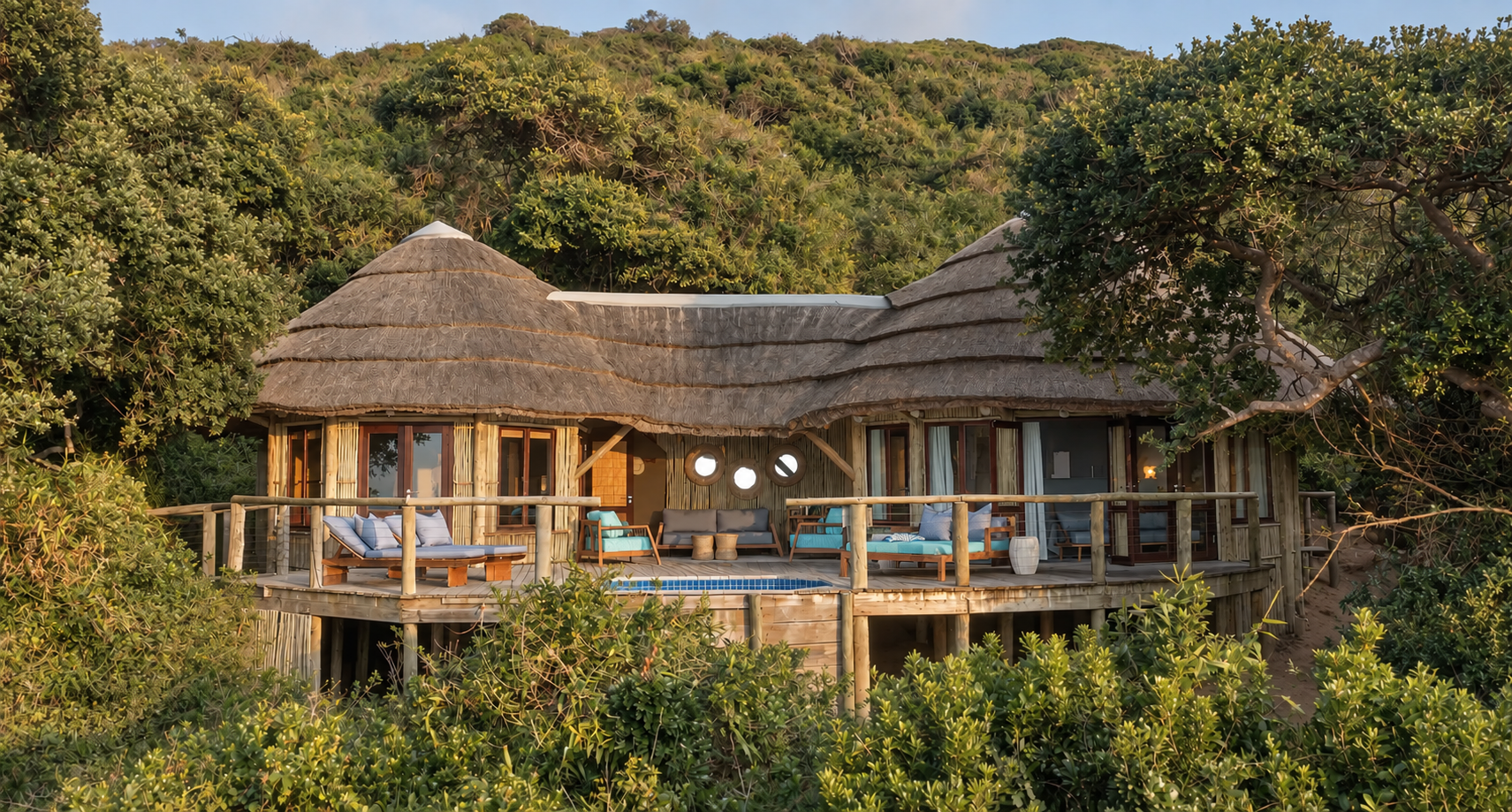


Summer: Thonga Beach Lodge and Nesting Sea Turtles
Guests choosing the summer season will finish their Honey Guide journey at Thonga Beach Lodge, tucked inside iSimangaliso Wetland Park – one of the great UNESCO World Heritage Sites on the continent.
Translated to ‘miracle and wonder’, iSimangaliso is considered one of the last pristine wilderness areas in South Africa. A trove of biological treasure, it spans eight interconnected ecosystems, from freshwater inland lakes to ancient swamp forests and the greatest estuarine system in Africa.
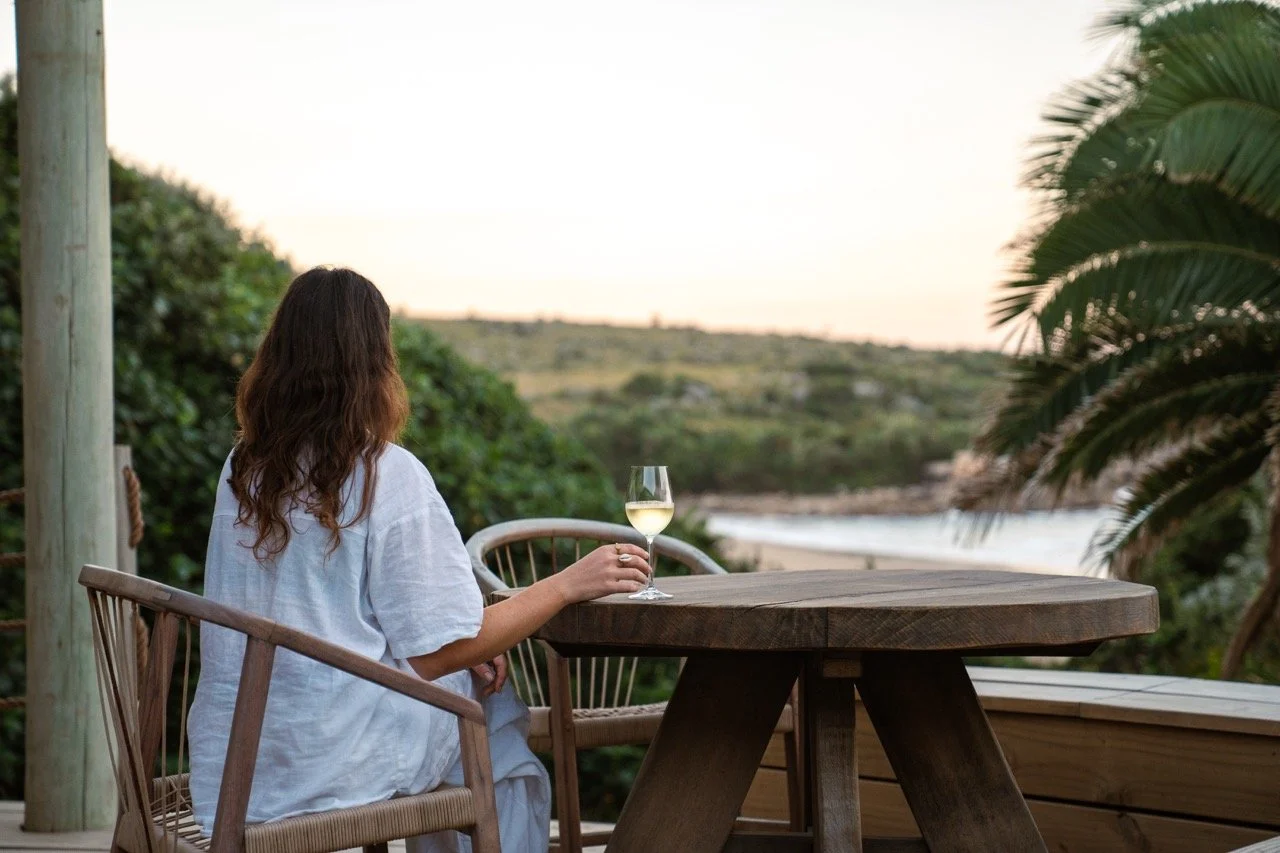
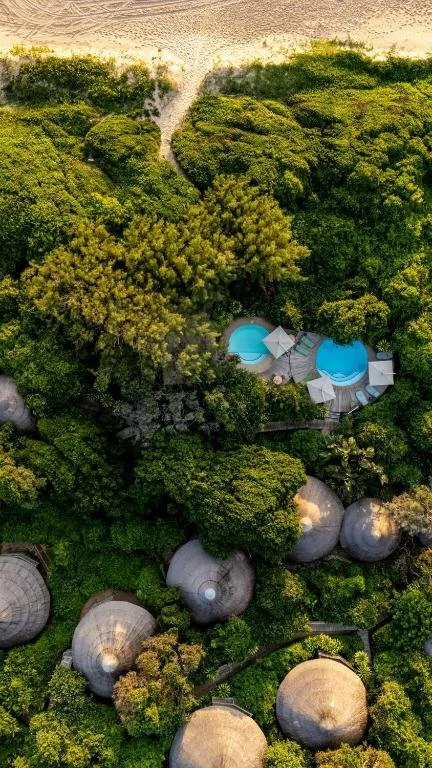
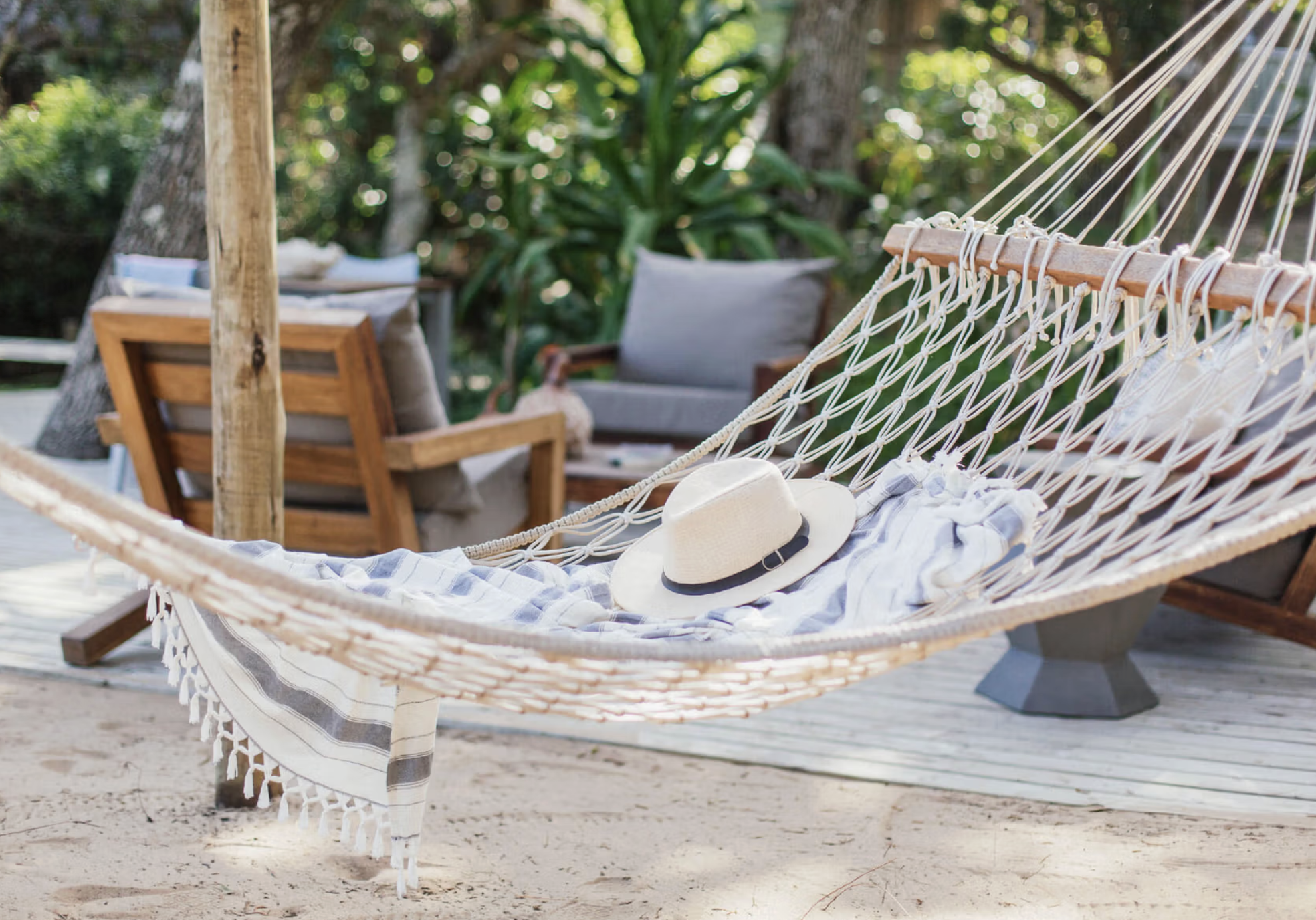
Here, Thonga’s natural suites are set in lush coastal dune forest just steps from the white sand, with private decks looking out over the tranquil, warm waters of the Indian Ocean.
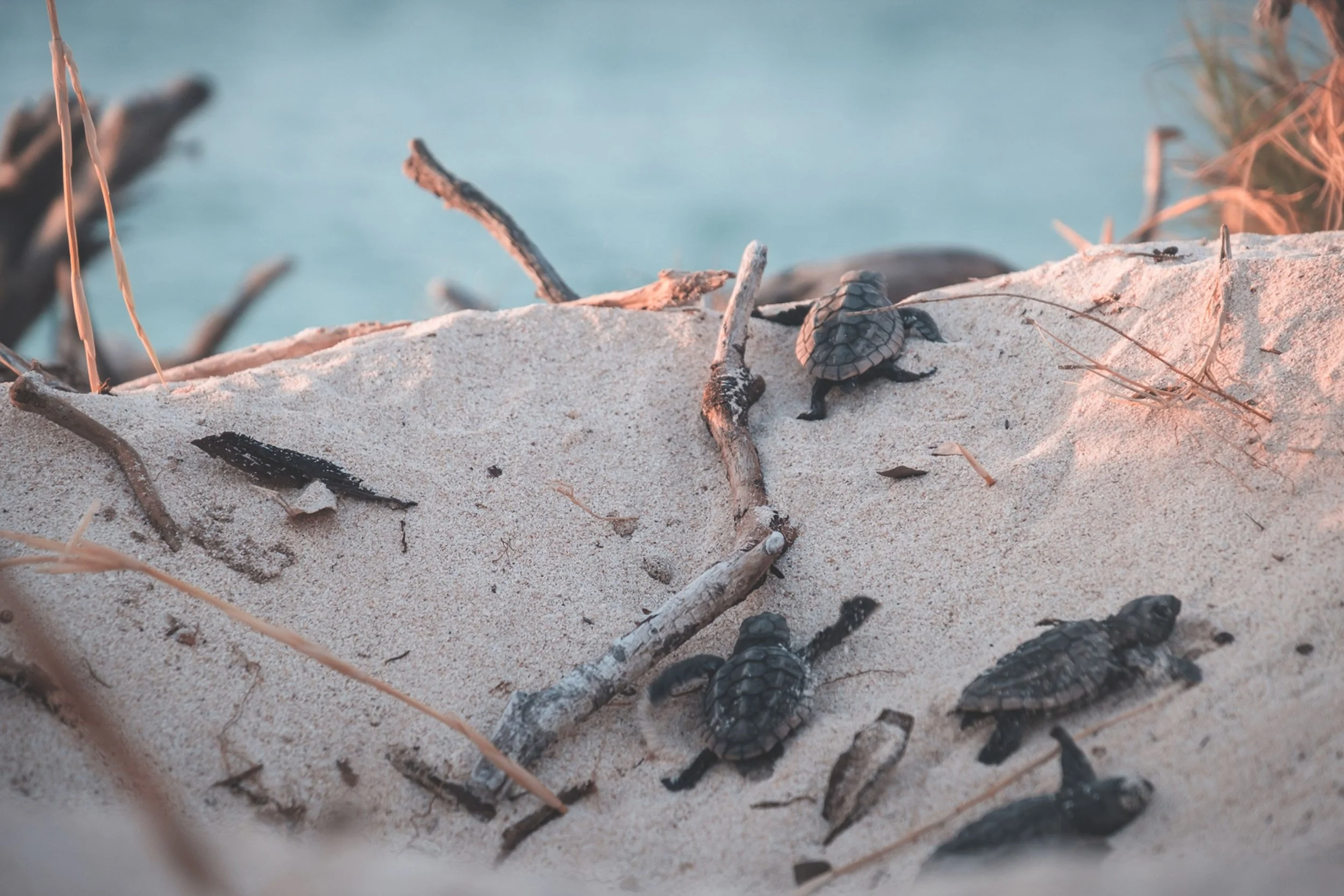
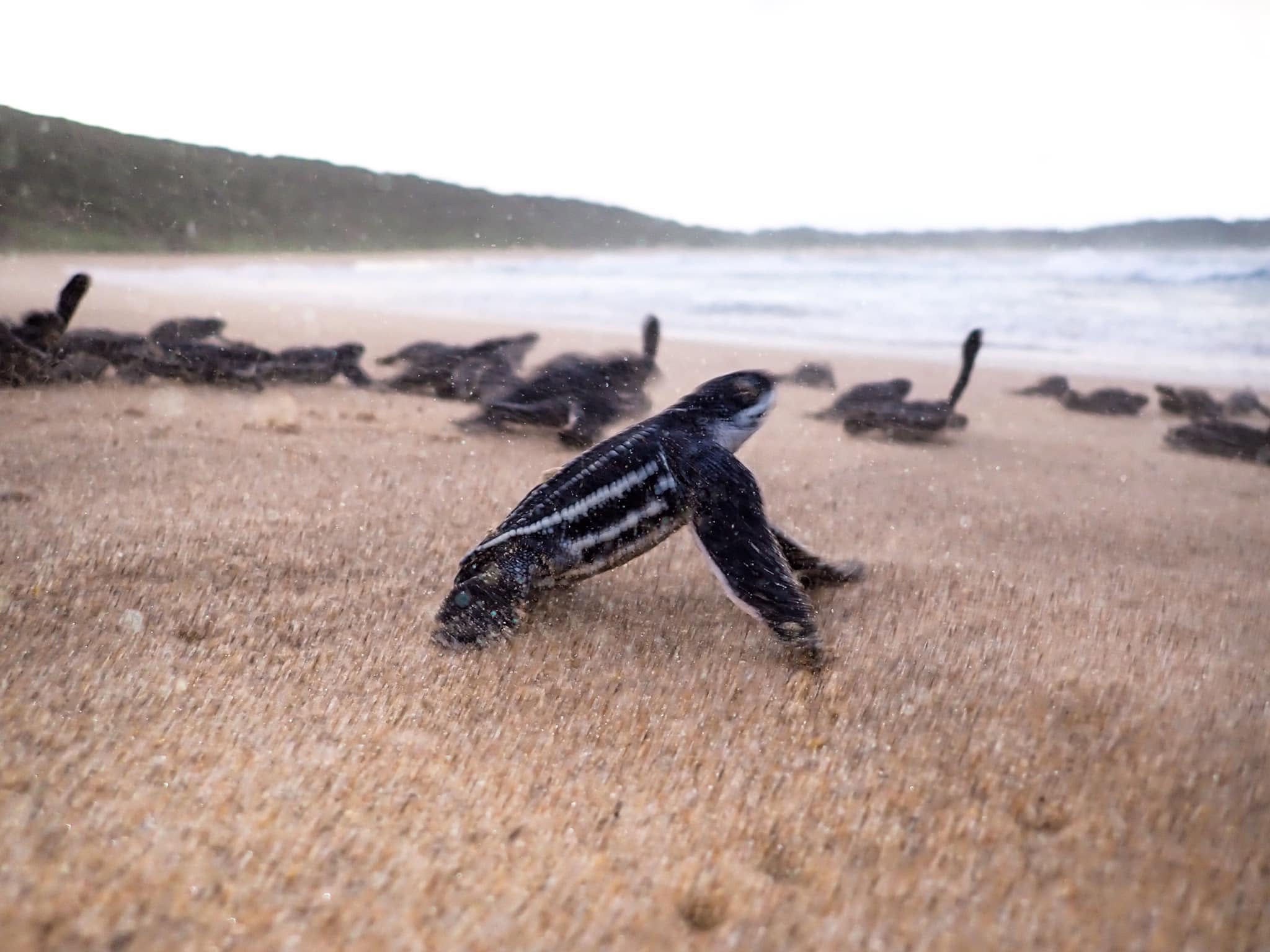
The highlight of this chapter is joining Andy on guided beach safaris to watch loggerhead and leatherback turtles haul themselves ashore to nest, and – for those who time it right – hatchlings making their first, uncertain journey to the sea; an opportunity to witness the full circle and the point of Natalie's research itself.
It's protected areas like this one that give a turtle the chance to complete that journey again, one generation on.
The Story of South Africa's Sea Turtles Is Still Being Written
Despite decades of research, these new technologies are transforming our ability to study animals that spend almost their entire lives beneath the surface. Now, through the invaluable work of researchers like Natalie, we can learn how different individuals use reef systems, how environmental conditions influence their movements, how populations are connected across the western Indian Ocean, and how these patterns may change in a rapidly changing climate.
Answering these questions will not come from a single field season or a single research expedition, however. It will come from years of careful observation, robust scientific methods and the continued collection of high-quality data.
That is what makes long-term research so valuable.
Every turtle encountered adds another piece to the picture. Every new movement record strengthens our understanding of how these animals use the marine environment. Over time, those individual observations become evidence that can inform marine protected area management, conservation policy, and future scientific research.
This is the work that Natalie continues to lead. It is also the work that Honey Guide has chosen to support.
By helping sustain this research, Honey Guide is investing in something that extends far beyond a single expedition. The knowledge generated through this project will continue to grow with each research season, contributing to a better understanding of sea turtles and the ecosystems they depend on.
For the small number of guests who join these expeditions each year, the experience offers something that is increasingly rare.
Not simply the opportunity to see wildlife.
Not simply the opportunity to travel.
But the opportunity to spend time alongside a working research team, to understand the realities of modern conservation science, and to know that your participation has helped support research with lasting scientific value.
There are few experiences where the impact continues long after you have returned home.
Weeks after the expedition has ended, tagged turtles will continue to transmit information from the ocean. Months later, those data will become part of larger analyses. Years from now, they will contribute to scientific publications, conservation planning, and management decisions that help protect sea turtles across the western Indian Ocean.
The expedition itself may only last a few days.
Your impact continues long afterwards.
Interested in Joining a Future Sea Turtle Research Expedition?
Honey Guide's Sea Turtle Research Expeditions in South Africa are intentionally limited to just eight participants, ensuring that fieldwork remains focused on the research while providing guests with meaningful access to an active conservation programme.
To learn more about upcoming expeditions or to register your interest, visit the Honey Guide website or plan your trip with Honey Guide.
Together, we can help ensure that one of South Africa's important sea turtle research programmes continues to answer the questions that still lie beneath the surface.
Frequently Asked Questions About Sea Turtle Tagging in South Africa
What is sea turtle tagging?
Sea turtle tagging allows researchers to identify and monitor individual turtles over time. Natalie Dos Santos' research uses acoustic tags that emit uniquely coded signals. Underwater receivers can detect these signals when tagged turtles move within range, allowing researchers to study residency, movement and habitat use.
Why are researchers tagging sea turtles in South Africa?
Tagging helps researchers understand where turtles spend their time away from nesting beaches, including their feeding grounds, residency areas and potential movement corridors. This information can help scientists and conservation managers understand which marine habitats are important to turtles and inform future conservation planning.
Which sea turtle species are being studied?
Natalie's research focuses on green turtles (Chelonia mydas) and hawksbill turtles (Eretmochelys imbricata) using reef habitats along South Africa's east coast. Loggerhead (Caretta caretta) and leatherback (Dermochelys coriacea) turtles also nest along the country's north-eastern coastline.
Where does the turtle research take place?
Fieldwork is conducted primarily around the Aliwal Shoal and iSimangaliso Marine Protected Areas on South Africa's east coast.
Can travellers participate in sea turtle research in South Africa?
Honey Guide's Sea Turtle Research Expeditions allow a maximum of eight guests to spend time alongside an active research team during fieldwork. The expedition combines access to ongoing turtle research with specialist-guided coastal experiences and luxury accommodation.
How does joining the expedition support conservation?
Honey Guide's partnership with Natalie helps support research already underway, contributing towards additional time at sea, turtle tagging and continued data collection. The purpose is to expand the research team's ability to collect the long-term information required to better understand sea turtle ecology and conservation.
References
Hughes, G. R. (1974). The sea turtles of South-east Africa. 1. Status, morphology and distributions. Invest. Rep. Oceanogr. Res. Inst. Durban, (35), 168.
Nel, R., Punt, A. E., & Hughes, G. R. (2013). Are coastal protected areas always effective in achieving population recovery for nesting sea turtles?. PloS one, 8(5), e63525.
Hamann, M., Godfrey, M. H., Seminoff, J. A., Arthur, K., Barata, P. C. R., Bjorndal, K. A., ... & Godley, B. J. (2010). Global research priorities for sea turtles: informing management and conservation in the 21st century. Endangered species research, 11, 245-269.
Rees, A. F., Alfaro-Shigueto, J., Barata, P. C. R., Bjorndal, K. A., Bolten, A. B., Bourjea, J., ... & Godley, B. J. (2016). Are we working towards global research priorities for management and conservation of sea turtles?. Endangered species research, 31, 337-382.
dos Santos, N. A., Le Gouvello, D. Z., Smith, G. D., Bachoo, S., & Nel, R. (2026). Regionally important developmental foraging grounds for green turtles and hawksbills in the Southwest Indian Ocean. Marine Biology, 173(5), 79.
Continue Reading