Real World Impact
Real Impact, Measured in Lives Protected.
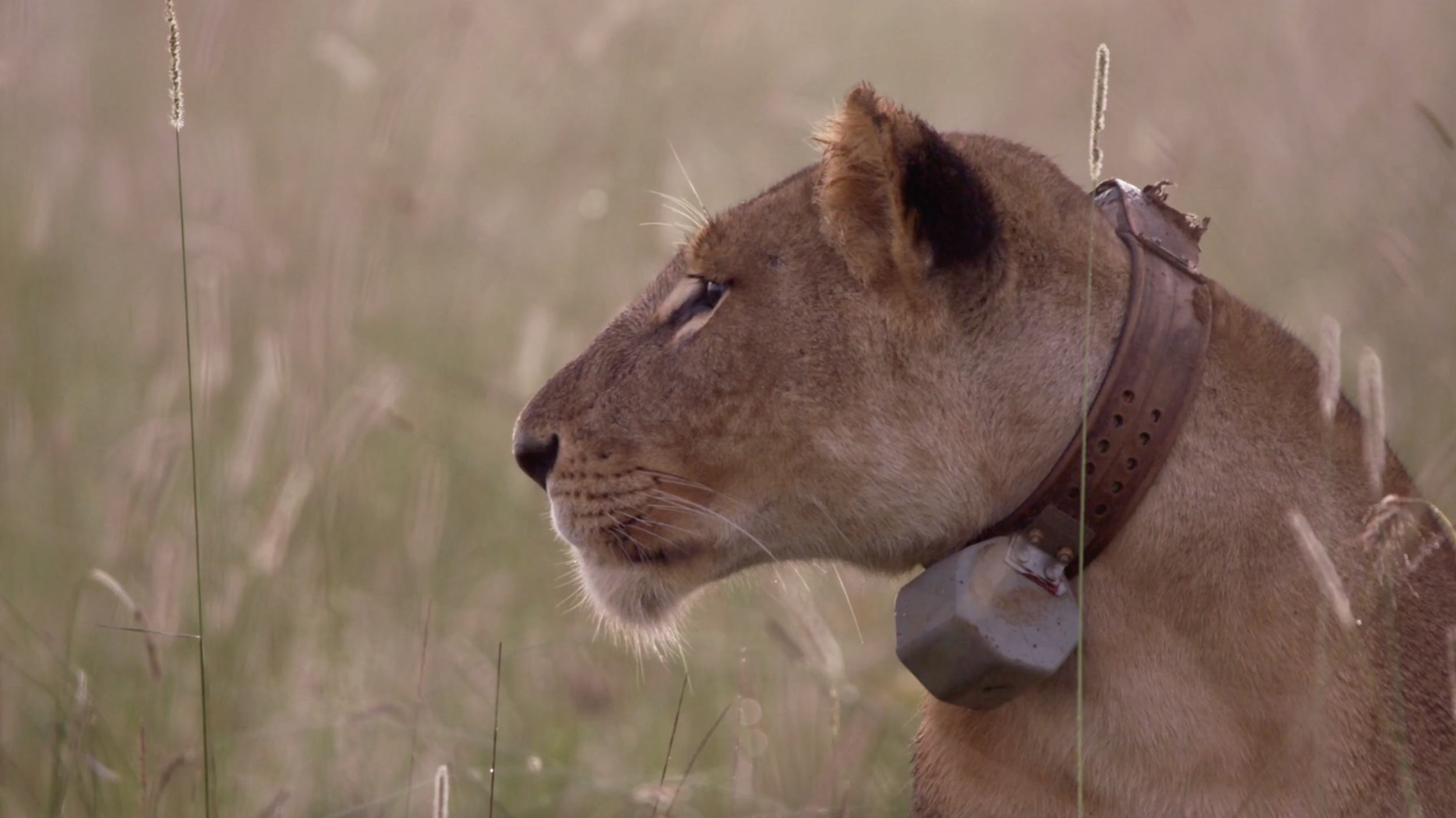
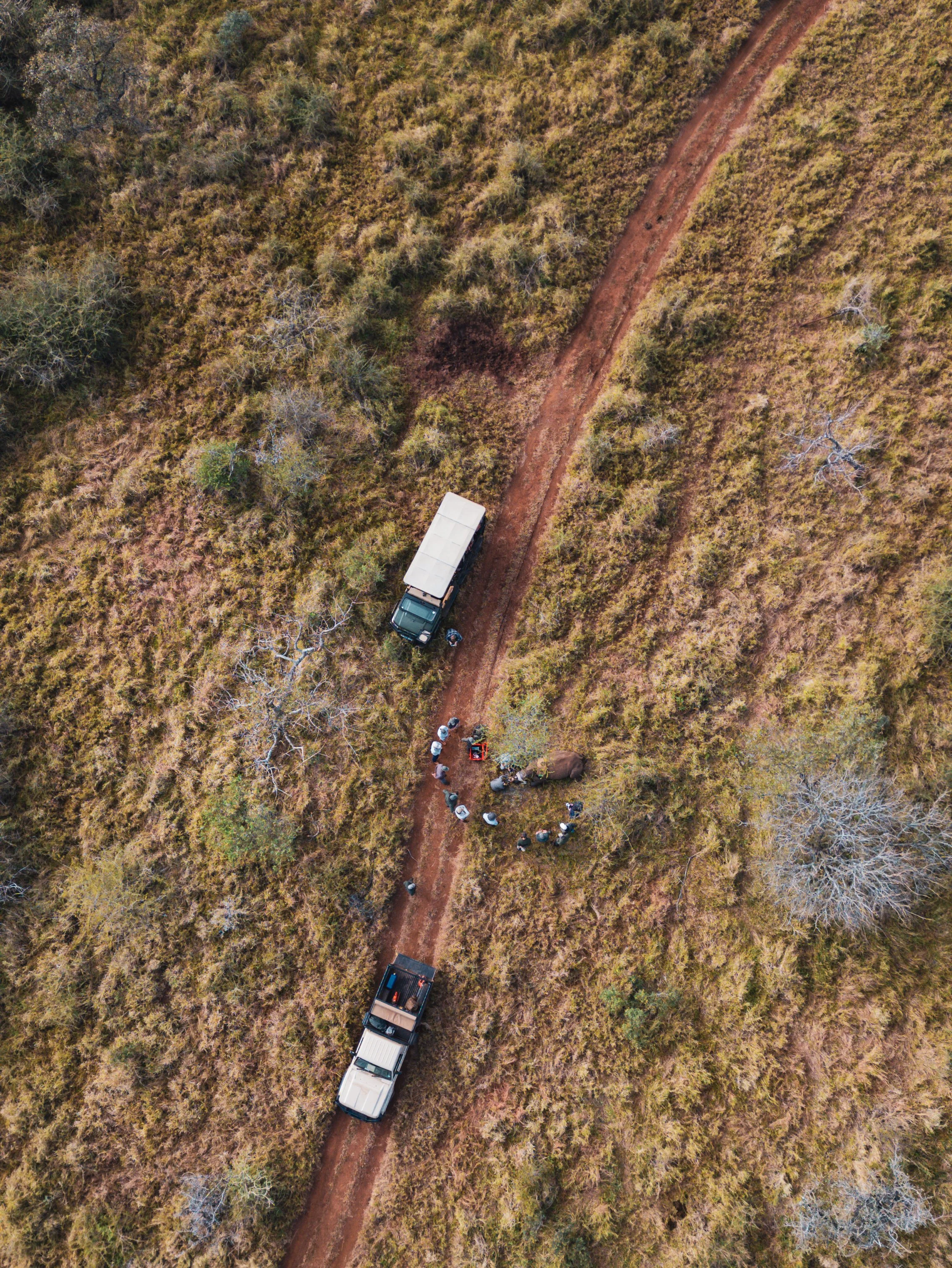
Every project we support — from rhino dehorning to wildlife monitoring and endangered species research — forms part of a larger promise: to stand up for nature where it cannot stand up for itself. Each experience represents a conscious choice: to protect, to preserve, and to empower the survival of our most vulnerable species.
Current Statistics
The Truth About Rhino Poaching
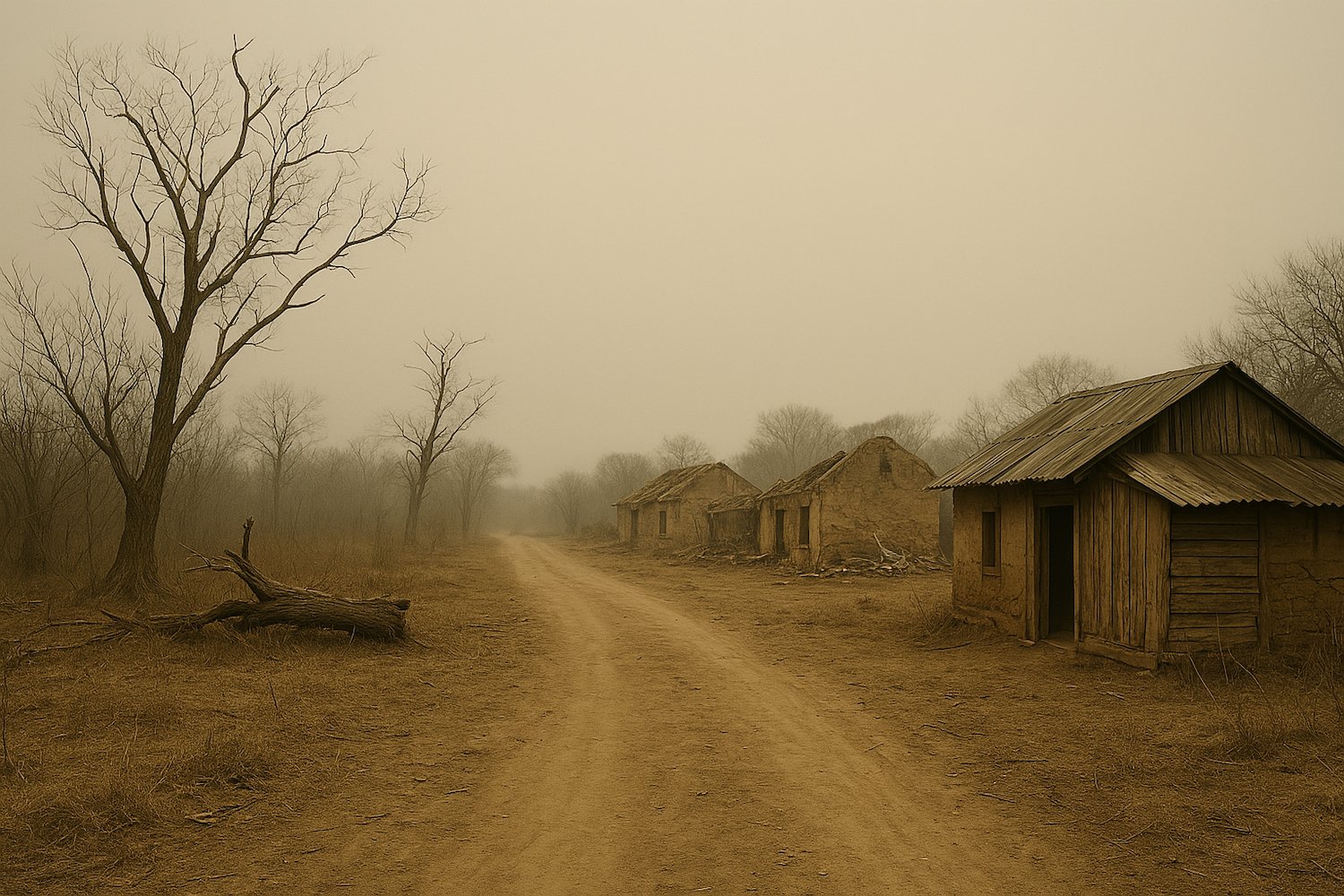
Illegal poaching has pushed Africa’s rhinos to the edge of extinction. Despite international bans, the demand for rhino horn remains one of the most lucrative wildlife crimes in the world — driven by false beliefs and elite markets.
10K
22K
Over 10,000 rhinos have been killed in the past decade.
Less than 22,000 rhinos remain in Africa today.
$60k
Rhino horn can sell for up to $60,000 per kilogram.
Rhino populations have plummeted over the past half-century.
Once numbering in the tens of thousands, both white and black rhinos were driven to the brink of extinction by relentless poaching during the 1970s and 1980s.
This chart traces the decline and gradual resurgence of Africa’s two remaining rhino species, a stark reminder of what’s at stake and why continued protection matters.
Tracking the Survival of Africa’s Rhinos
By the numbers
Real World Impact
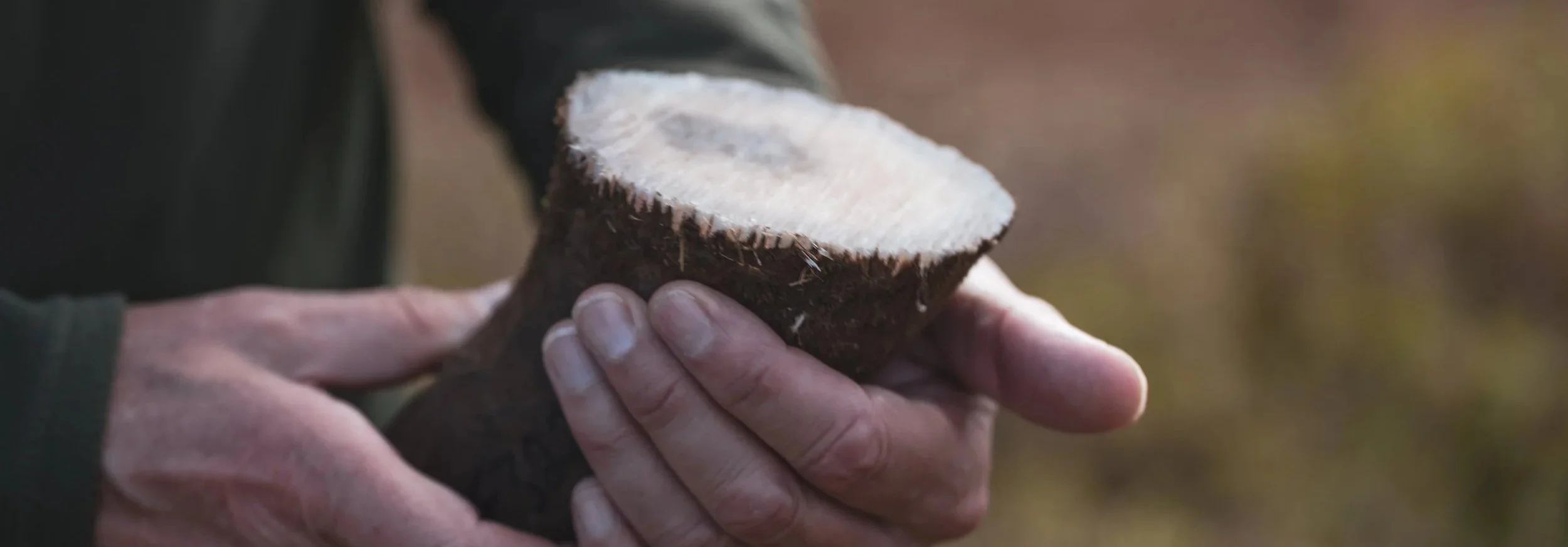
Horn trimmings are one of the most effective management tools for reducing poaching, though unfortunately they cannot eliminate it entirely. Studies from multiple reserves show that when over 90% of rhinos within a population are dehorned, poaching incidents can decline by up to 70%. Your participation and contribution directly supports the brave anti-poaching teams protecting these animals every single day.
70%
Decrease in poaching on reserves where all rhinos are routinely dehorned
Months average time before horn regrowth requires repeat dehorning
12-18
>99%
Success rate for dehorning operations performed by trained specialists