● About Honey Guide
TRAVEL WITH PURPOSE.
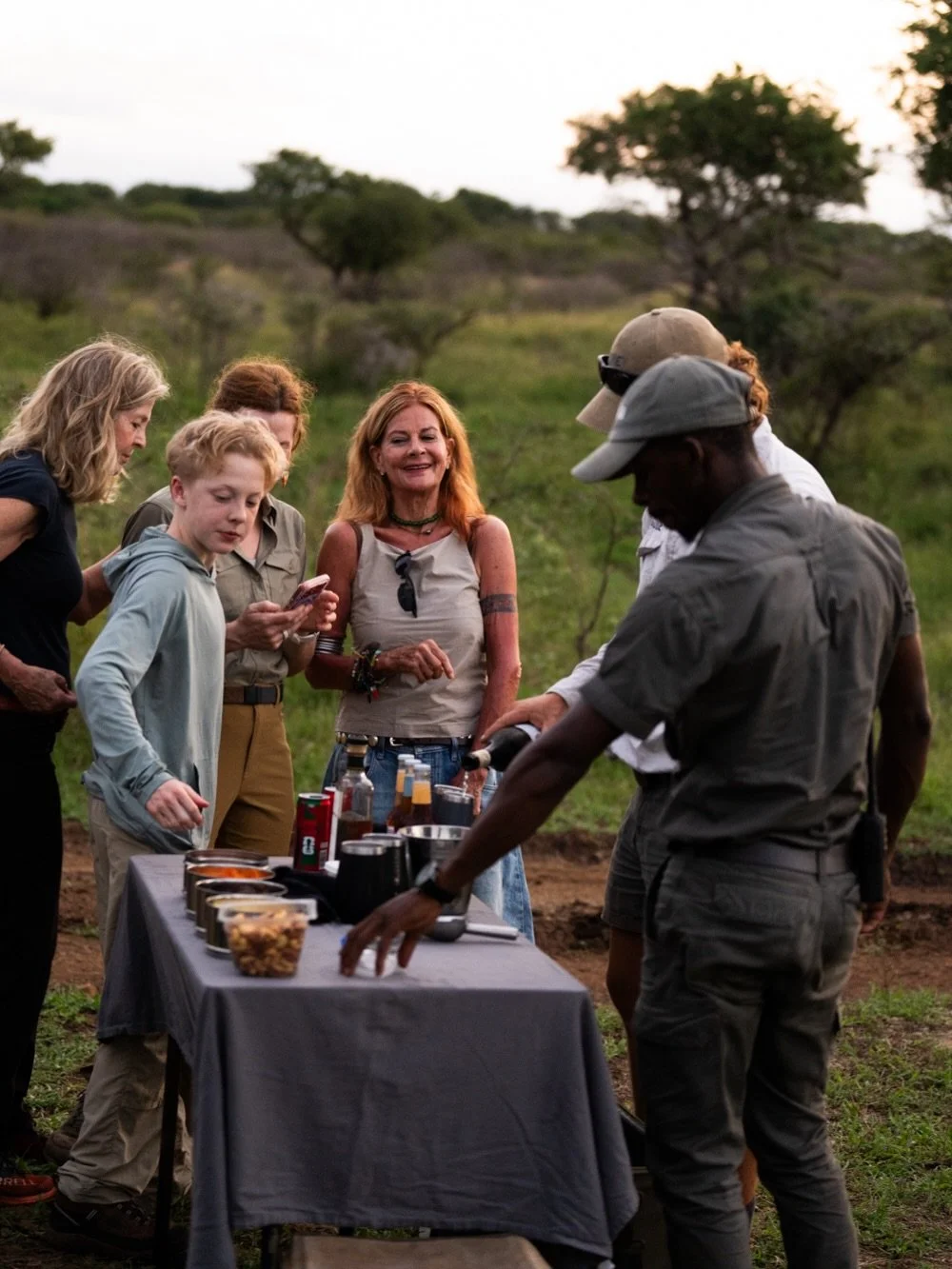
With Honey Guide, travel becomes a tool for real impact — every journey directly supports conservation efforts, and is a purposeful approach to luxury travel, where unforgettable experiences help protect wildlife and the ecosystems they depend on.
We Move with Purpose
Every journey supports a current conservation project on the ground.
We Work with Experts
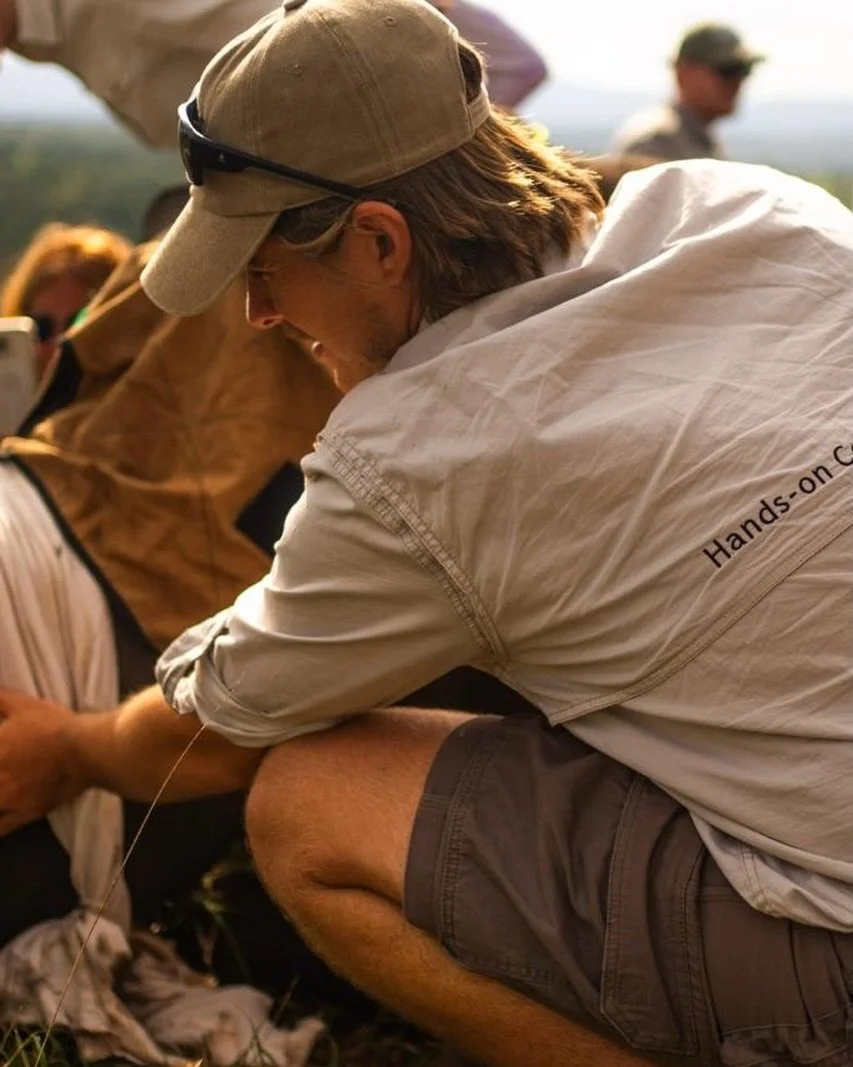
Our guides, vets, scientists, and researchers lead every experience.
We Leave a Legacy
Each visit funds protection, research, and community growth.

Conservation first. Extraordinary travel after.
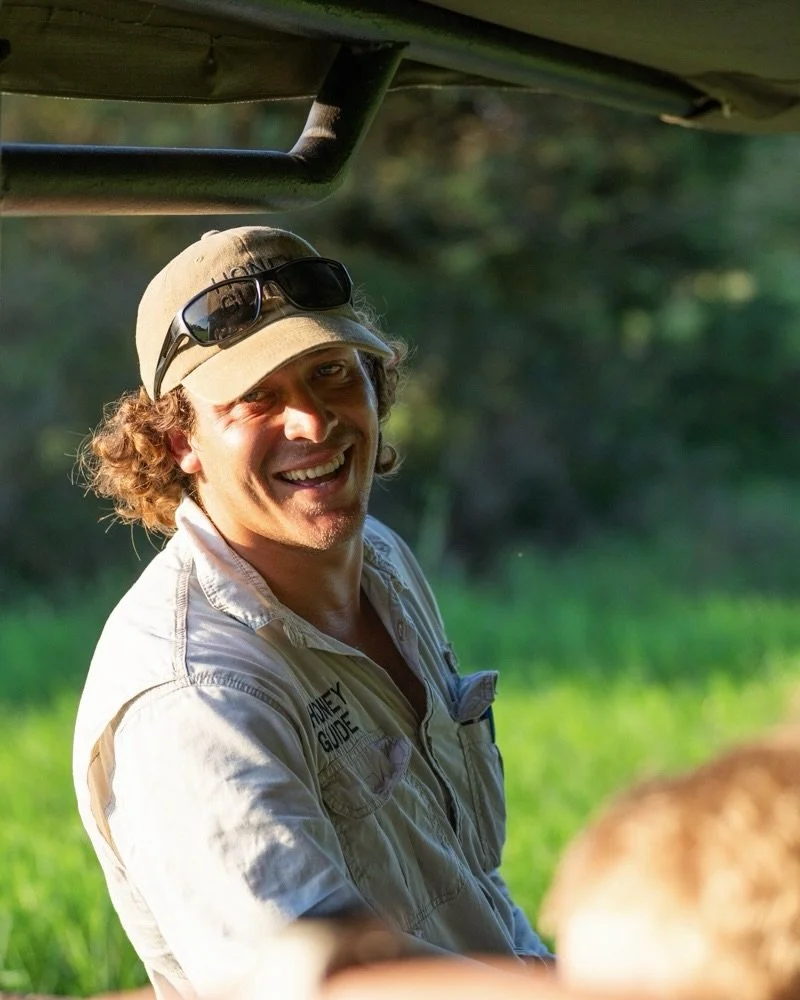
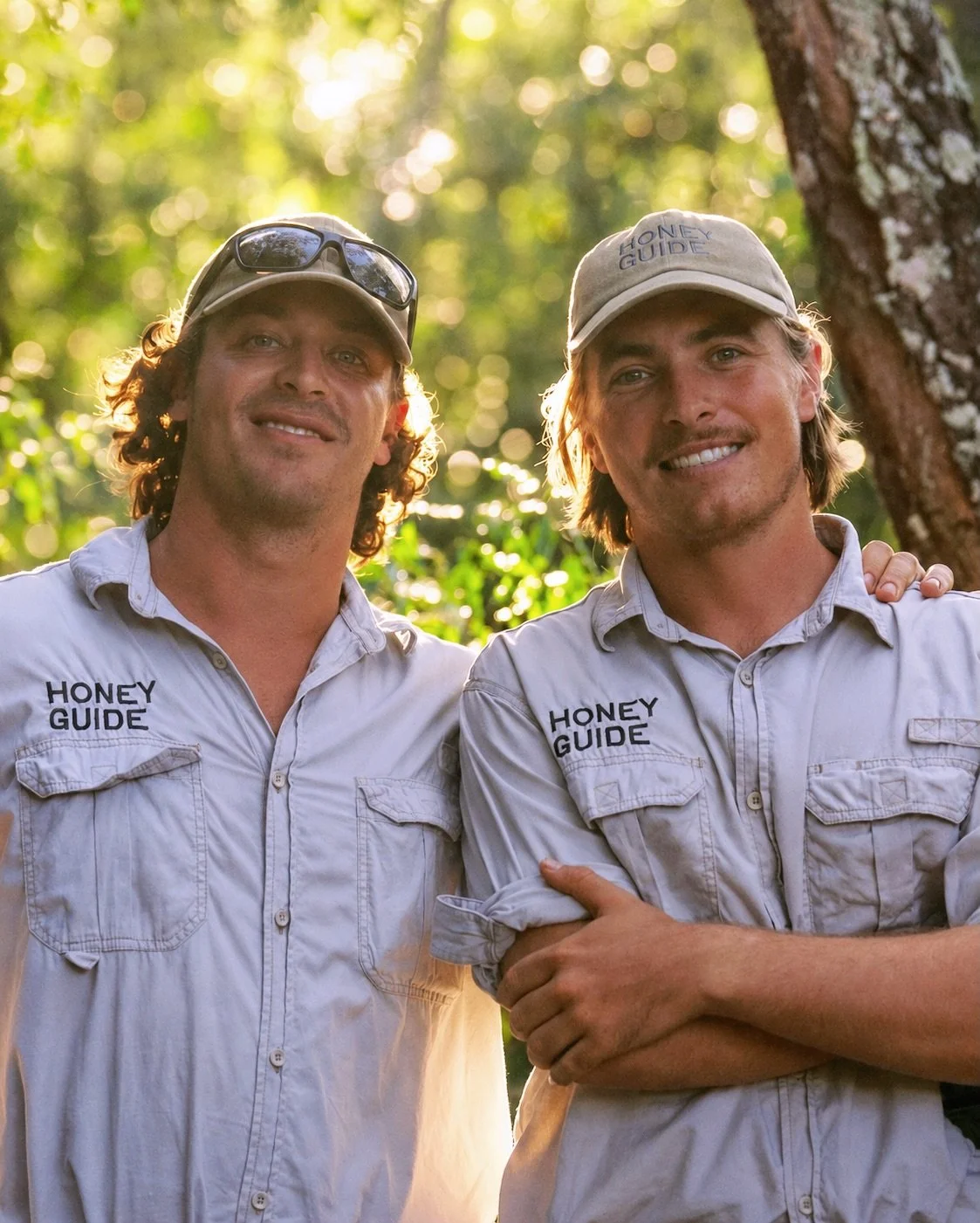
Honey Guide was founded by fisheries biologist Taylor Fiford and conservationist Callan Meyer, whose careers have been spent alongside researchers, wildlife managers and some of Africa's leading conservation organisations.
Years working behind the scenes of rhino dehorning operations, marine research expeditions and wildlife monitoring revealed a simple reality. Many of the most important conservation projects lacked sustainable funding, while passionate travellers were searching for experiences with genuine purpose.
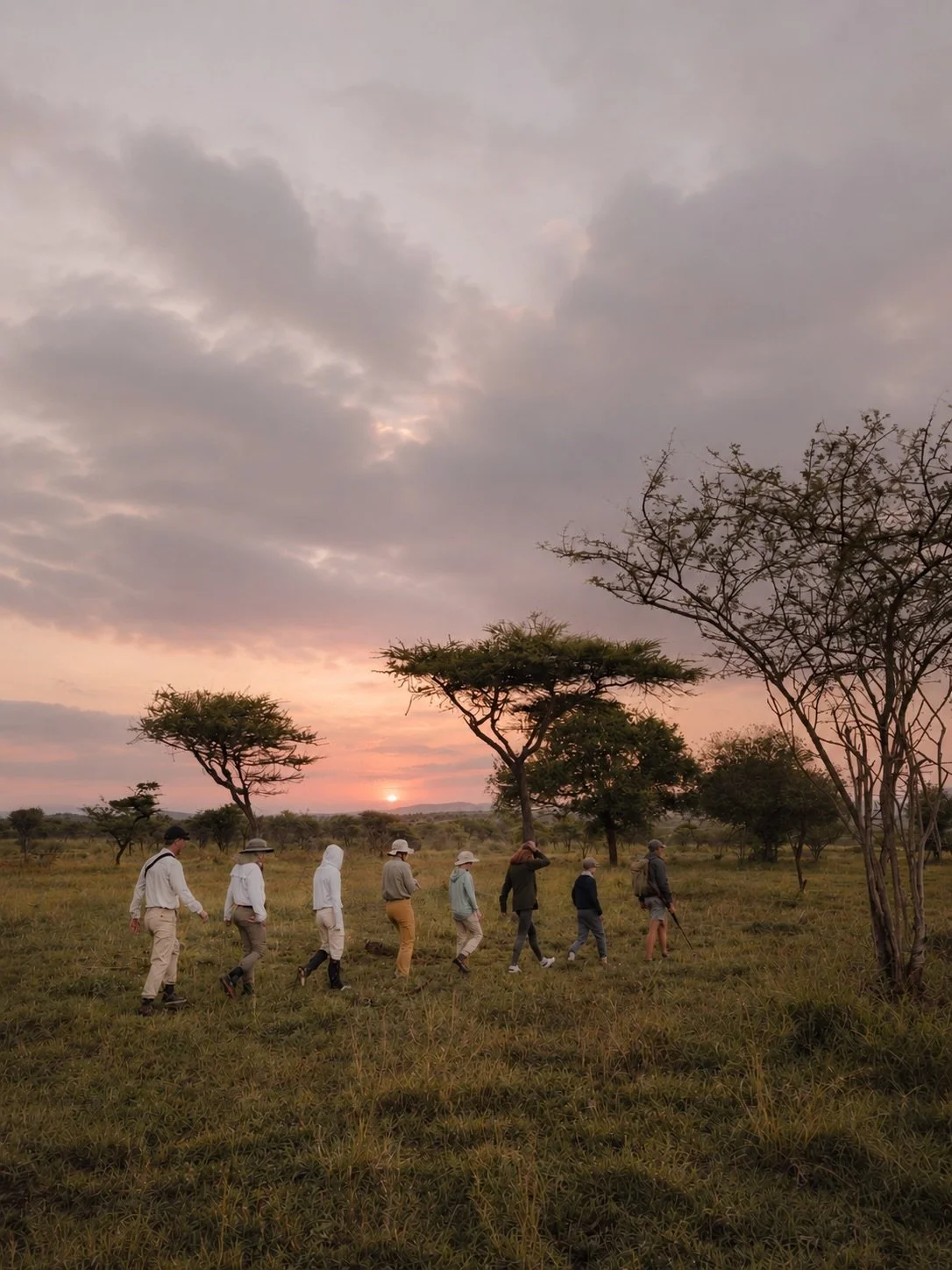
Honey Guide exists to connect those worlds. Every expedition is designed around real conservation work, giving guests rare access to projects that directly contribute to protecting wildlife and supporting the scientists working in the field.
Honey Guide has never been about ticking animals off a list. It's about understanding ecosystems and creating experiences that genuinely allows passionate people to participate and contribute to rare conservation initiatives. Every guest who joins us becomes part of something much bigger than a safari.
OUR PHILOSOPHY IS SIMPLE.
One of the best parts of this work is getting to show people the beauty of creatures we’ve been taught to fear. When curiosity replaces misunderstanding, and respect replaces fear – these are the moments that remind us why we do what we do. Because every creature has a story worth telling.
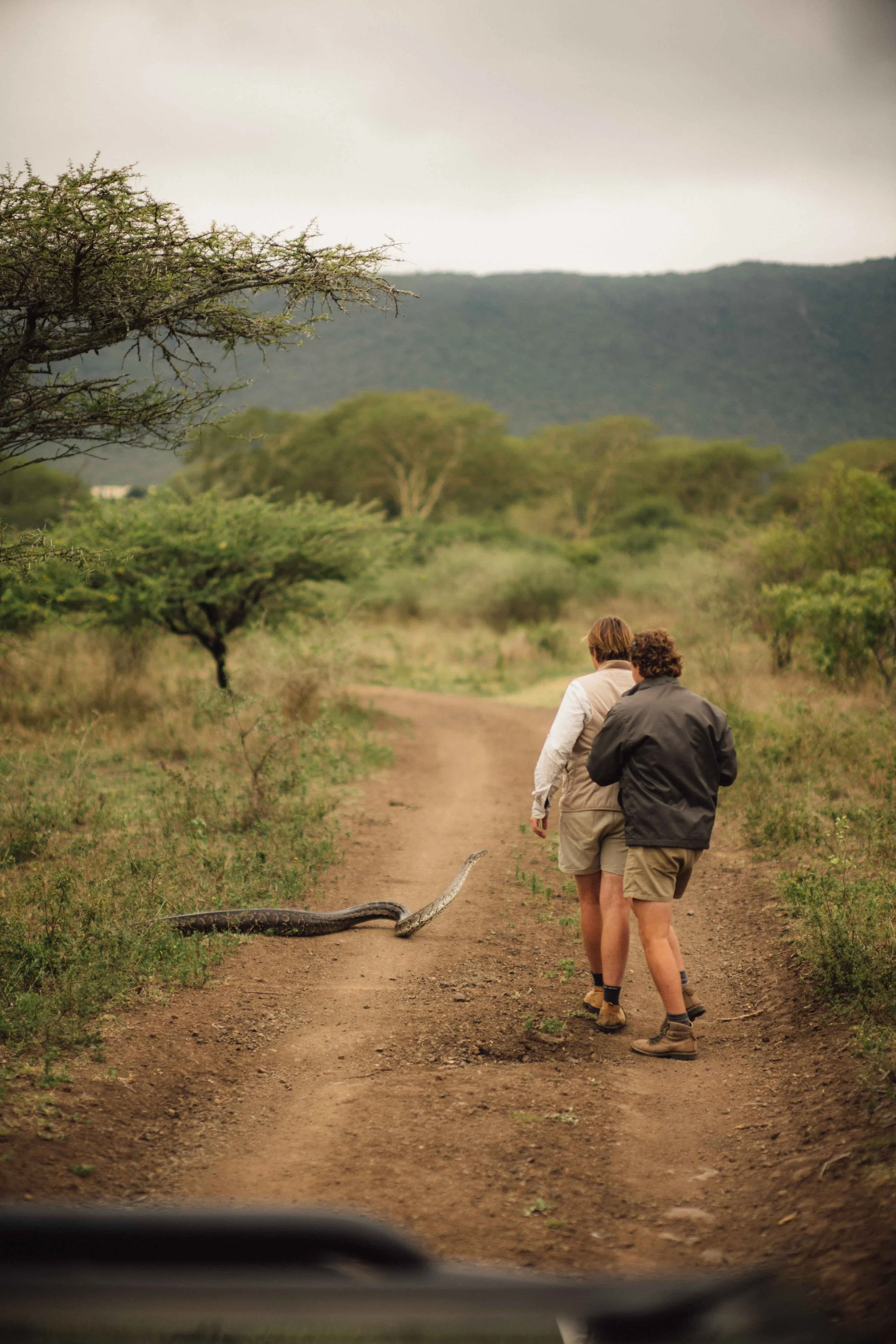
African Rock Python, Python sebae
THE STORy behind the name
WHY HONEY GUIDE?
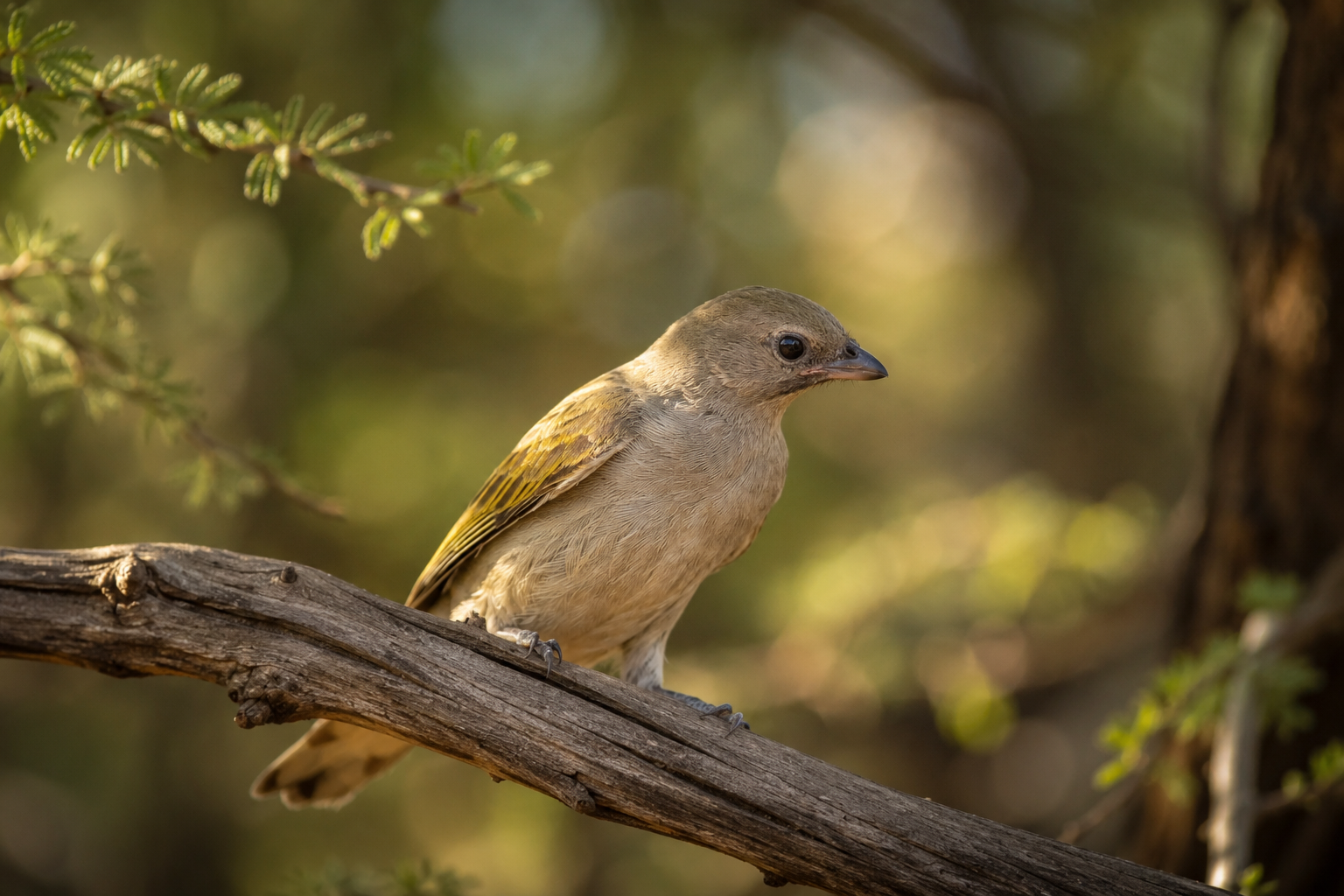
Honey Guide takes its name from the lesser honeyguide, Indicator minor, a small and easily overlooked bird with a remarkable place in the ecology and traditions of the African bush.
Its behaviour reflects the idea behind our work: that trusted knowledge can open the way to something otherwise unseen.
We guide our guests beyond conventional wildlife travel and into real conservation projects, creating rare experiences that contribute directly to the landscapes, species and people behind them.
Real, Measurable Conservation.
Each experience funds a specific conservation initiative, but also contributes to the long term monitoring of wildlife, habitat restoration, and community training programs –– long after you’ve returned home.