Rhino dehorning: the sustainable future of rhino conservation
Rhino dehorning is a pragmatic, evidence-based conservation intervention used across Southern Africa to reduce the financial incentive driving organised wildlife crime. While not a perfect or permanent solution, recent large-scale analyses show that dehorning is among the most effective and cost-efficient strategies available today — especially when implemented alongside on-ground anti-poaching units, community programmes, and comprehensive monitoring.
A landmark study across the Greater Kruger landscape (2017–2023) found that reserves implementing rapid, systematic dehorning experienced a 75–78% reduction in poaching compared to pre-dehorning levels. In areas where dehorning was carried out broadly and quickly, the immediate decline in poaching was particularly dramatic. The analysis, which examined thousands of animals across multiple properties, concluded that dehorning significantly reduces poaching risk while requiring only a small fraction of overall anti-poaching expenditure (Kuiper, 2025). In simple terms: the risk–reward ratio for poachers has shifted sharply, making it far less worthwhile — and far more dangerous — to attempt entering a reserve.
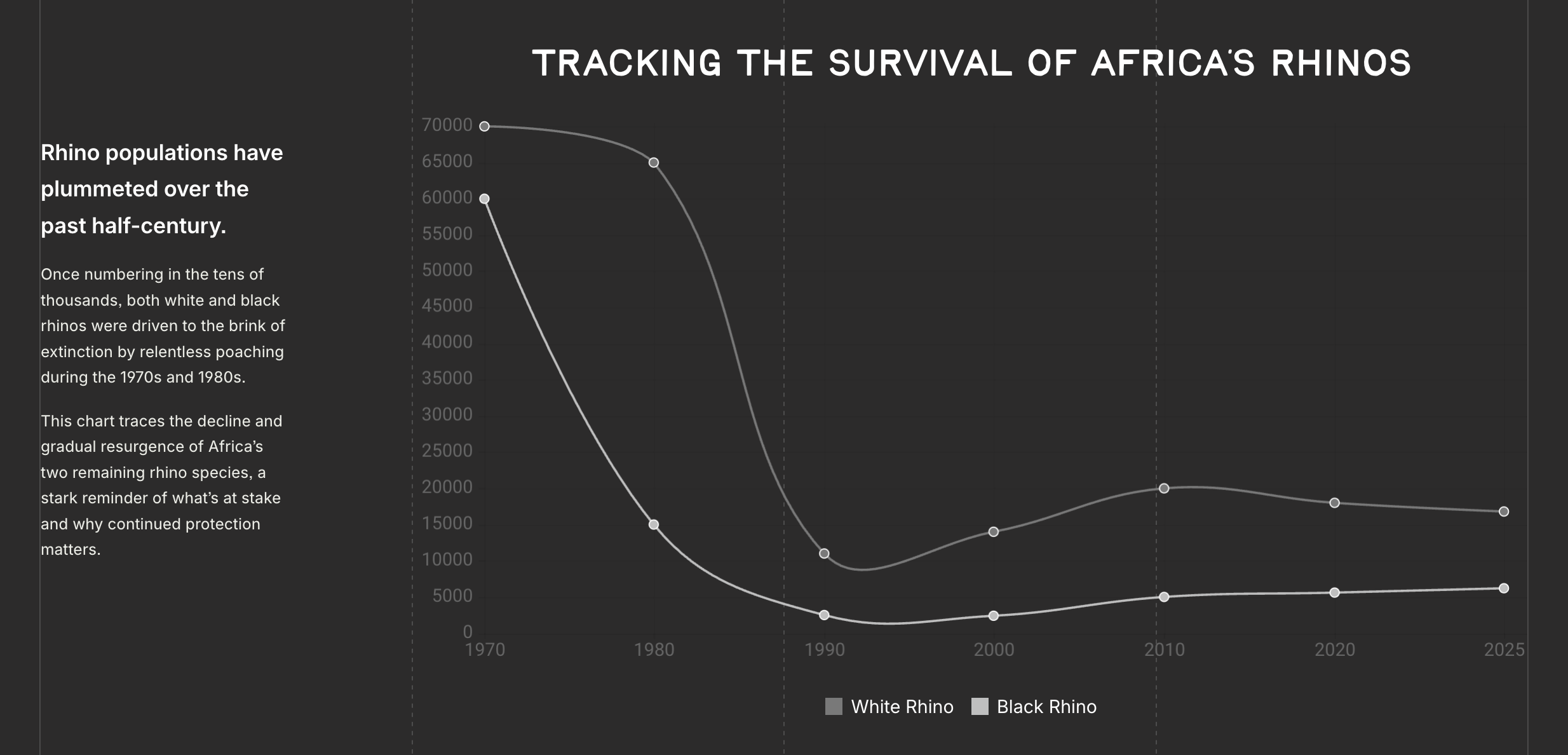
The Decline and Recovery of Africa’s Rhino Populations (1970–2025)
KwaZulu-Natal AND Zululand: A Closer Look
In KwaZulu-Natal and Zululand, horn trimmings began in 2016 — a period often referred to as the “D-Day” of rhino population decline. Many private reserves had the financial means to implement dehorning programmes rapidly and effectively. This, however, placed immense pressure on the already under-resourced public conservation sector, which struggled to match the speed and scale of private-sector operations.
Within the private reserves, where Honey Guide guests will witness this work firsthand, poaching has decreased by approximately 75% — a remarkable testament to the dedication and efficiency of well-run conservation organisations.
More recently (2024), South Africa recorded a 16% national decrease in rhino poaching compared to the previous year (420 rhinos poached in 2024 vs 499 in 2023), largely due to public reserves adopting established horn-trimming programmes (Parakozov et al., Reuters).
The Economics Behind Wildlife Crime
Illegal wildlife-trafficking networks consider rhino horn to be one of the most lucrative contraband commodities on earth. On the black market, raw rhino horn has fetched US $10,694–$22,257 per kilogram in destination countries such as Vietnam (Gilchrist). In some markets, estimates suggest prices climbing as high as US $60,000 per kilogram.
Between 2012 and 2021, the wholesale trade in illicit raw rhino horn generated an estimated US $874 million to US $1.13 billion globally — a conservative figure that excludes the final retail value of carved or processed horn products (Wildlife Justice, 2024).
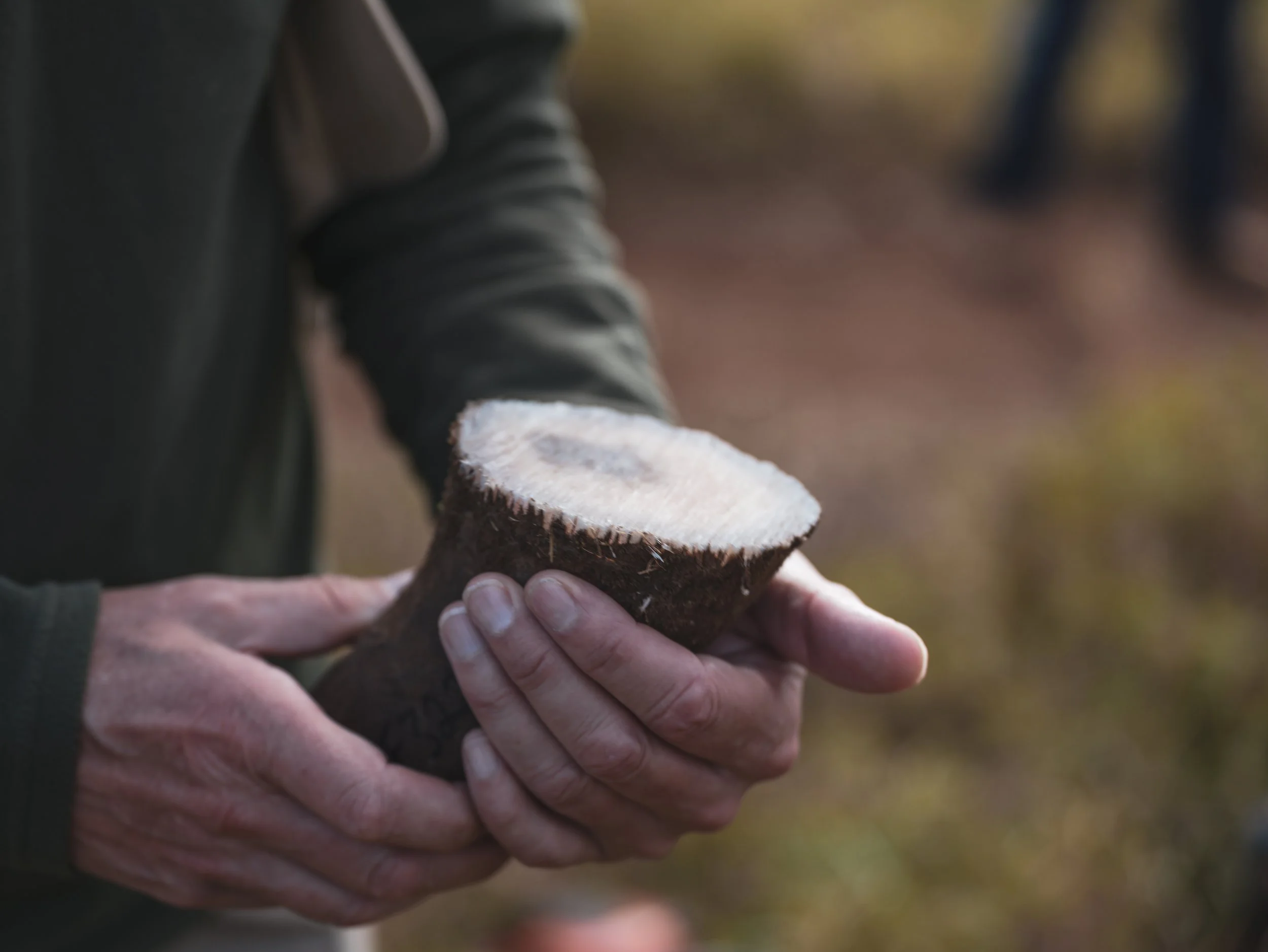
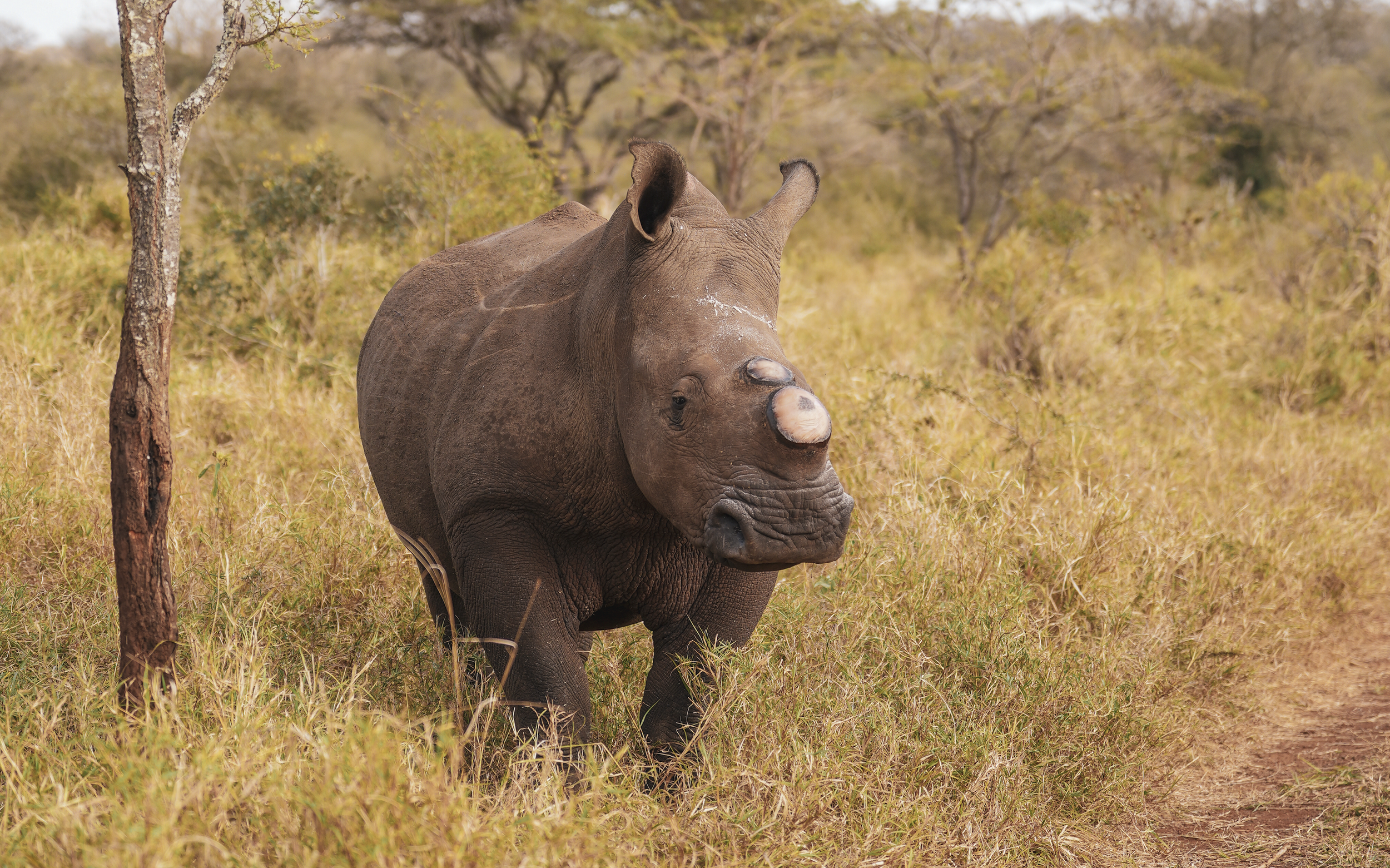
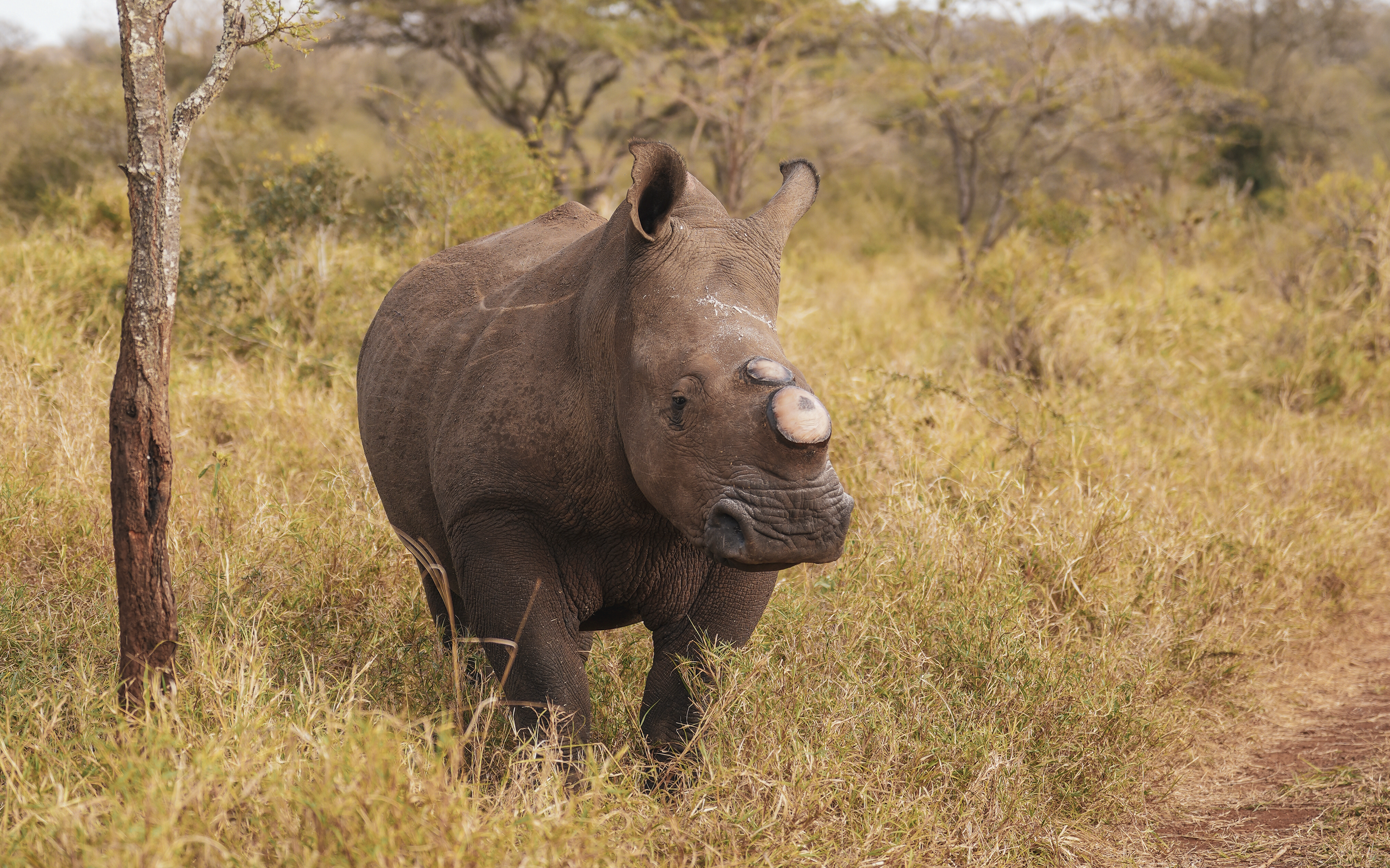
Rhino horn trimming of a young female after a successful dehorning operation with Honey Guide.
Why Dehorning Works — And Why It’s Ethical
Rhino dehorning is not a permanent fix. Rhino horn, made entirely of keratin (the same protein found in human hair and nails), naturally regrows. Most rhinos regenerate a substantial portion of their horn within 12–24 months, depending on their age, sex, and overall health.
Crucially, the procedure removes only the external horn above the growth plate — typically around 4 inches above the skin. The living tissue is never touched, which is why the procedure is considered humane.
When performed by qualified wildlife veterinarians and experienced ground teams:
The rhino is safely sedated.
Vital signs are monitored throughout.
No pain is experienced during removal.
Animals return to normal behaviour soon after waking.
Long-term field monitoring has consistently shown no negative physical or social impacts when dehorning is conducted correctly. This combination of safe regrowth and minimal physiological stress is why dehorning is recognised as a responsible, ethical conservation tool.
A Powerful, Emotional Experience
Witnessing a horn trimming can be emotional, overwhelming, and deeply humbling. It is a moment that brings the reality of conservation into sharp focus — the lengths we must go to protect an extraordinary species under immense threat.
At Honey Guide, we believe in sharing this raw, honest moment with travellers. It reflects the dedication, compassion, and relentless commitment required to safeguard a species pushed to the brink. Through this work, we hope guests feel the same determination we do: to conserve, to protect, and to fiercely care for these remarkable animals.
If you’d like to understand this work firsthand, Honey Guide welcomes you to join one of our conservation-led experiences — where your presence directly supports the protection of Africa’s wildlife.
Works Cited
Gilchrist, Jason. “Why South Africa’s Rhino Horn Stockpiles Are Fuelling the Poaching Crisis.” Biz News, https://www.biznews.com/sarenewal/2024/07/03/sas-rhino-horn-stockpiles-fuelling-poaching?utm_source=chatgpt.com.
Justice, Wildlife, editor. “Rhino Horn Trafficking as a Form of Transnational Organised Crime 2012–2021.” Wildlife Justice, vol. 1, no. 1, 2024, p. 10.
KUIPER, Timothy. “Dehorning Reduces Rhino Poaching.” Science, vol. 388, no. 6751, 2025, p. 15. https://www.science.org/doi/10.1126/science.ado7490?utm_source=chatgpt.com. Accessed 28 Nov 2025.
Parakozov, Sfundo, et al. “South Africa Records 16% Drop in Rhino Poaching Last Year.” Reuters, 6 March 2025. https://www.reuters.com/world/africa/south-africa-records-16-drop-rhino-poaching-last-year-2025-03-06/?utm_source=chatgpt.com. Accessed 28 Nov 2025.
Continue Reading