
A Different Kind of Safari: A Conservation Experience in Mozambique
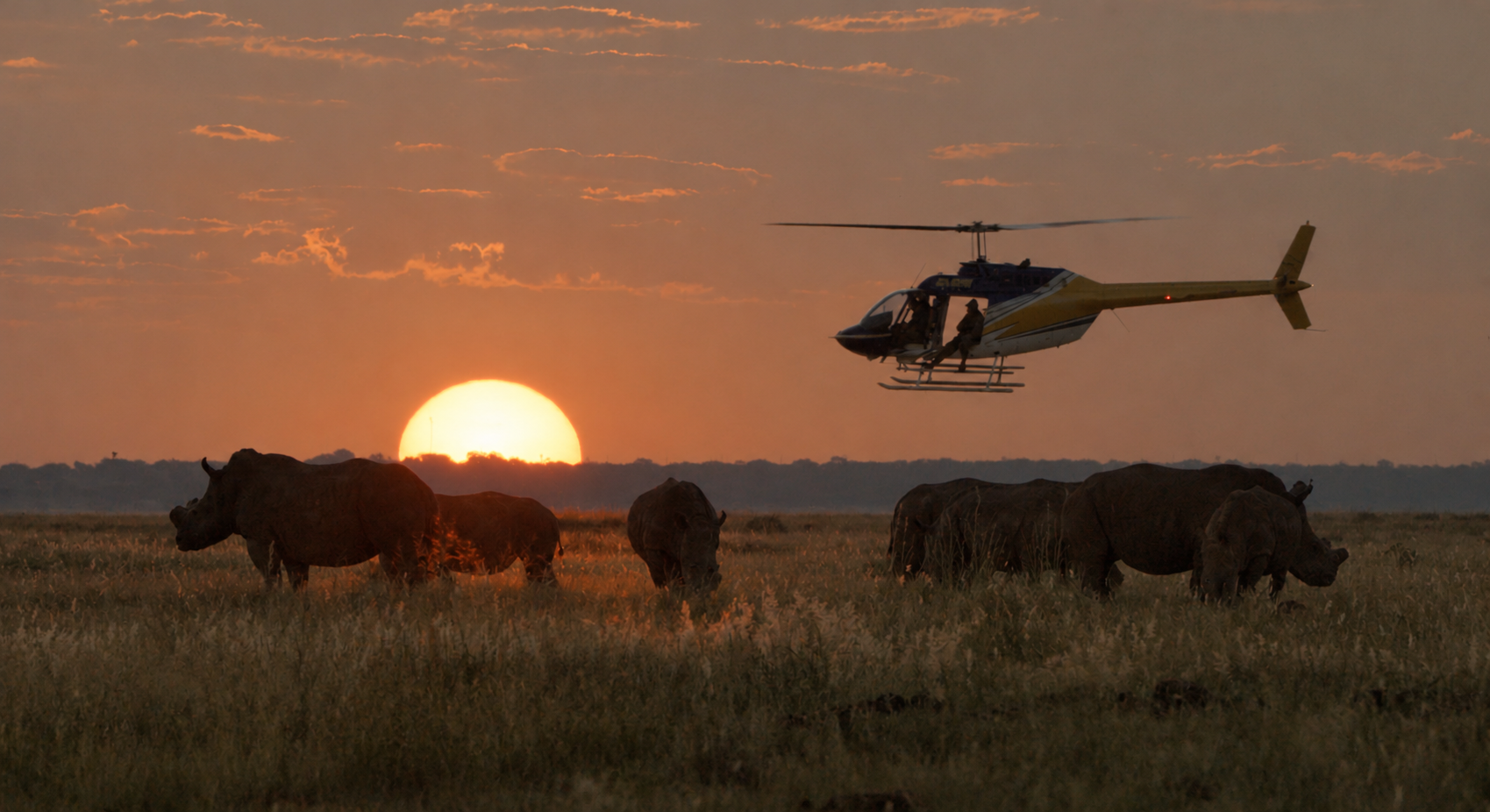
The day began with the smell of freshly brewed coffee, the salty air of the Indian Ocean drifting through camp, and the distant call of a whale just beyond the backline.
Over nine days in southern Mozambique, we experienced a very different kind of African safari. Based at Colina Verde, near Maputo National Park, our days included elephant collaring, buffalo disease testing and aerial wildlife surveys, alongside encounters with marine conservation and some of the most extraordinary coastal wilderness in Southern Africa.
Colina Verde became home for nine of the most memorable days of my life. There was no traditional safari itinerary and no ticking off a list of animals. The focus was entirely on raw, hands-on conservation work. Our missions included buffalo disease testing, collaring elephants identified in human-wildlife conflict events, and aerial wildlife surveys, to name just a few. With two helicopters, a wildlife veterinarian and his team, four guests and one very excited Callan Meyer, we headed into the field for the first day of what would become an extraordinary conservation expedition.
An account of nine days in southern Mozambique, exploring the people, science and fieldwork behind a different kind of conservation safari.
Colina Verde: A Private Coastal Base in Mozambique
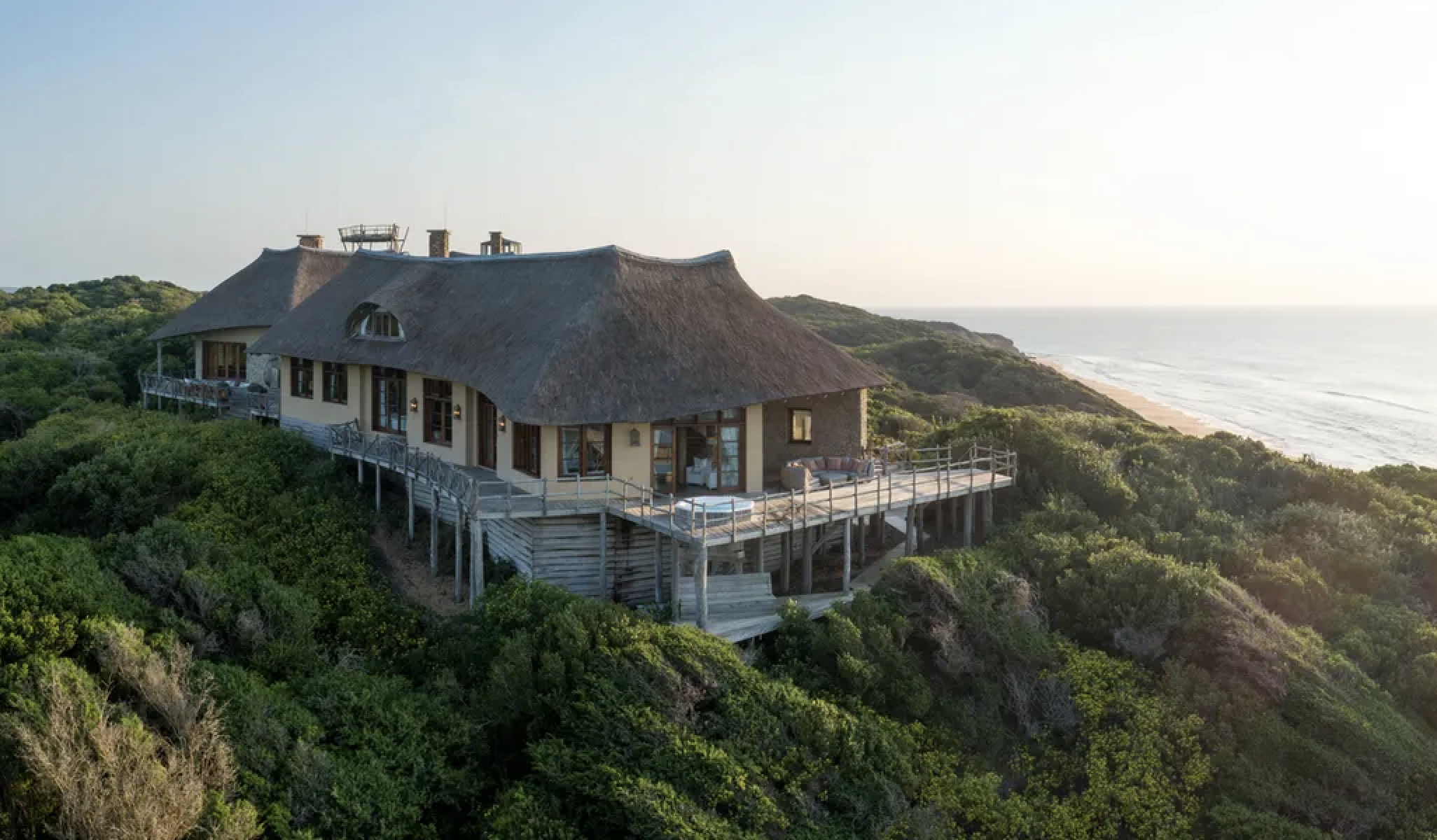
Colina Verde, a private coastal home overlooking the Indian Ocean in southern Mozambique.
Colina Verde is a private, family-style coastal home, available exclusively to one group at a time. Perched above the coastline, it combines the comfort of a luxury lodge with the feeling of a private beach house. Spacious bedrooms, deep baths, generous living areas and large terraces overlooking the ocean make it an incredible base for an adventure like this.
But it is the location that really sets it apart. The Indian Ocean is quite literally on your doorstep. From the house, we could hear the waves breaking below and, at the right time of year, the unmistakable blow of humpback whales moving along the coastline.
For nine days, Colina Verde became our home, our base and the launchpad for some truly extraordinary conservation work.
Why Mozambique for a Conservation Safari?
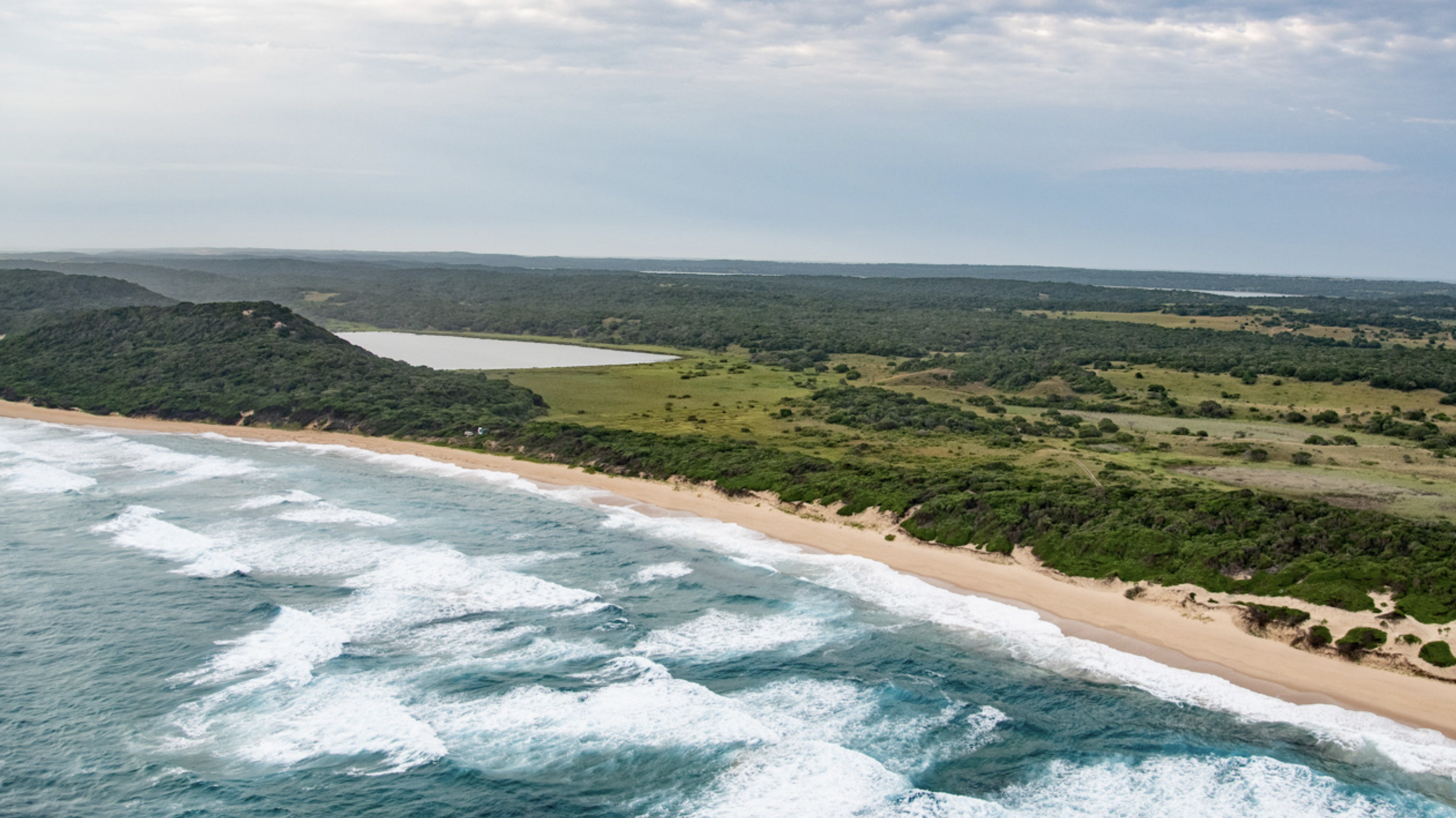
Southern Mozambique’s coastal wilderness. Image: Peace Parks Foundation
Honeyguide recently had the opportunity to spend time alongside two remarkable conservation organisations in Maputo National Park, in southern Mozambique, as part of developing a new conservation-focused experience.
At Honeyguide, we want to bring meaningful conservation to the forefront of the safari experience. We want our guests to meet the people genuinely working on the front lines — often quietly and without recognition — doing the difficult work that makes a real difference. We look for conservationists focused on protecting wild spaces, resolving human-wildlife conflict, restoring ecosystems and safeguarding landscapes that could look very different within the next 50 years if we don't act now.
Southern Mozambique offers a remarkable combination of vast terrestrial wilderness and a thriving marine ecosystem. One moment you can be standing beside the Indian Ocean, and a short helicopter flight later you can be flying over some of Southern Africa's most spectacular wildlife landscapes.
Truthfully, these landscapes were thriving on a completely different level from anything I had experienced before. Vast stretches of land with game as far as the eye could see. Buffalo moving across open country. Helicopters working over the ecotone of enormous natural mangrove systems, with the sound of the ocean breaking behind the dune line.
Pure pinch-me moments. It is this combination of wildlife, wilderness and ocean that makes southern Mozambique so exciting for Honeyguide.
Maputo National Park: Wildlife and Human–Wildlife Coexistence
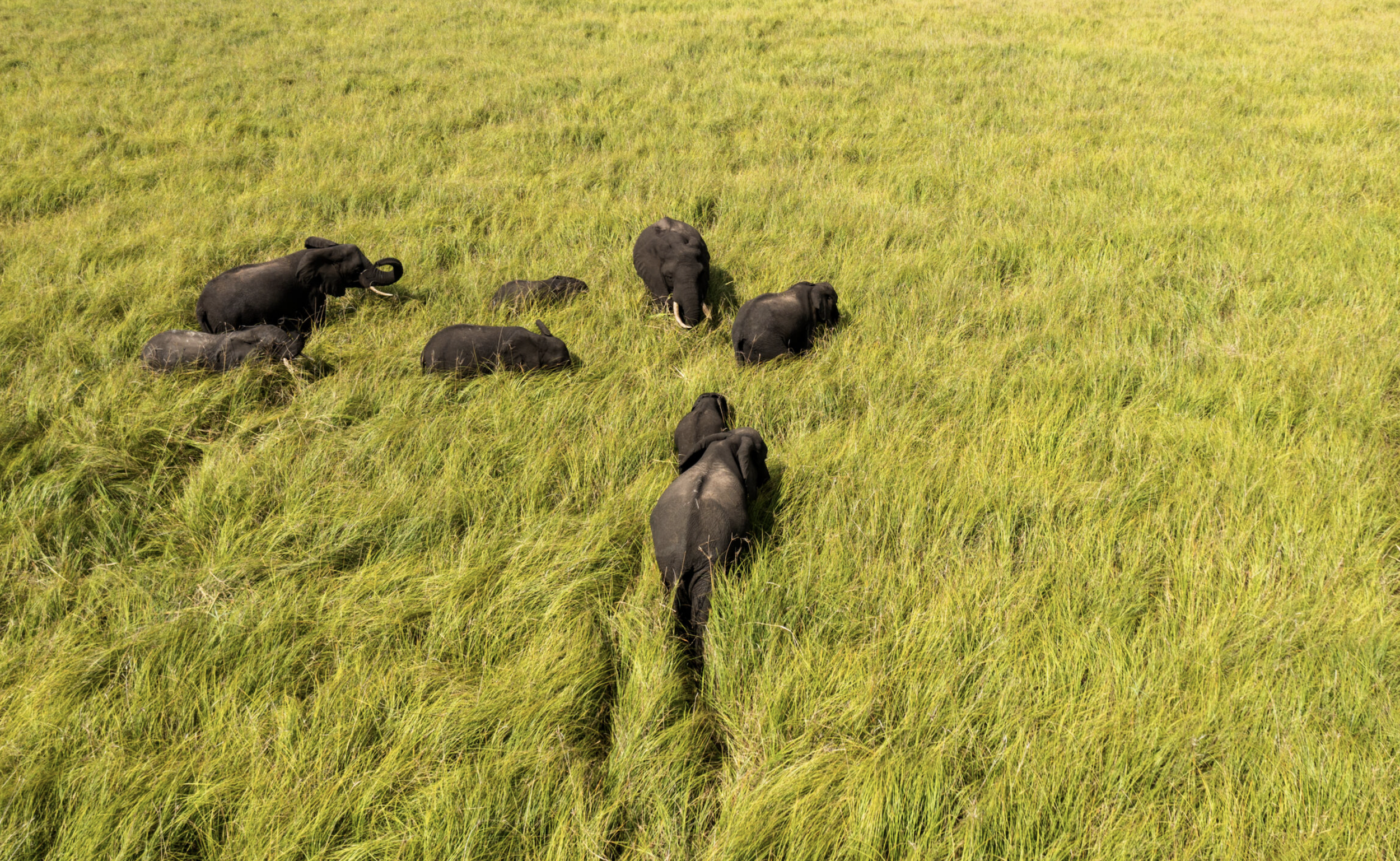
Maputo National Park protects a diverse landscape of coastal forests, wetlands, grasslands and wildlife habitat. Image: Peace Parks Foundation
Formerly known as the Maputo Special Reserve, and before that the Maputo Elephant Reserve, the area has a long history of protecting one of southern Mozambique's most important elephant populations.
Today, Maputo National Park protects an incredible mosaic of coastal forests, floodplains, grasslands, wetlands, lakes, mangroves and forested dunes. It is home to elephants, giraffes, buffalo, hippos, crocodiles and an extraordinary diversity of birdlife.
It is a living conservation landscape — a place where people and wildlife share the same space, and where the future of conservation depends on finding practical ways for both to coexist. That was one of the biggest things I took away from the trip.
Protecting wildlife is only one part of the equation. For conservation to work in the long term, the people living alongside these animals need to be part of the solution too.
One of the biggest challenges is human-wildlife conflict, particularly between elephants and rural communities. Communities depend on their crops for food and income, while elephants naturally move across the same landscapes in search of food and water.
When those worlds overlap, the consequences can be devastating. An elephant can destroy a community's crops in a matter of hours, potentially wiping out months of hard work and a family's food security.
This is where some of the most exciting conservation solutions are also some of the simplest. Protected Farming Communities, sometimes referred to as “green fences”, use solar-powered electric fencing to protect communal agricultural areas from elephants and other wildlife. Rather than trying to remove wildlife from the landscape, the idea is to create space where both people and animals can continue to exist.
The scale of the need is significant. The Mozambique Wildlife Alliance has reported that the number of families farming within its Protected Farming Communities increased from 993 to 1,726, with eight new fenced communities established. Their goal is to establish 100 Protected Farming Communities.
This is exactly the kind of conservation I find exciting: practical, measurable and built around coexistence rather than conflict.
Mozambique Wildlife Alliance: Conservation in Action
The Mozambique Wildlife Alliance, or MWA, is a Mozambican conservation organisation focused on practical, on-the-ground conservation. Their work sits at the intersection of wildlife veterinary care, biodiversity conservation, scientific research and human-wildlife conflict mitigation.
Working alongside Mozambique's National Administration of Conservation Areas and other partners, MWA supports wildlife veterinary interventions, translocations, injured animals, dehorning, DNA collection, satellite collaring and conflict response.
What particularly stood out to me was the way their work connects science directly to action.
Elephant Collaring and Human–Wildlife Conflict
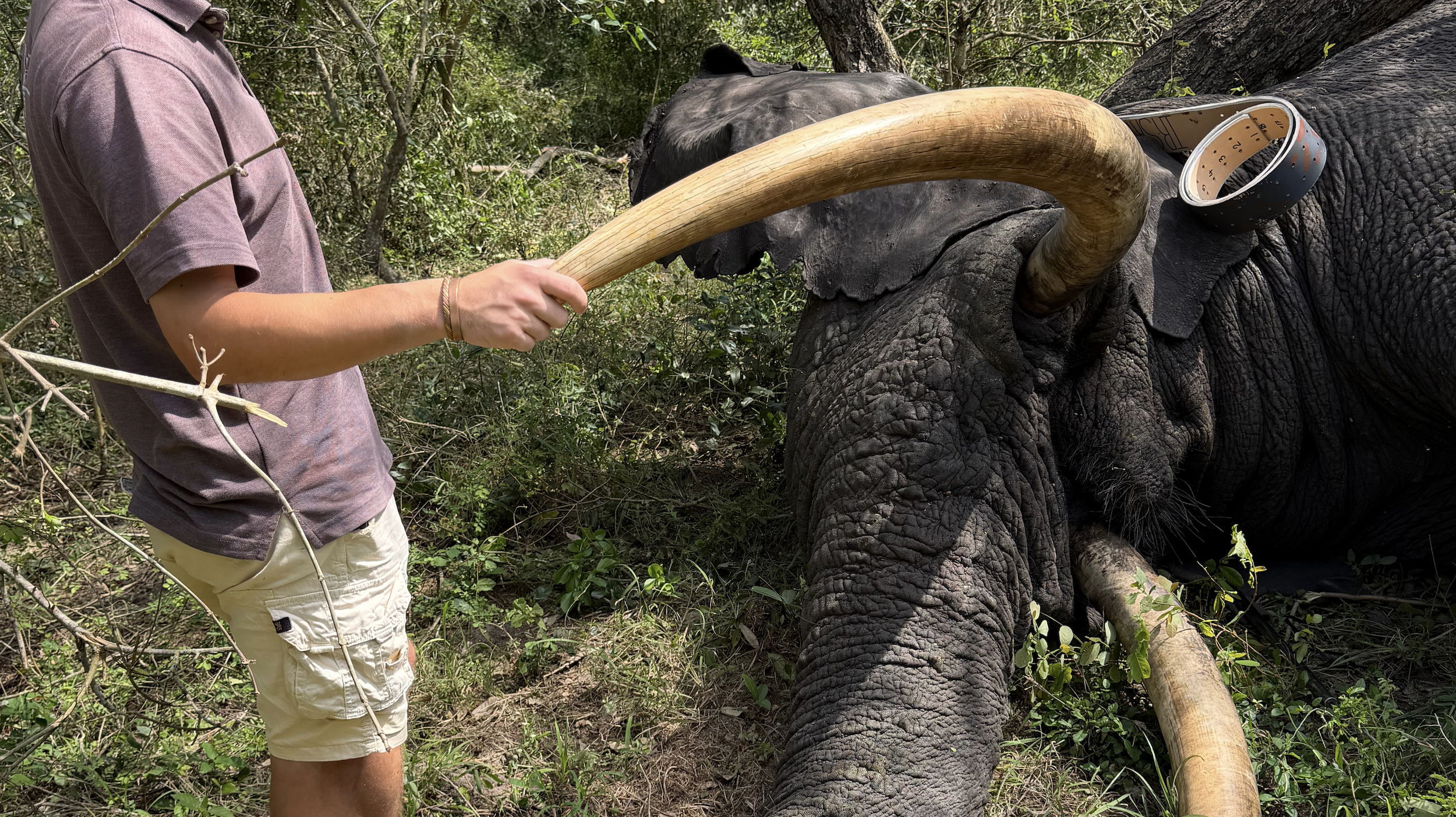
Callan Meyer with an elephant bull, darted and sedated for collaring.
Their elephant collaring programme is a perfect example.
By fitting elephants with satellite collars, teams can track their movements across the landscape and understand how those movements overlap with communities and agricultural areas. That information can help identify conflict hotspots, anticipate problems and develop better strategies for protecting both people and elephants.
During our time in Maputo National Park, I had the opportunity to see this kind of conservation science in action.
It changes the way you look at the landscape. An elephant is no longer simply an animal you are watching from a vehicle. Its movements become data. Its behaviour becomes information. And that information can ultimately help determine how people and wildlife share the same landscape.
Buffalo Disease Testing and Wildlife Veterinary Research
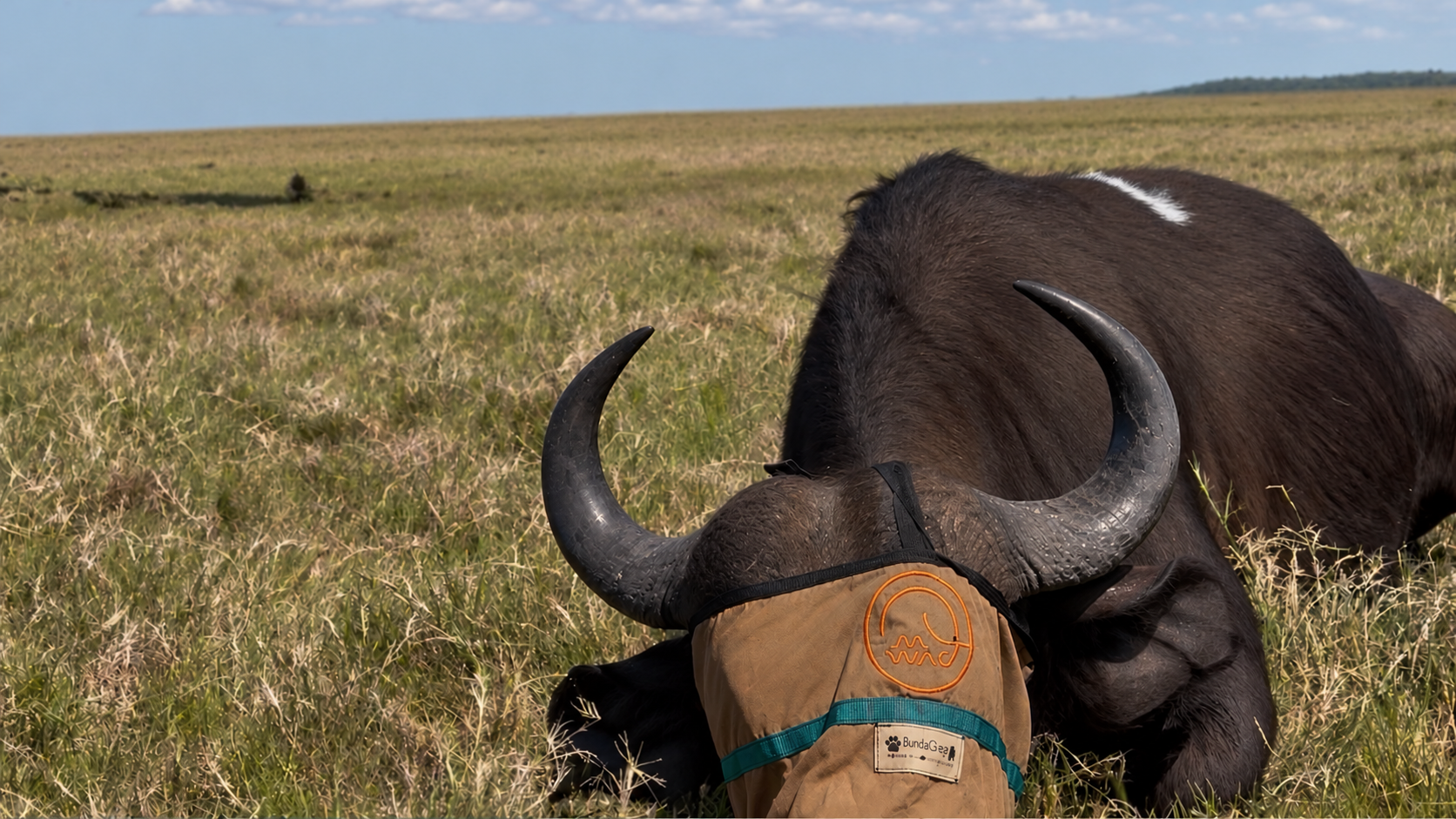
Behind the scenes of buffalo disease testing in Maputo National Park, where veterinary teams collect valuable data on wildlife health and disease within the ecosystem
Our expedition also involved a large amount of buffalo disease testing, including Foot-and-Mouth Disease, Bovine Tuberculosis and Anthrax. Some of these were among the first samples collected from buffalo in the park, providing valuable data for the reserve teams and helping build a better understanding of disease within the ecosystem.
Ultimately, what I found most inspiring about MWA was how practical their conservation philosophy feels: Support. Connect. Act.
And for me, that is exactly what makes Maputo National Park such an exciting destination for a conservation-focused expedition. You are not simply seeing wild Africa. You are stepping behind the scenes and getting to understand the people, science, challenges and conservation work helping to protect it.
Ivan Carter Wildlife Conservation Alliance
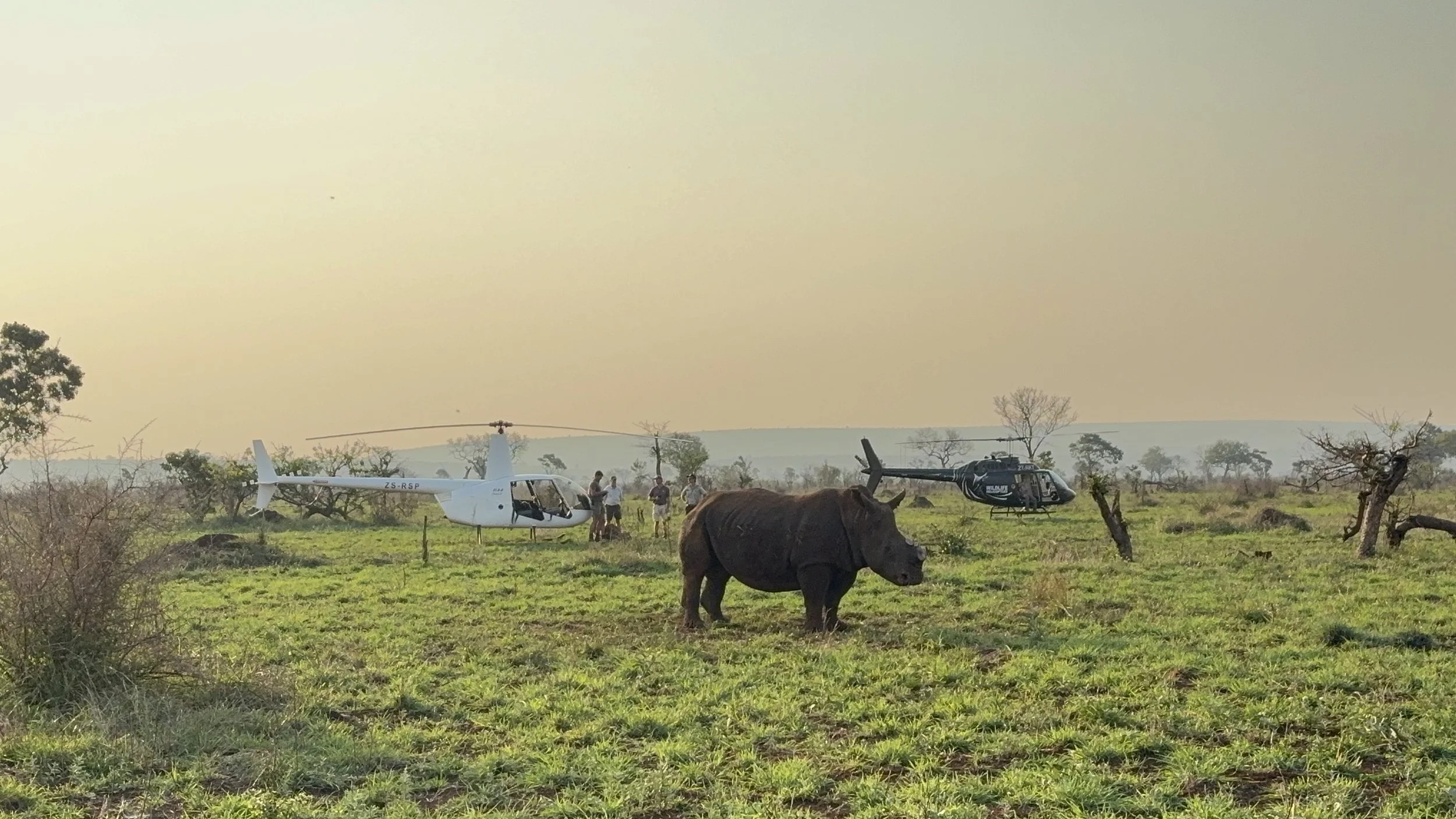
Field-based conservation interventions bring veterinary science, wildlife management and human–wildlife coexistence together.
Working alongside MWA was the Ivan Carter Wildlife Conservation Alliance. The Alliance was established by conservationist and wildlife filmmaker Ivan Carter, who has spent decades working as a guide, conservationist and storyteller across Africa.
Through his work, Ivan encountered many people working quietly on the front lines of conservation — often without the resources or international exposure their work deserved. The Alliance was created to help change that.
Rather than trying to do everything itself, ICWCA focuses on supporting experienced people and organisations already doing the work on the ground. Its objective is simple: more wildlife and healthier ecosystems.
Its projects include wildlife translocations, elephant collaring, rhino dehorning, wildlife rescues and other high-impact interventions.
The partnership between ICWCA and MWA in Mozambique is a great example of this approach. The two organisations have worked together on elephant conservation and human-wildlife conflict, including collaring operations, veterinary costs and logistical support.
One of the most significant examples was the 2021 translocation of approximately 45 elephants from the Matutuíne landscape to Zinave National Park, where they could contribute to the restoration of the park's elephant population.
It demonstrates an important conservation philosophy: sometimes the solution isn't simply to protect an animal. Sometimes you need to change the circumstances around that animal so that both wildlife and people have a better chance of succeeding. That is what made our time in Mozambique so interesting.
We weren't simply visiting a national park. We were stepping into a landscape where wildlife management, veterinary science, community development, research and tourism all intersect.
Marine Conservation in Mozambique: And Then There Was the Ocean…
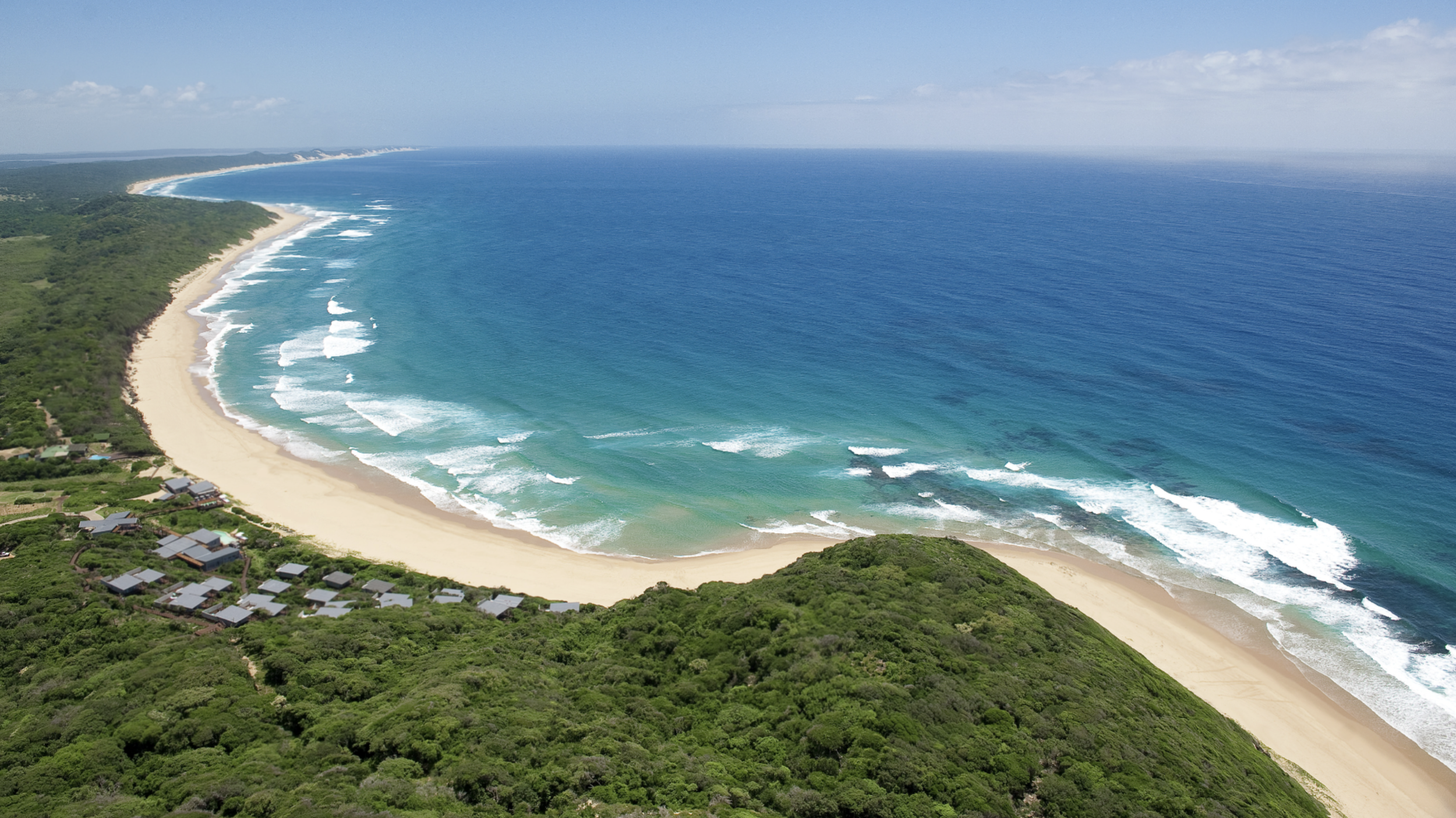
Mozambique’s coastline, where humpback-whale research can help inform their long-term protection.
One of the most exciting opportunities for Honeyguide is the potential to expand the marine conservation work taking place around Colina Verde, particularly through collaboration with the Wildlife Conservation Society and their humpback whale research programme.
Humpback Whale Research: A Potential Future Collaboration
One of the projects involves satellite tagging humpback whales along the Mozambican coastline. These tags allow researchers to follow individual whales and better understand the routes they take through Mozambican and East African waters and towards the Southern Ocean.
There is still so much we don't know about these animals. Understanding their movements, population distribution and overlap with human activities such as shipping can ultimately help inform practical conservation measures, including ways to reduce vessel strikes and underwater noise during important breeding and nursing periods.
For us, this is where conservation tourism becomes particularly exciting. The opportunity isn't simply to watch these incredible animals passing along the coastline. In future, subject to research partnerships and appropriate permissions, it could mean getting closer to the research helping us understand them and, ultimately, contribute to protecting them.
And this is only the beginning.
Acoustic Tagging and Existing Marine Research
The marine conservation work at Colina Verde is already underway, with acoustic tagging being used to monitor a variety of marine species.
Unlike satellite tags, acoustic tags allow researchers to understand how individual fish use a particular marine environment — where they move, how long they remain in an area and how they interact with protected habitats.
Species being monitored include king mackerel, or couta, queenfish, other kingfish species, several shark species and a variety of other pelagic game fish.
The scale of the surrounding conservation landscape makes this even more exciting. The marine component of Maputo National Park protects approximately 678 km² of marine habitat, while the wider conservation landscape connects important coastal and marine ecosystems across Mozambique and South Africa.
Connecting Turtle Conservation Across Borders
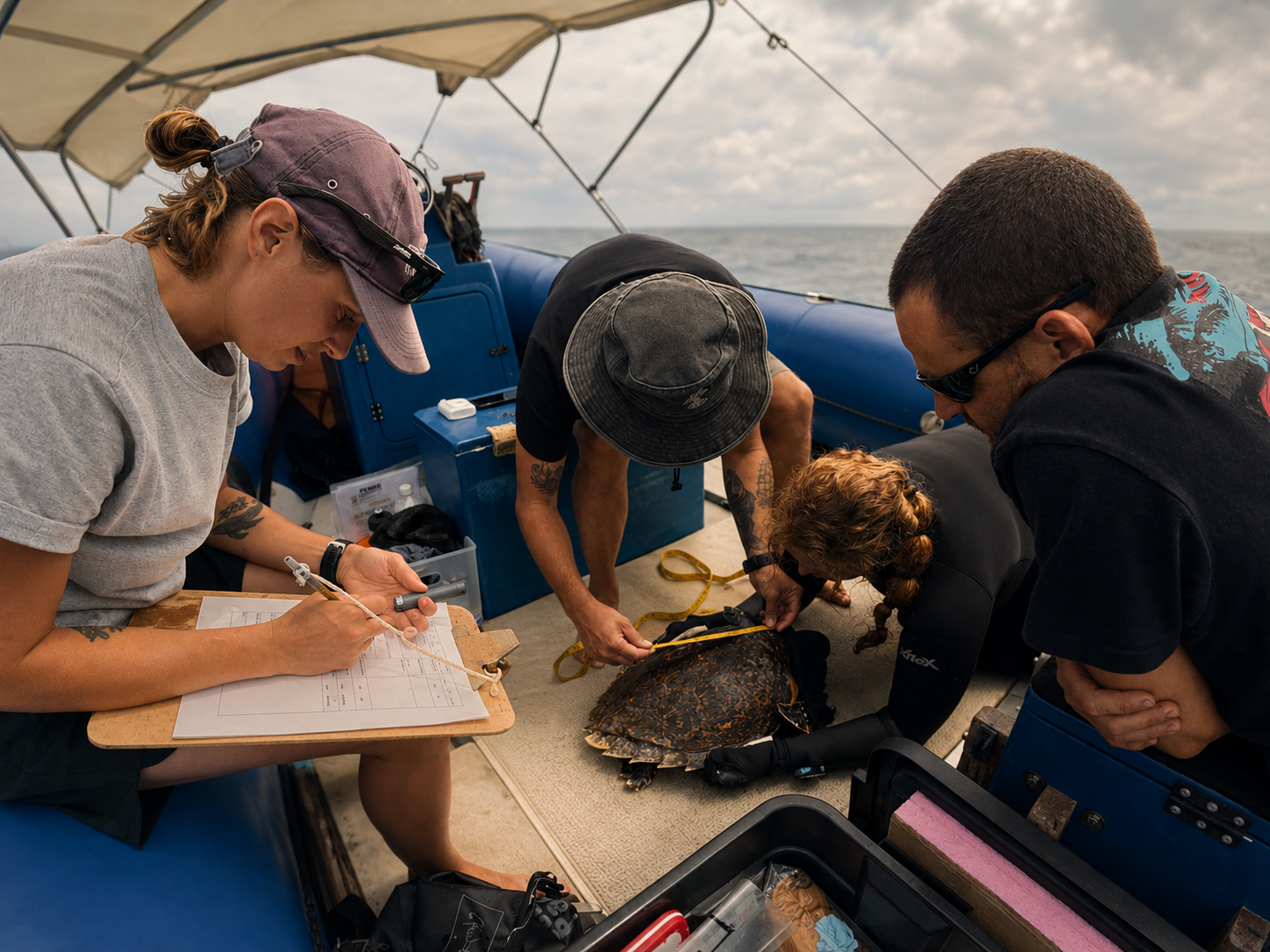
Green turtle (Chelonia mydas). Image: Natalie Dos Santos
Honeyguide is already involved in turtle tagging projects along the southern coast of South Africa, and the opportunity to link this work with projects further north is incredibly exciting.
As turtles move between countries, combining datasets can help researchers better understand their movements, migration routes and the habitats they rely on.
This means the same coastline where guests can surf, fish, dive and experience incredible marine wildlife can also become a living laboratory for conservation research.
That combination of adventure, science and meaningful conservation is exactly what we want to continue developing at Colina Verde.
A Very Different Kind of Safari: Conservation Beyond the Game Drive
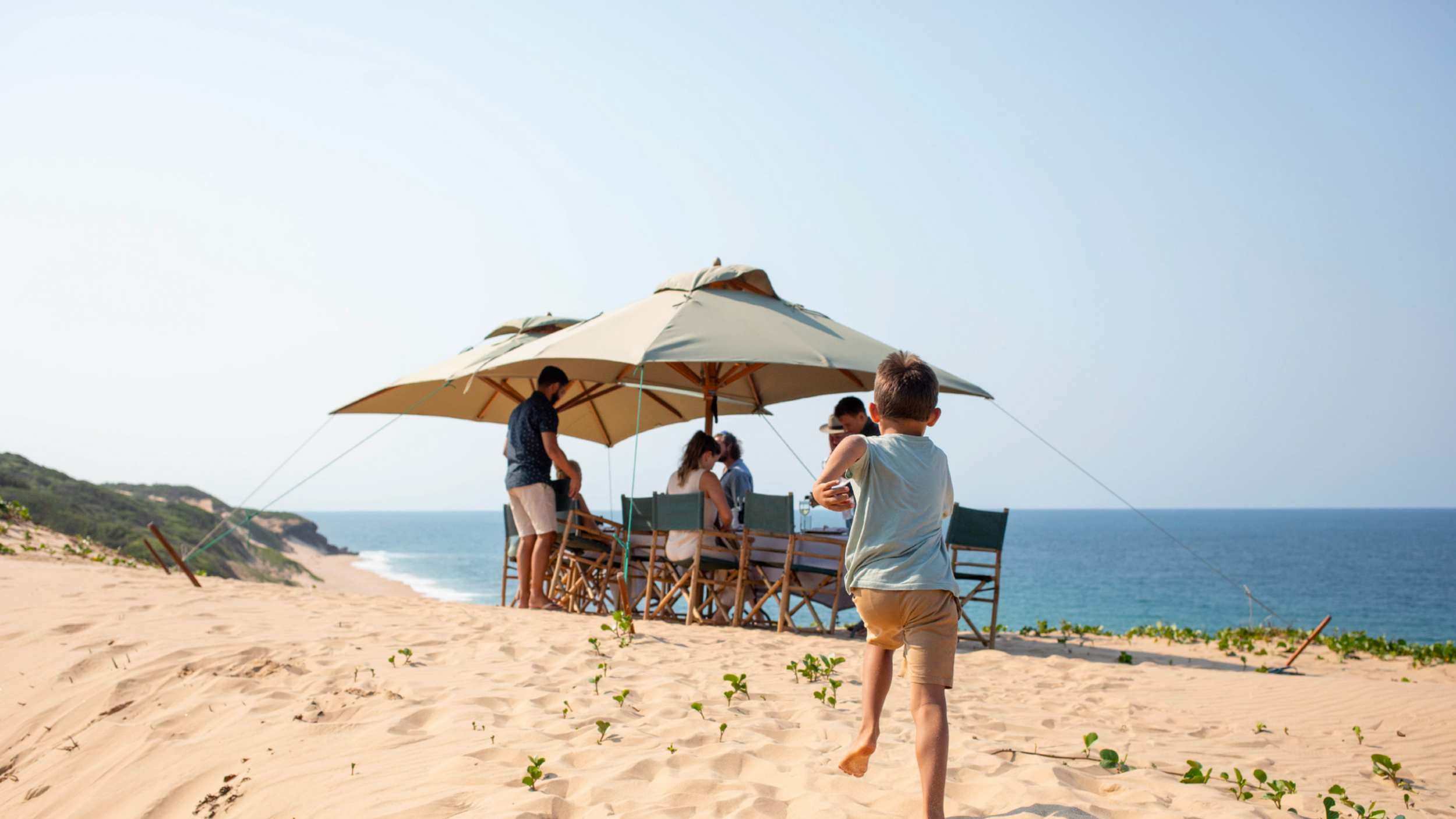
From wildlife veterinary work to ocean adventures, the expedition brought conservation and coastal life together.
Needless to say, I felt like a kid in a candy store. The sheer diversity of experiences over nine days was almost impossible to comprehend.
One moment we were surfing clean, peachy point breaks over pristine coral reefs. Next, we were enjoying a long beachside lunch with incredible seafood, good wine and even better company.
There were helicopter flights over vast mangrove systems, hands-on buffalo disease work and, a few hours later, finding ourselves on the border of Kruger National Park working alongside a veterinary team during a white rhino dehorning operation.
Throw in spectacular sunsets, wild coastlines, world-class food and a few unforgettable evenings around the dinner table, and I honestly don't think it gets much better than this.
If there is one thing I would take away from this experience, it is that this is a very different kind of safari.
Yes, there are incredible landscapes, wild coastlines, beautiful lodges, exceptional food and wine, and the opportunity to experience Africa from the sky in a helicopter.
But at the heart of it all is something much deeper: Conservation in action.
From flying over vast mangrove systems and tracking wildlife from the air, to getting your hands dirty with buffalo disease work, rhino dehorning, marine research and community conservation, this is an opportunity to experience Africa from a completely different perspective.
For anyone looking to go beyond the traditional safari, I genuinely think this is something you should give a go.
Come for the landscapes, the wildlife, the ocean and the adventure — but leave knowing you have been part of something that is actively working to protect it. This is the kind of safari we want Honeyguide to create:
Wild. Adventurous. Deeply immersive. And with hard conservation work at the forefront of it all.
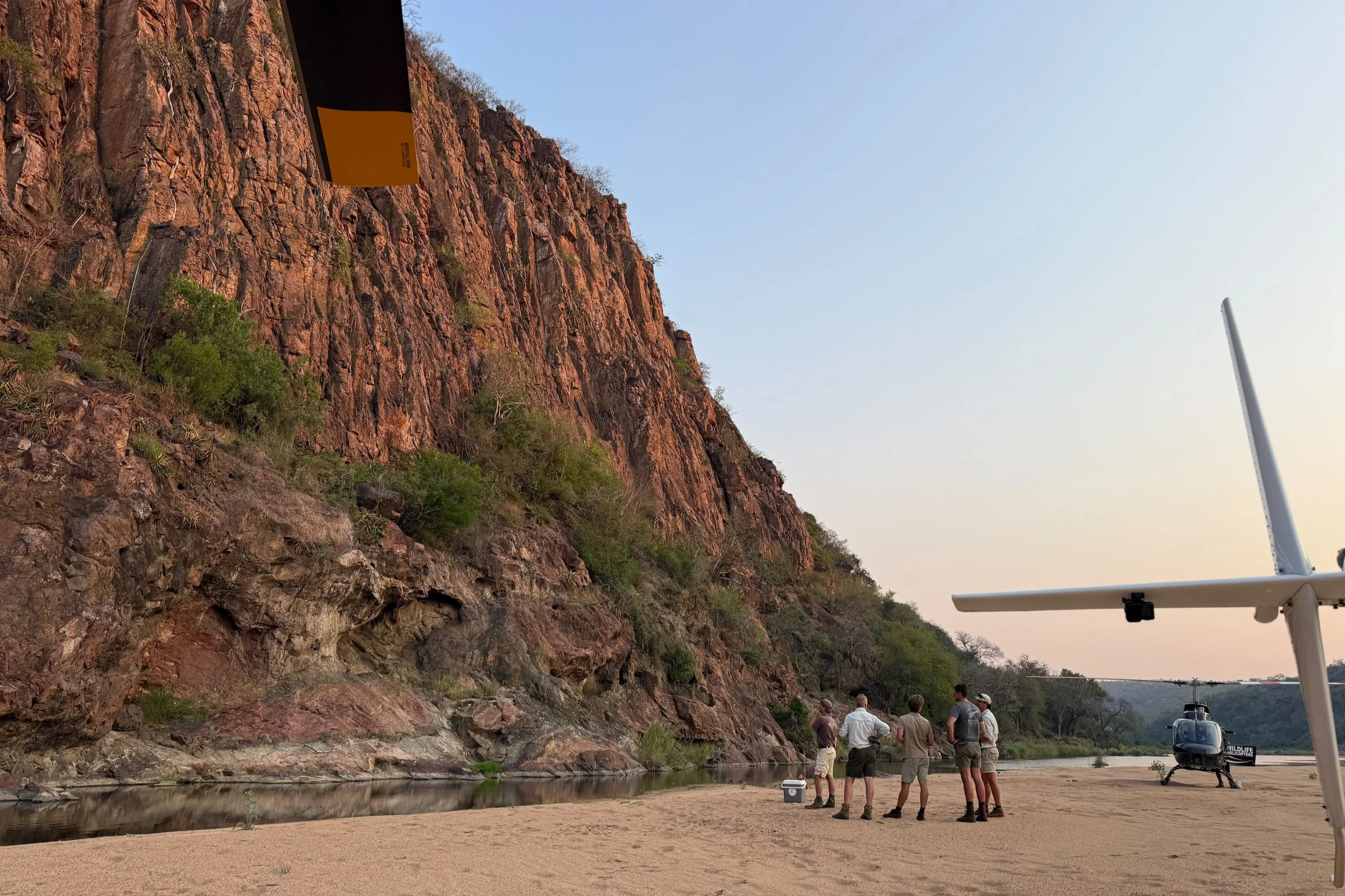
Field-based conservation interventions bring veterinary science, wildlife management and human–wildlife coexistence together.
Go Beyond the Traditional Safari
Discover a different side of Africa through privately hosted, conservation-led journeys designed around your interests. From specialist field experiences to marine research and extraordinary wilderness, Honey Guide creates opportunities to understand conservation where it happens.
*Activities depend on the expedition, partner availability and relevant permissions.
