Explore Our Experiences
Tagging
Honey Guide is currently looking for a pioneer group to join us for the first edition of our shark tagging exper-ience in South Africa. This rare, once-off opportunity will be offered at cost price as we collaborate with marine scientists to refine the full experience for future guests. This is your chance to take part in an ex-clusive pilot project, where your contribution directly supports shark monitoring, species protection, and the development of a new conser-vation offering at Honey Guide.
Shark
Step Into the Mission
This trip aims to highlight South Africa’s magnificent ecosystems and the keystone species that sustain it. This experience blends days on the water with marine biologists, hands-on tagging operations, and a deep dive into the ecology of migratory sharks. Paired with coastal luxury, wine farms, and time spent in pristine marine environments, this trip offers an unforget-table look at the species, seascapes, and people working to protect them.
-
Rates are tailored according to your selected accommodation and season.
-
The base package includes 5–6 nights. Enquire for options on shorter or extended stays.
-
Summer months: November to February (Cape Winelands)
Winter months: June/July (Wild Coast)
-
Group size 6pax. maximum. Enquire about smaller bookings.
ADVENTURE AWAITS…
Work alongside South Africa’s leading marine researchers as you venture out to tag migratory shark species, gaining rare hands-on experience in ocean conservation.
Participate in intimate educational sessions where scientists unpack shark behaviour, ecology and the growing pressures these apex predators face in a rapidly changing world.
Spend slow, sun-drenched days on some of South Africa’s most celebrated wine farms, tasting award-winning vintages and learning the stories behind the vineyards.
Stay in a curated mix of luxury coastal villas and secluded homestays
Join coastal botanists for guided walks through unique dune and shoreline ecosystems, discovering plant species found nowhere else on Earth and understanding their role in marine health.
Trace humanity’s origins along the coast with archaeologists who reveal ancient shoreline sites and the deep story of our earliest ancestors.
End each day with slow, meaningful connection: sunsets over the sea, thoughtfully paired wines, and moments to disconnect—and reconnect—with the natural world truly.
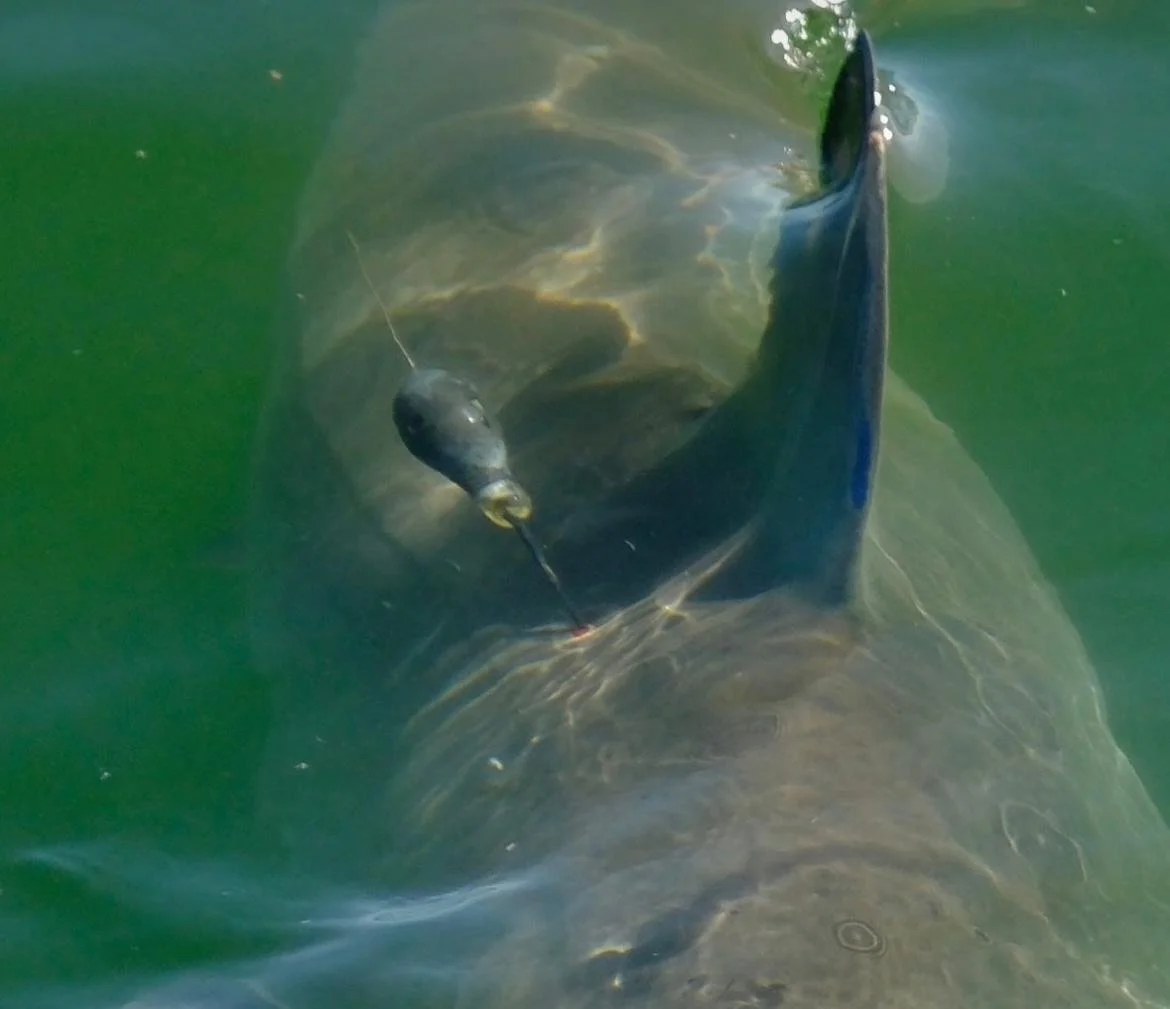
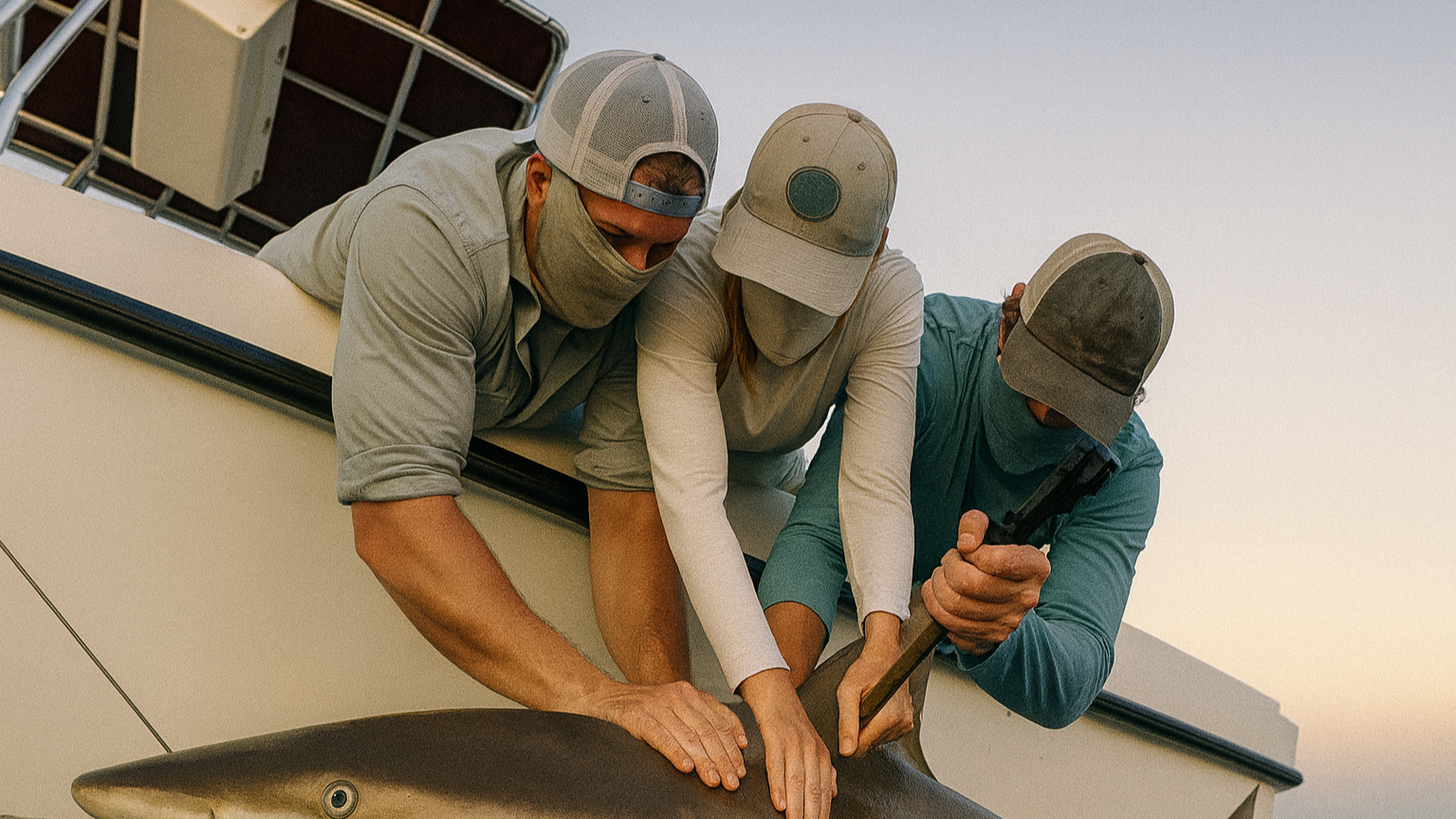
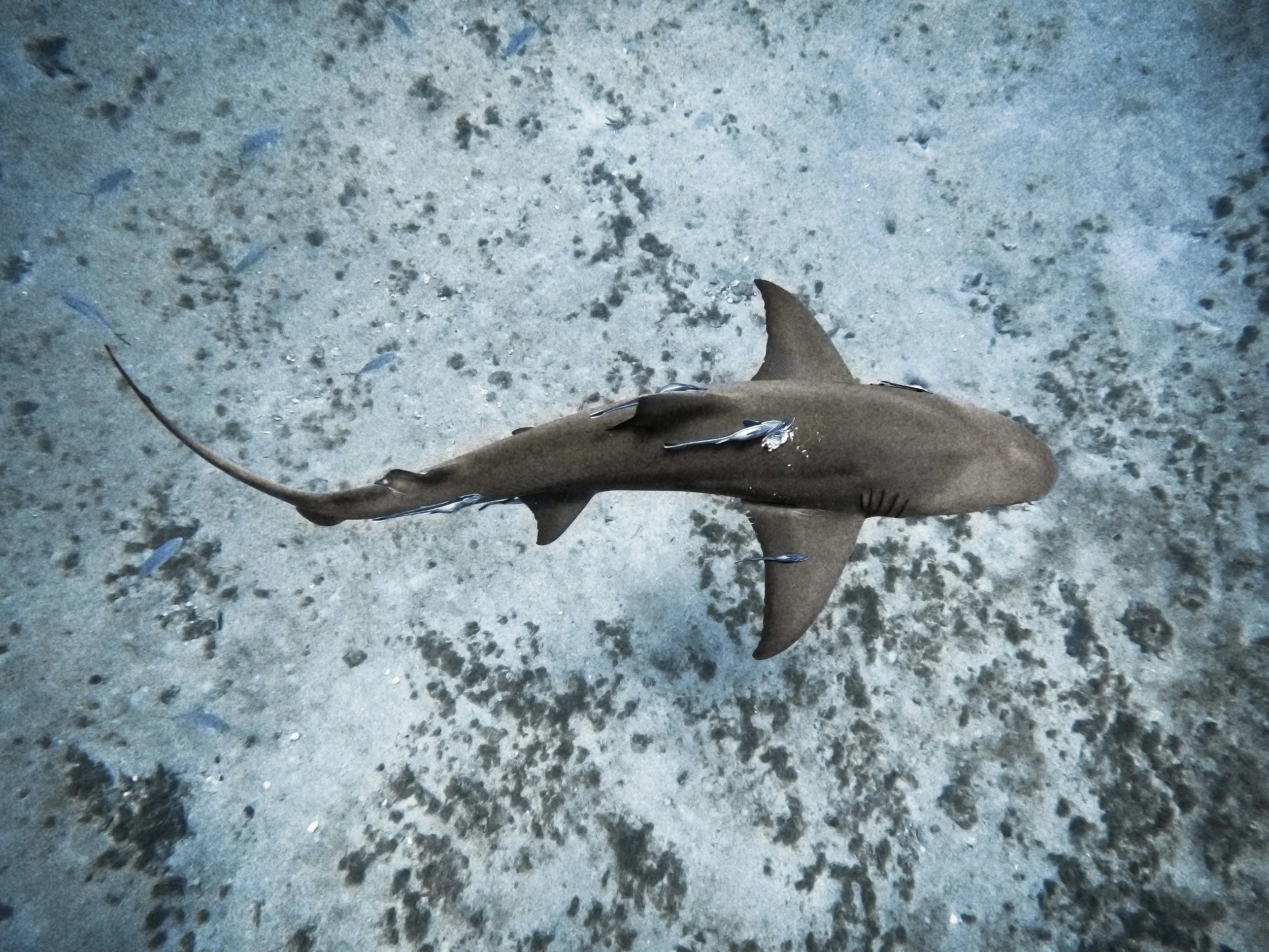
Shark fitted with a satellite tag.
Private accommodation in handpicked eco-lodges
Daily field excursions and expert guided experiences
All meals and beverages
Airport transfers and local transport
Wine Tastings
What's Included?
All flights
Travel insurance
Visas and vaccination requirements
Personal purchases and gratuities
What's NOT?

YOUR JOURNEY
We curate our experiences entirely around your groups interests and the experiences you want to have. You can be as involved as you want in the planning of your trip, or leave it to us to surprise you. We can bring in specialist guides, photographers, or researchers.
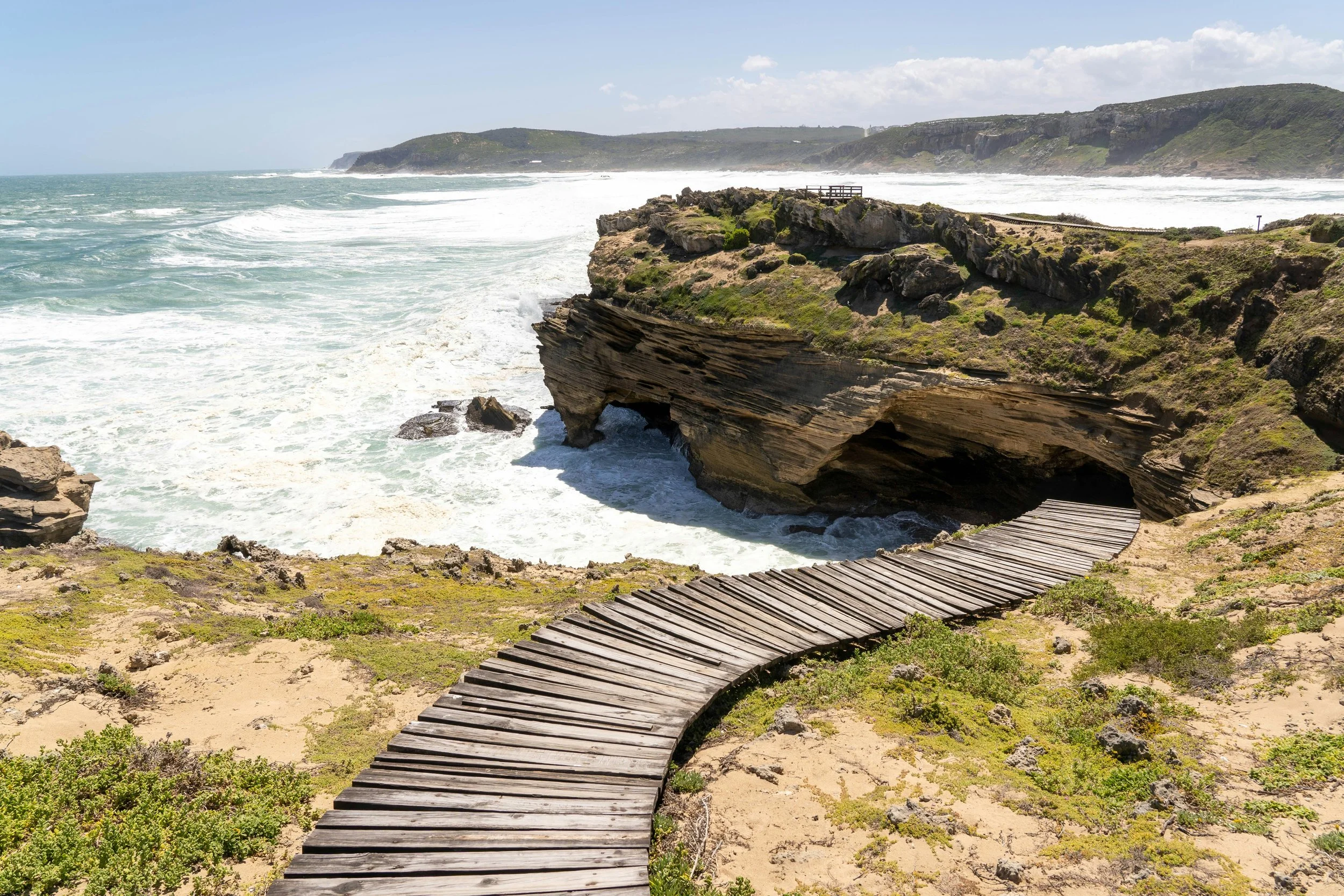
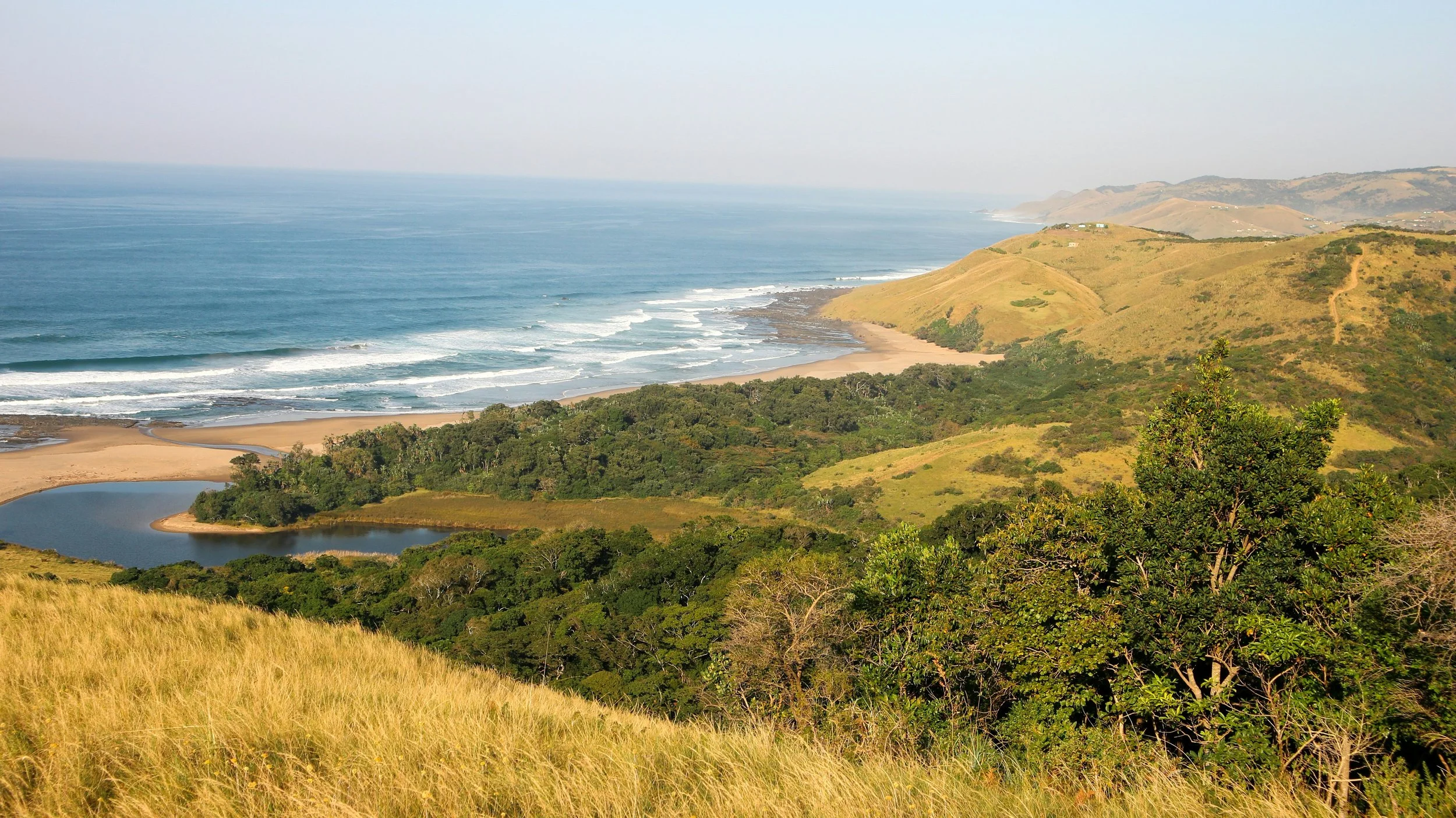
This Honey Guide experience takes place along South Africa’s stunning eastern coastline. During the winter months, pelagic sharks congregate along the Wild Coast in the Eastern Cape, coinciding with the world-famous Sardine Run, a spectacular natural event where millions of sardines migrate northwards along the coast, attracting huge numbers of predators including sharks, dolphins, and seabirds.
In the summer months, sharks gather around the Cape region, particularly in Gansbaai, known as one of the best places in the world to encounter sharks in their natural environment. This seasonal variation ensures an extraordinary wildlife experience, offering unique opportunities to observe these apex predators in different coastal ecosystems.
Exclusive Lodging
We work exclusively with private villas — no shared spaces or tourist crowds. Together, we’ll choose a property that suits your preferences and group size. Each lodge is fully staffed, offering complete privacy, comfort, and a seamless experience from start to finish.
We take our food seriously. Expect a modernised take on South African classics, prepared by private chefs, and tailored to your dietary needs and preferences. Enjoy a curated wine list from exceptional South African estates, craft cocktails, and slow, fireside evenings.
WHY WE SUPPORT Shark tagging
Sharks are often misunderstood and underrepresented in conservation, yet they are critical for the health of marine ecosystems. Globally, shark and ray populations have declined by over 70% since 1970, with tens of millions killed each year, and many species are now under severe threat.
Despite their importance as apex predators, scientific understanding of their movements and behaviours remains extremely limited, and research funding is scarce. Satellite tagging is one of the most effective ways to fill these knowledge gaps. Because sharks travel vast coastlines and offshore routes, meaningful conservation impact requires tagging enough individuals to reveal patterns in migration and habitat use.
Satellite tags record more than location—they capture depth, temperature & ocean-current data, helping scientists understand how sharks use their environment and how changing conditions may affect them. Each deployment is a costly, technical operation requiring skilled researchers, specialised equipment, and long-term monitoring. Funds from your trip directly support the tagging of individual sharks, contributing to collaborative research that strengthens species protection and helps safeguard the future of migratory sharks.
Organisations WHO MAKE THIS POSSIBLE
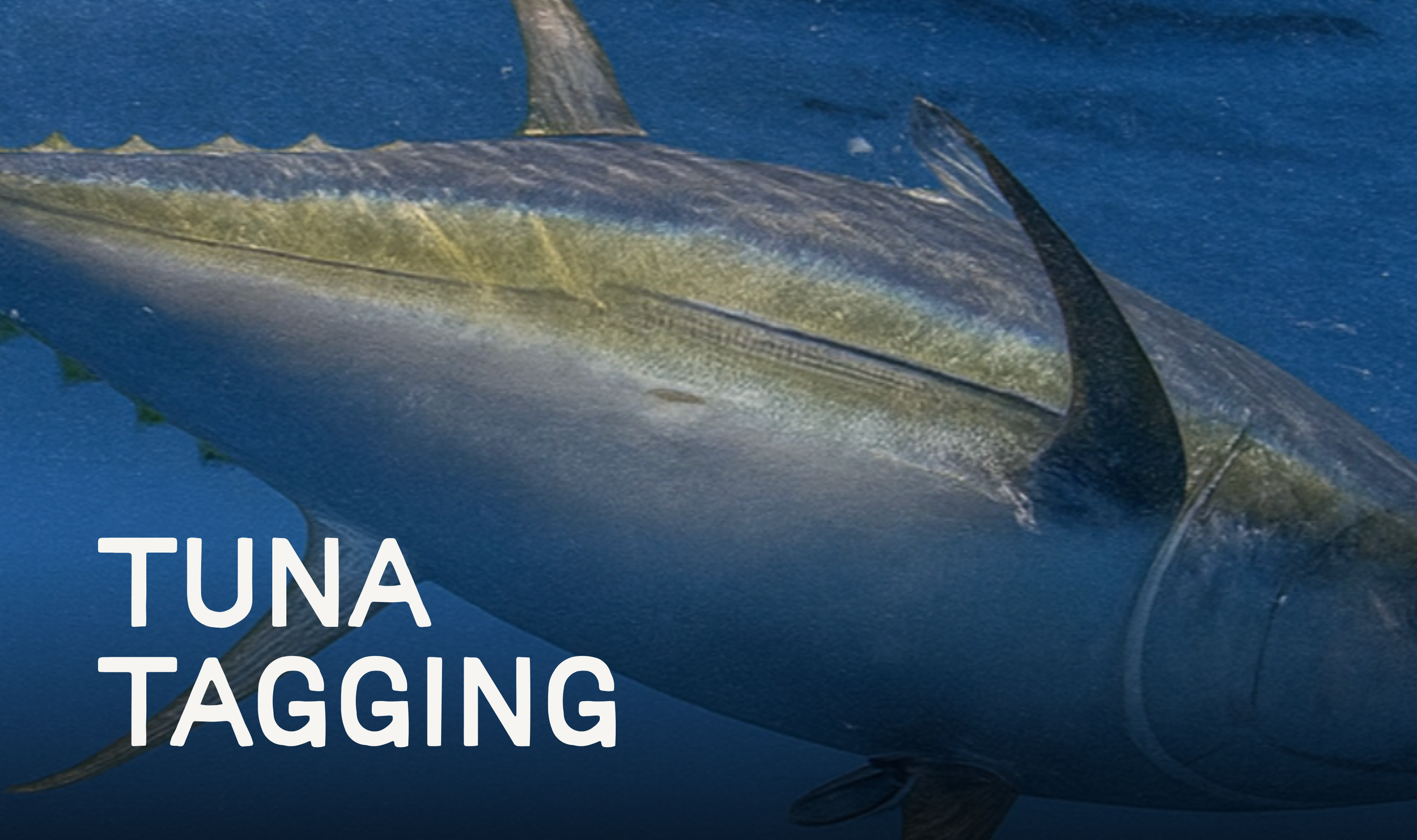
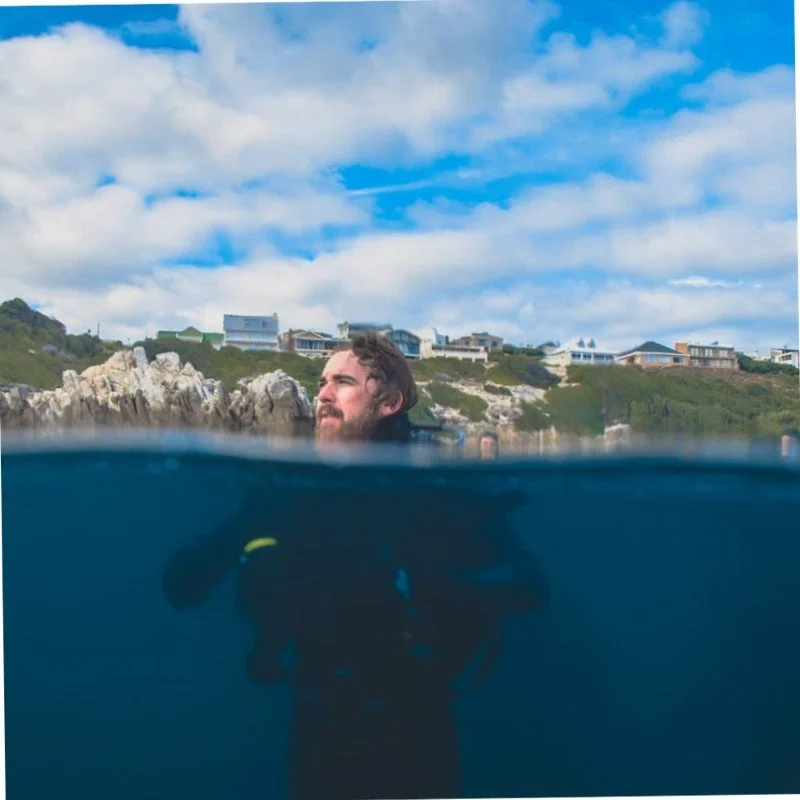
Toby Rodgers, a leading researcher with Shark Spotters, is central to making our shark and tuna tagging experiences possible. His work focuses on tracking the movement, behaviour, and ecology of South Africa’s migratory shark species, providing the scientific foundation for these operations. Toby’s expertise ensures each tagging expedition is conducted safely, ethically, and with meaningful conservation value. His guidance gives guests rare insight into the world of marine research and the critical role these species play in South Africa’s ocean ecosystems.