Real World Impact
Studying the Other half of the Population
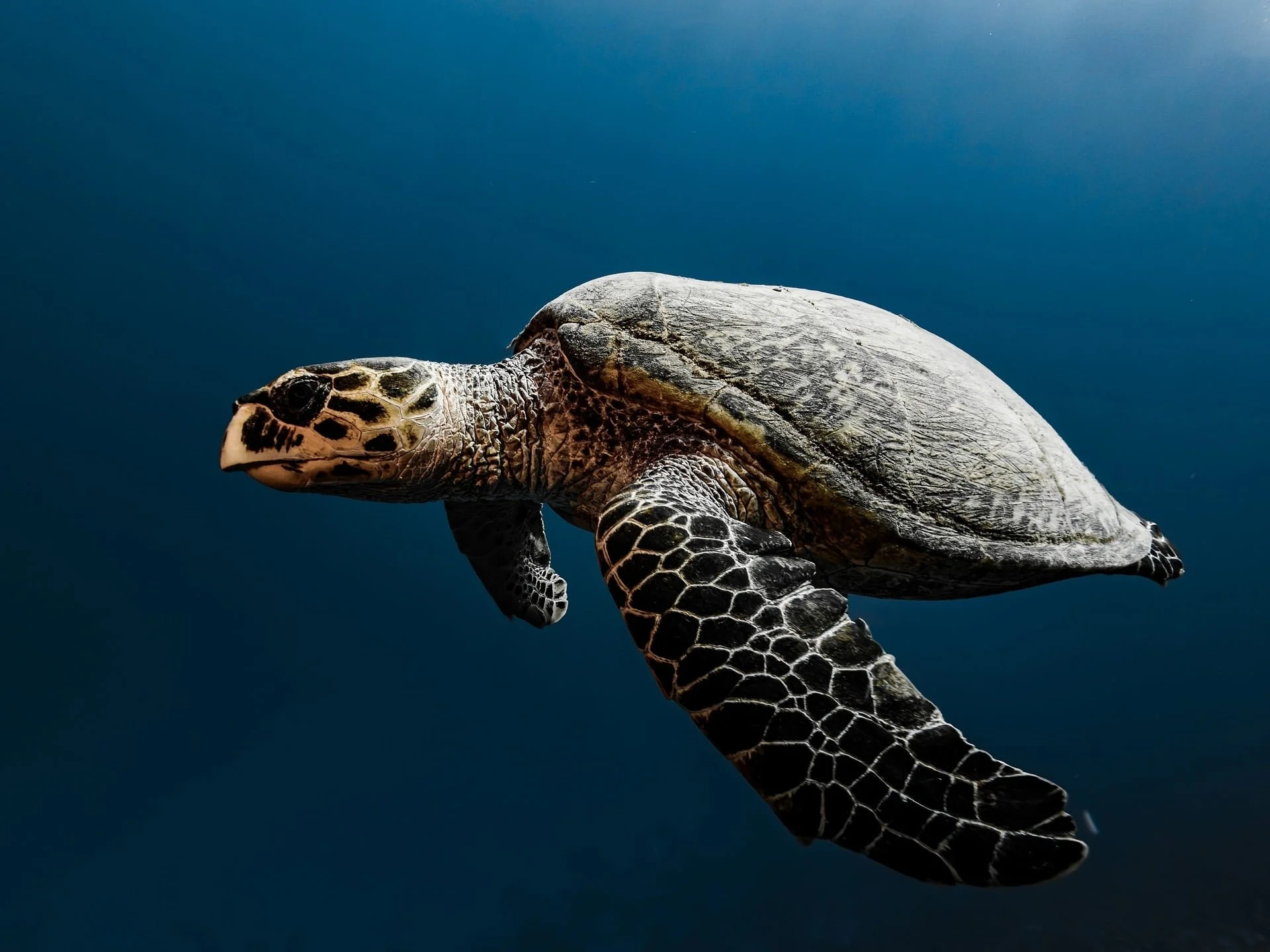
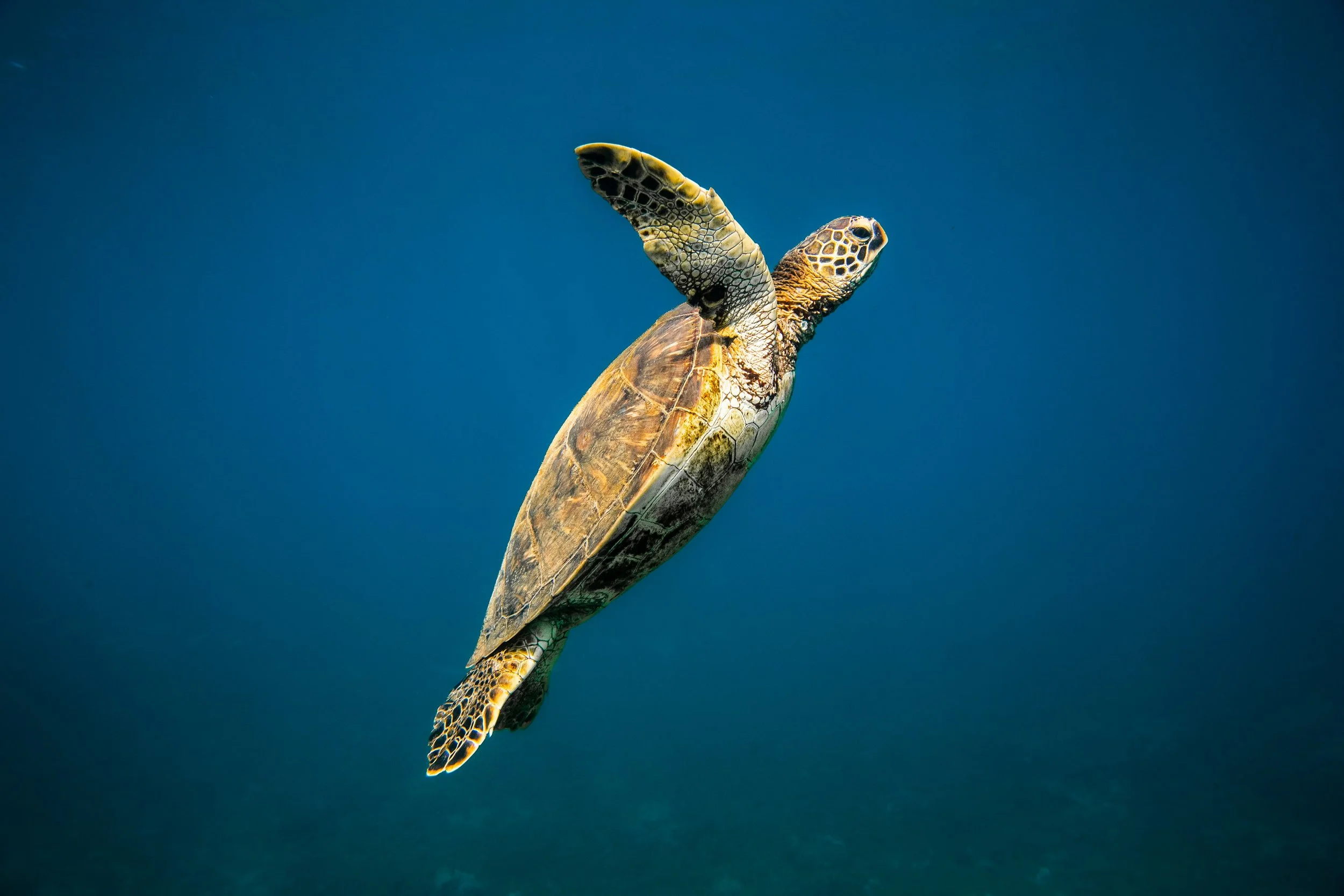
South Africa supports approximately 75–80% of the Southwest Indian Ocean's loggerhead and leatherback nesting populations. Yet the lives of turtles in the water remain comparatively poorly understood. Each expedition represents a commitment to keep the research moving forward, filling critical gaps in what we know and helping ensure these ancient animals continue to have a place in our oceans.
We have been studying only part of the population…
South Africa has one of the world’s longest-running sea turtle monitoring programmes, with loggerhead and leatherback nesting monitored along the Maputaland coastline since the 1960s.
That work has given researchers decades of valuable information, but much of what we know about sea turtles has historically come from nesting females. The reason is simple: females come ashore to nest, making them accessible to researchers. Males and juveniles rarely do.
This leaves important gaps in our understanding of how the wider population moves, feeds and uses South Africa’s coastline.
We are working to change that.
Beneath the surface
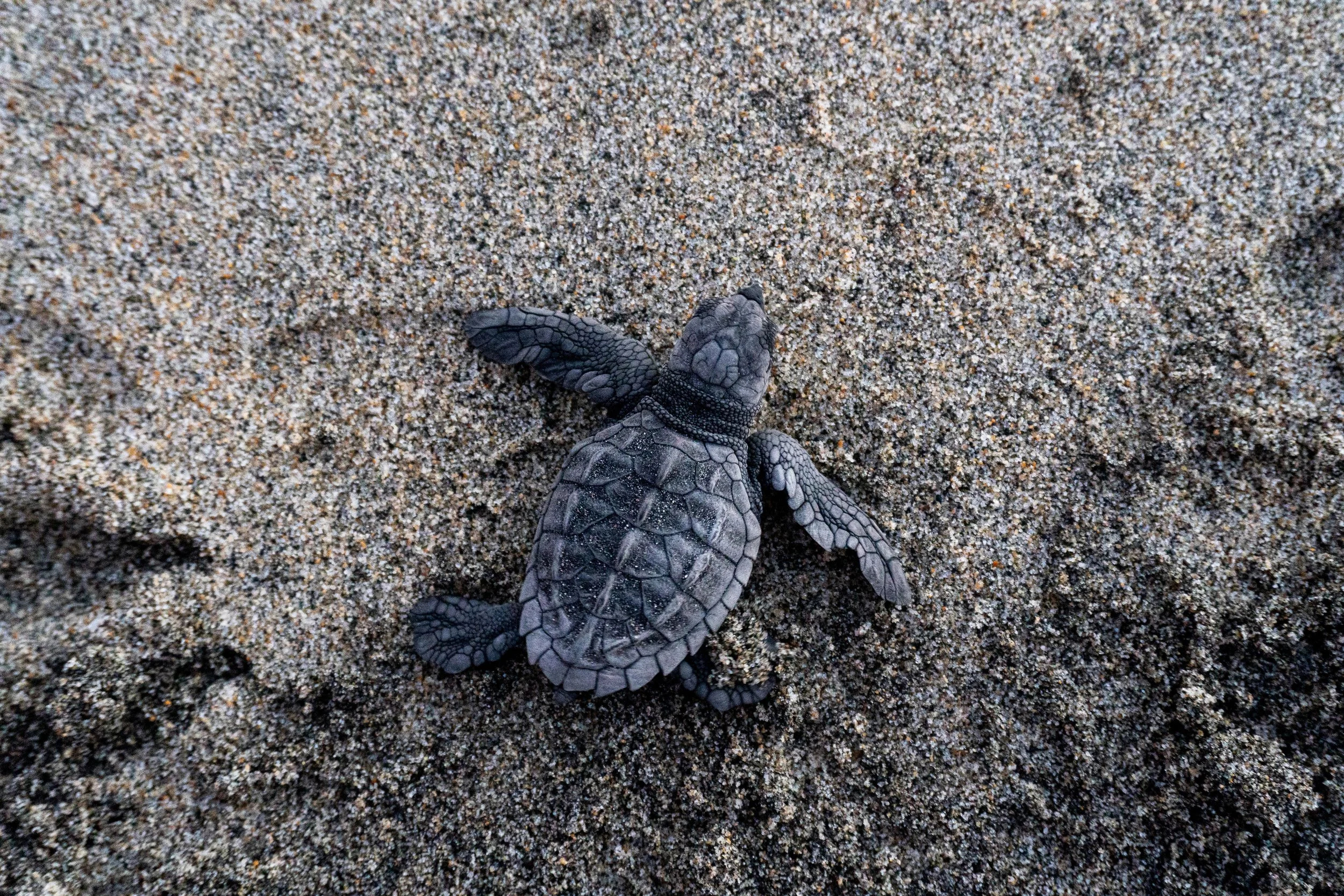
Natalie’s research recorded 1,024 sea turtle sightings along South Africa’s east coast.
Between 2020 and 2022, Natalie dos Santos and her research collaborators conducted the first study to estimate the relative abundance, demographics and distribution of sea turtles within the Aliwal Shoal and iSimangaliso Marine Protected Areas.
Natalie’s research
TAKING THE RESEARCH BENEATH THE SURFACE
Protecting turtles effectively requires an understanding of how they actually use the ocean.
Where do they feed? How long do they stay? Which reefs do they return to? Do males and females use the same areas? Where do juveniles go as they mature?
By answering questions like these, Natalie's research provides the first estimates of turtle abundance, demographics, and distribution across two of South Africa's most important east-coast Marine Protected Areas.
Sea turtle sightings along South Africa’s east coast
REAL WORLD Impact
More time at sea. More tags. More data.
Field research requires boats, equipment, specialist teams and, importantly, time on the water.
Honey Guide’s partnership with Natalie was created to help extend the reach of her research. By building carefully managed guest expeditions around active fieldwork, we can direct funding back into the work itself, supporting additional research days and acoustic tags.
For Natalie, that means greater capacity to collect data. For us, it means conservation travel can contribute to work that was already happening and help it continue.
1,024
Turtle sightings
Individual turtles photo-identified
222
Hours of timed research surveys
264,3